For homeowners
We handle basement seeps, sump pump failures, and burst pipes in Wilmington homes. You get a dry structure and a sealed entry point.
- Basement wall seep after rain
- Sump pump stops running
- Pipe bursts in winter
Foundation Water Intrusion Restoration Wilmington DE is the trade we have practiced across New Castle County for years. When water pushes through your basement wall, sump pit, or floor seam, we extract it, dry the structure, and seal the source. Homeowners in 19802, 19806, and 19809 call us after heavy rain, sump pump failure, or a plumbing leak they didn't catch. We show up, find the entry point, and fix it.
 Trace the leakExtract standing waterSeal the entry
Every foundation water intrusion job starts with inspection and ends with a dry, sealed structure. Here is what is covered in a standard scope. If your job needs mold remediation or a plumbing repair, we tell you before we start and price it separately.
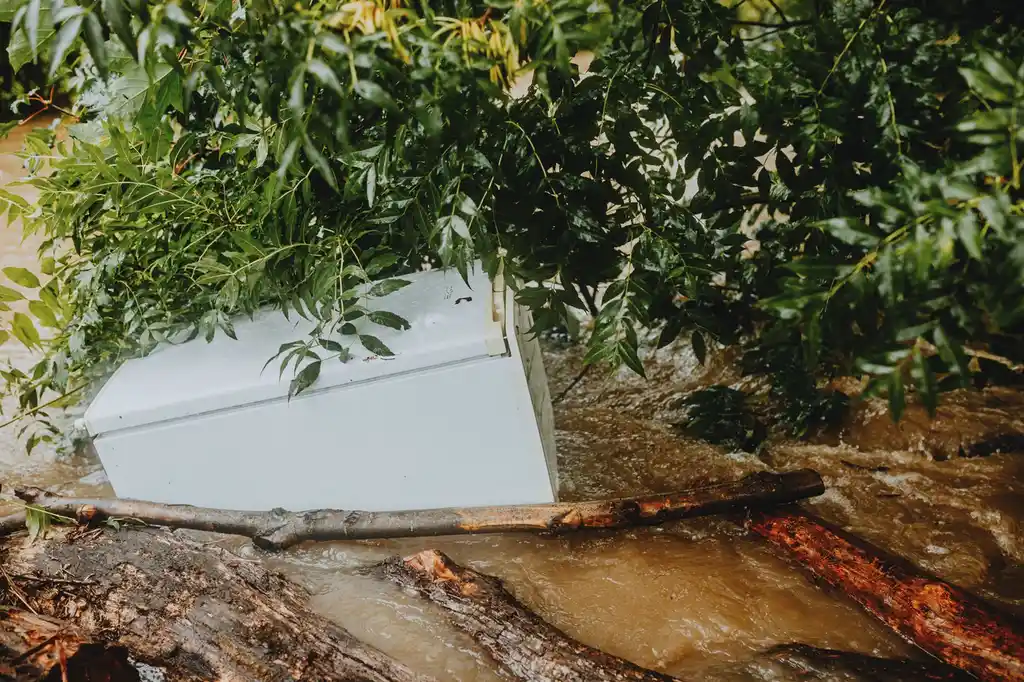
We use a thermal imaging camera, boroscope camera, hygrometer, and moisture meter to find every wet zone. You get a clear picture of how far the water traveled before we quote the dry-out.
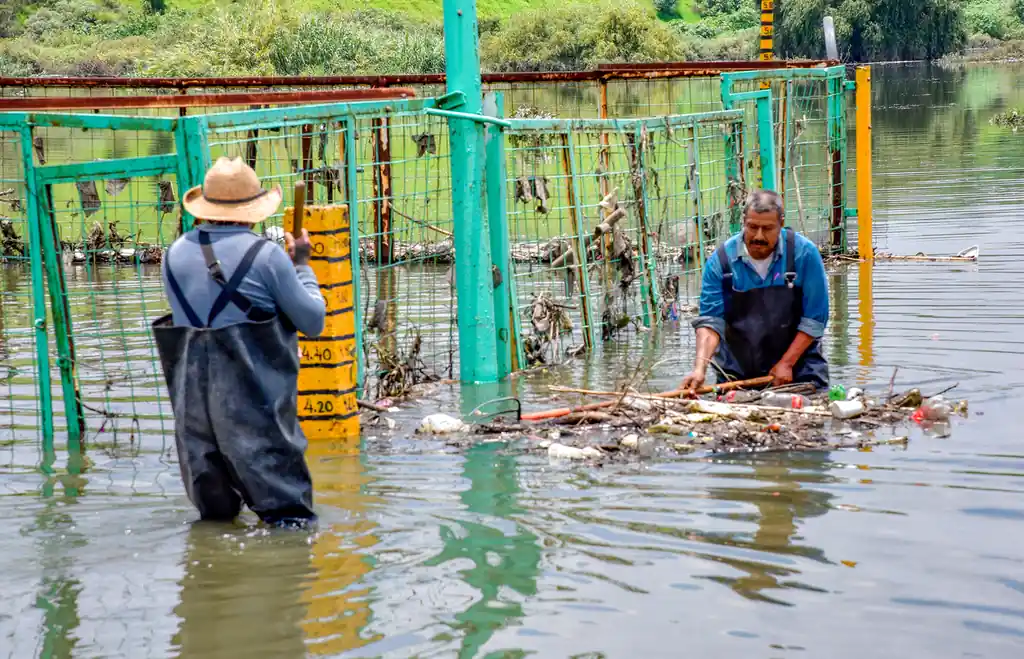
We pull standing water with a water extraction unit and wet/dry vacuum. Extraction comes first so the drying equipment can work on the structure instead of a pool of water.
We set Dri-Eaz and Phoenix Restoration Equipment dehumidifiers with air movers to dry wall cavities, subfloors, and framing. We check readings daily with a moisture meter until the structure is dry.
We seal entry points with hydraulic cement or a waterproof membrane. If the sump pump liner failed, we replace it. Stopping the water source is what prevents the leak from returning next storm.
We treat affected surfaces and control humidity to stop mold growth. If mold is already present, we handle remediation with IICRC AMRT protocols and EPA Lead-Safe practices.
You get final moisture readings and photos of the dry structure. We also walk you through maintenance like testing your sump pump and clearing downspouts before the next heavy rain.
The approach is the same for a home and a business. What changes is the access, the schedule and who needs the paperwork.
We handle basement seeps, sump pump failures, and burst pipes in Wilmington homes. You get a dry structure and a sealed entry point.
We work in Wilmington shops, offices, and rental properties with foundation intrusion. We schedule around your hours and document everything.
A plain-language look at what Foundation Water Intrusion Restoration involves and when it is needed.
See how it worksFoundation Water Intrusion Restoration Wilmington DE is the process of finding where water enters your foundation, stopping it, and drying the structure so mold does not take hold. We start with a moisture meter and thermal imaging camera to trace the path. Then we extract standing water, set Dri-Eaz dehumidifiers and air movers, and seal cracks with a waterproof membrane or hydraulic cement. If a sump pump failed, we replace it and test the liner.
Wilmington sits between the Brandywine and Christina rivers, so groundwater intrusion is common in older rowhomes and basements. A foundation leak water damage Wilmington Delaware call often comes after a nor'easter or a frozen pipe thaw. We see it in Trolley Square, the East Side, and Southbridge where clay soil and aging drain tile push water against the wall. If you search for foundation water intrusion restoration near me Wilmington, we are the crew that answers and shows up with a water extraction unit.
Find the entry point, dry the structure, seal it so water stays out.
Every job follows the same five steps, whether it is a small seep in The Highlands or a flooded basement in Browntown. Here is exactly what happens from the moment you call.
You call (302) 775-0748 and describe what you see. We ask about the water source, whether the power is safe, and how long it has been wet. Within minutes we dispatch a crew with a water extraction unit and moisture meter. For a same day foundation water intrusion restoration Wilmington DE emergency, we prioritize burst pipes and active flooding first.

On arrival we walk the foundation wall, floor seams, and sump pit. We use a thermal imaging camera and boroscope camera to find hidden moisture behind drywall and under wood flooring. A hygrometer and moisture meter give us baseline readings. This step usually takes 30 to 45 minutes and tells us exactly how far the water has traveled.
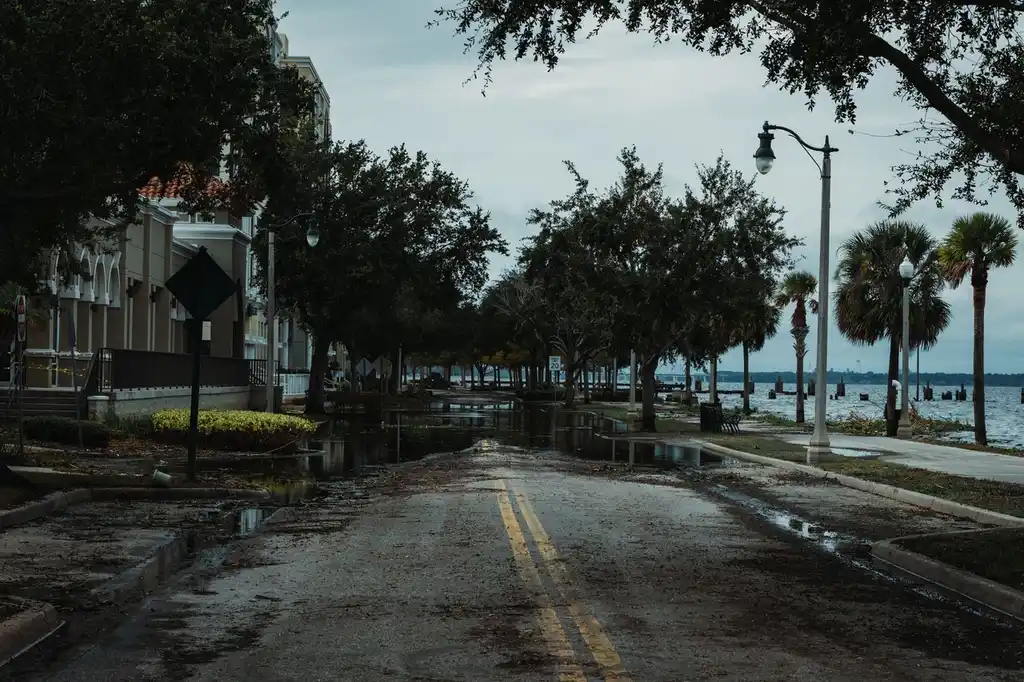
We pull standing water with a water extraction unit and wet/dry vacuum, then set Dri-Eaz and Phoenix Restoration Equipment dehumidifiers with air movers. We position them to dry the wall cavity, not just the surface. Drying typically runs two to four days. We check readings daily with a moisture meter and adjust equipment until the structure is dry.
Drying alone does not stop water from coming back. We seal cracks with hydraulic cement or a waterproof membrane, repair failed sump pump liners, and re-grade where soil slopes toward the wall. We test the fix with a hose or by watching the next rain before we close anything up.
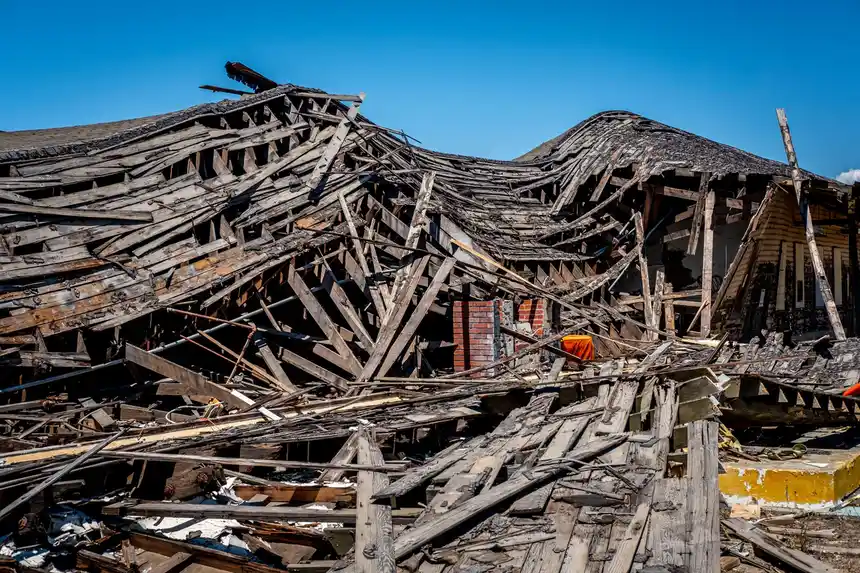
Before we leave, we take final moisture readings and photograph the dry structure. You get a written summary of what we found, what we did, and what to watch. We also walk you through maintenance like testing your sump pump before spring rain. If you need a 24 hour foundation water intrusion restoration Wilmington Delaware response, we are set up for after-hours calls.
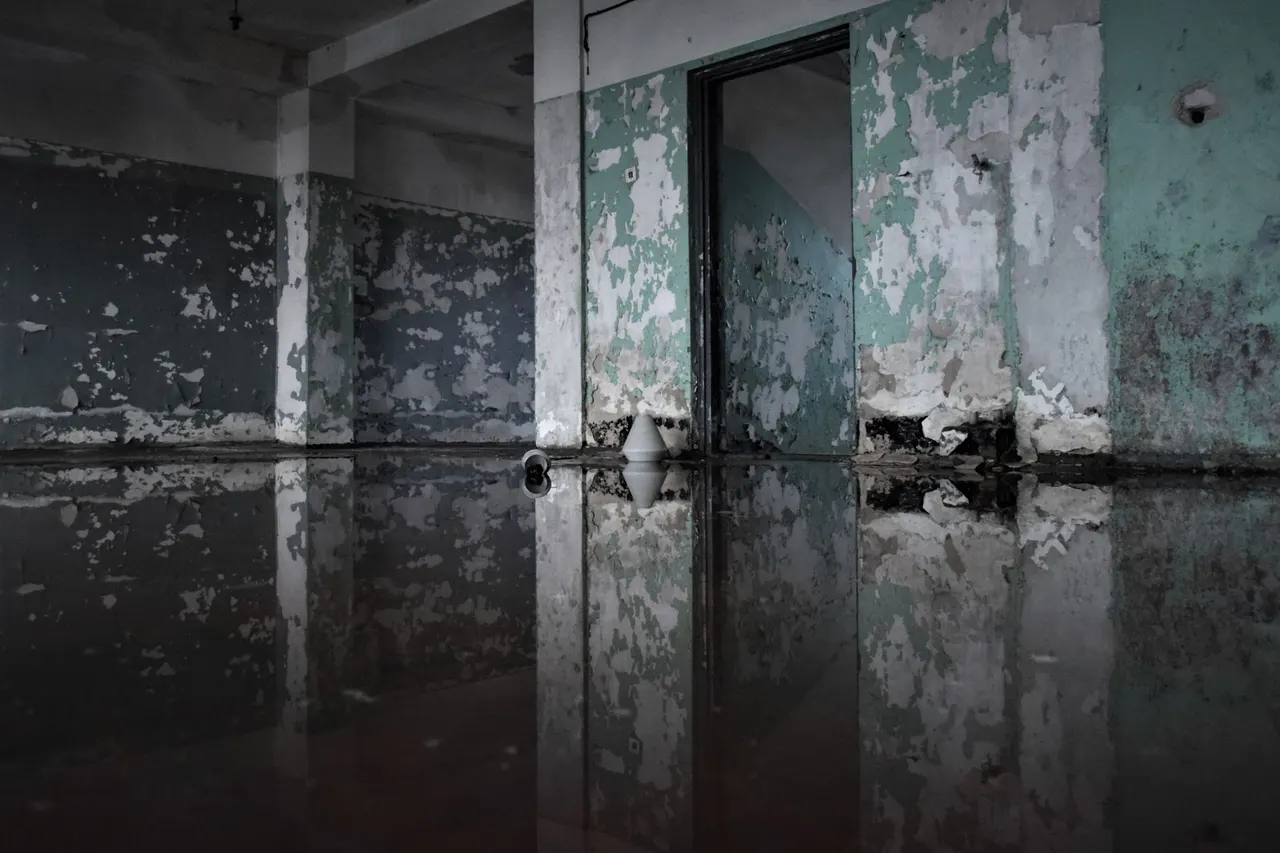
Move across a circle, or focus it and press Enter, for an illustrative thermal view of the photograph.
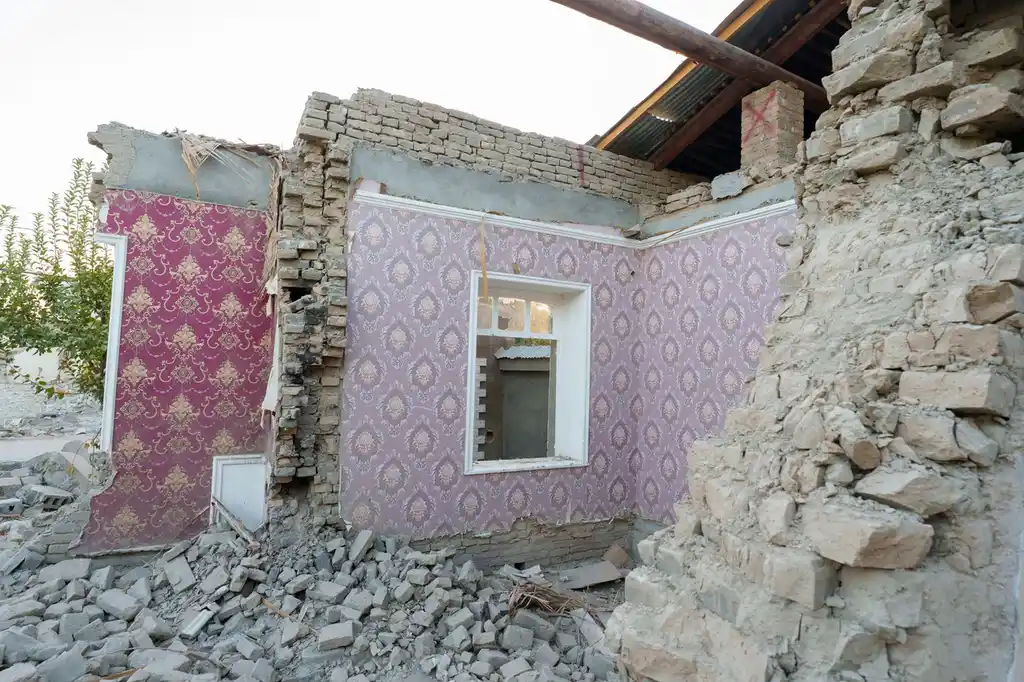
Finds temperature differences behind walls to locate hidden moisture without demolition.
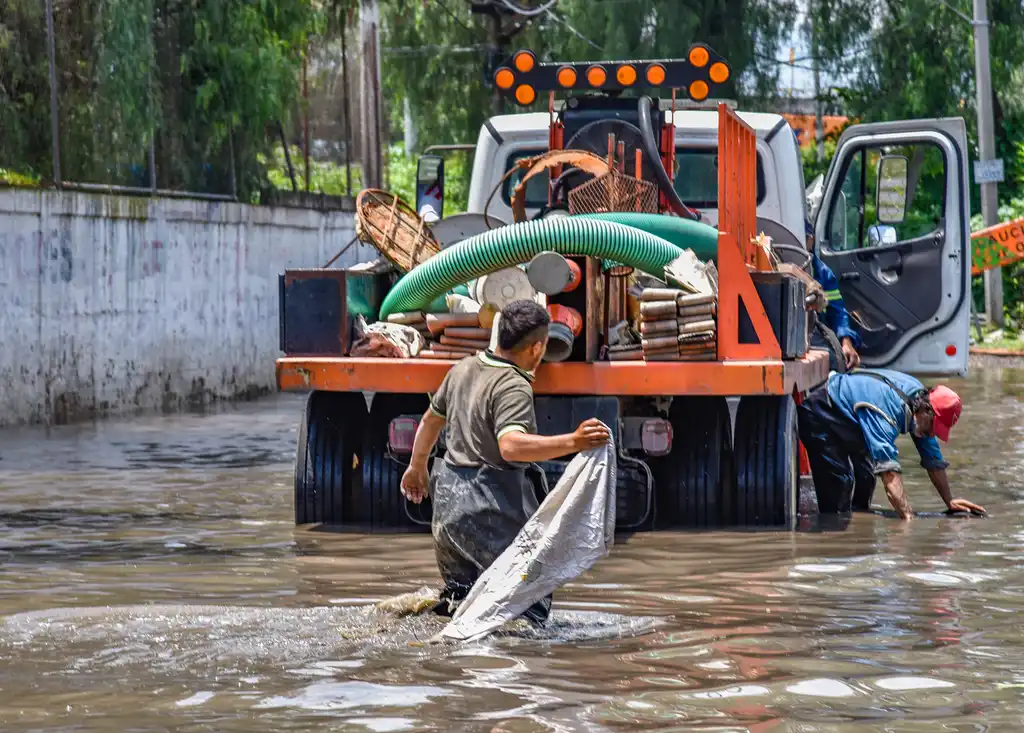
Measures water content in drywall, wood, and concrete, and tracks relative humidity during drying.
Looks inside wall cavities and under floors to confirm the leak path before we open anything up.
Removes standing water fast so drying equipment can work on the structure, not a puddle.
Pulls moisture out of wall cavities and subfloors during the two-to-four-day dry-out.
Thermal views are illustrative, generated from the photographs.
Circulates air across wet surfaces to speed evaporation and prevent mold growth.
Replaces failed equipment to keep groundwater away from your foundation.
We follow IICRC Water Restoration Technician and Applied Structural Drying standards to set drying goals, monitor readings, and confirm the structure is dry before we remove equipment.
We combine a thermal imaging camera with moisture meter readings to map every wet zone. This tells us exactly where to place equipment and when the structure has reached dry standard.
On pre-1978 Wilmington homes, we follow EPA Lead-Safe renovation rules when we cut into painted drywall or trim. That protects your family and our crew.
We seal foundation cracks, replace sump pump liners, and coordinate plumbing repairs before we call the job done. Drying without fixing the source means the water comes back next storm.
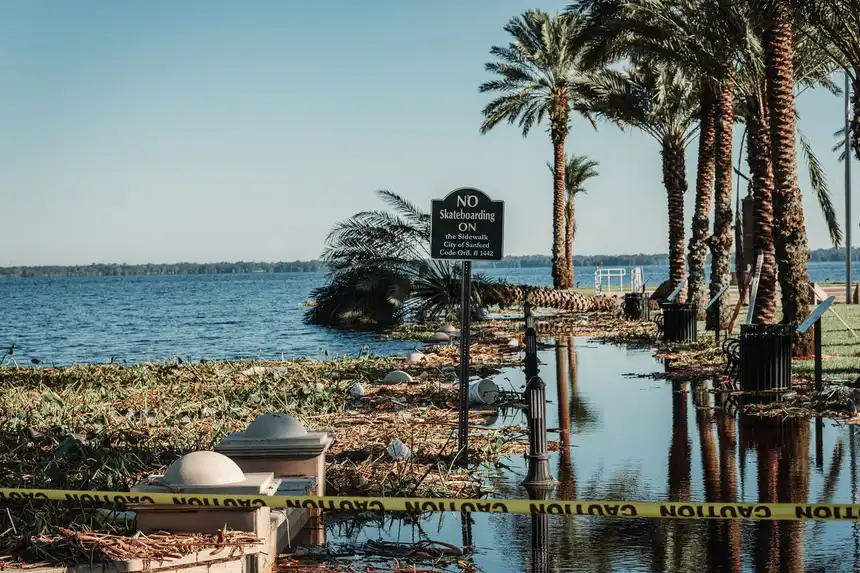
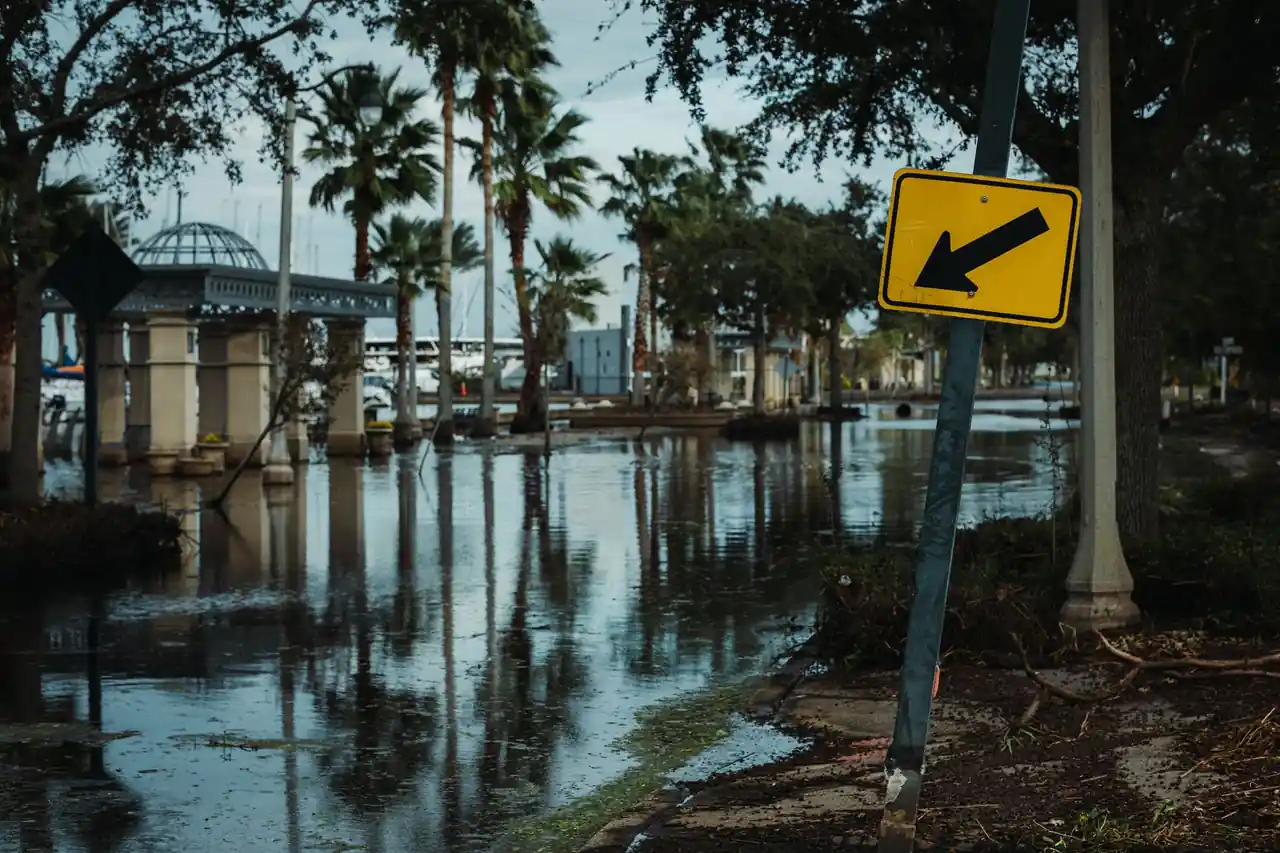
You find water on the basement floor after a nor'easter in Southbridge.
We extract the standing water, trace the entry point with a thermal imaging camera, and dry the space with Dri-Eaz dehumidifiers. We seal the crack or repair the sump pump liner before we leave.
Outcome: Your basement is dry within three to four days, and the entry point is sealed against the next storm.
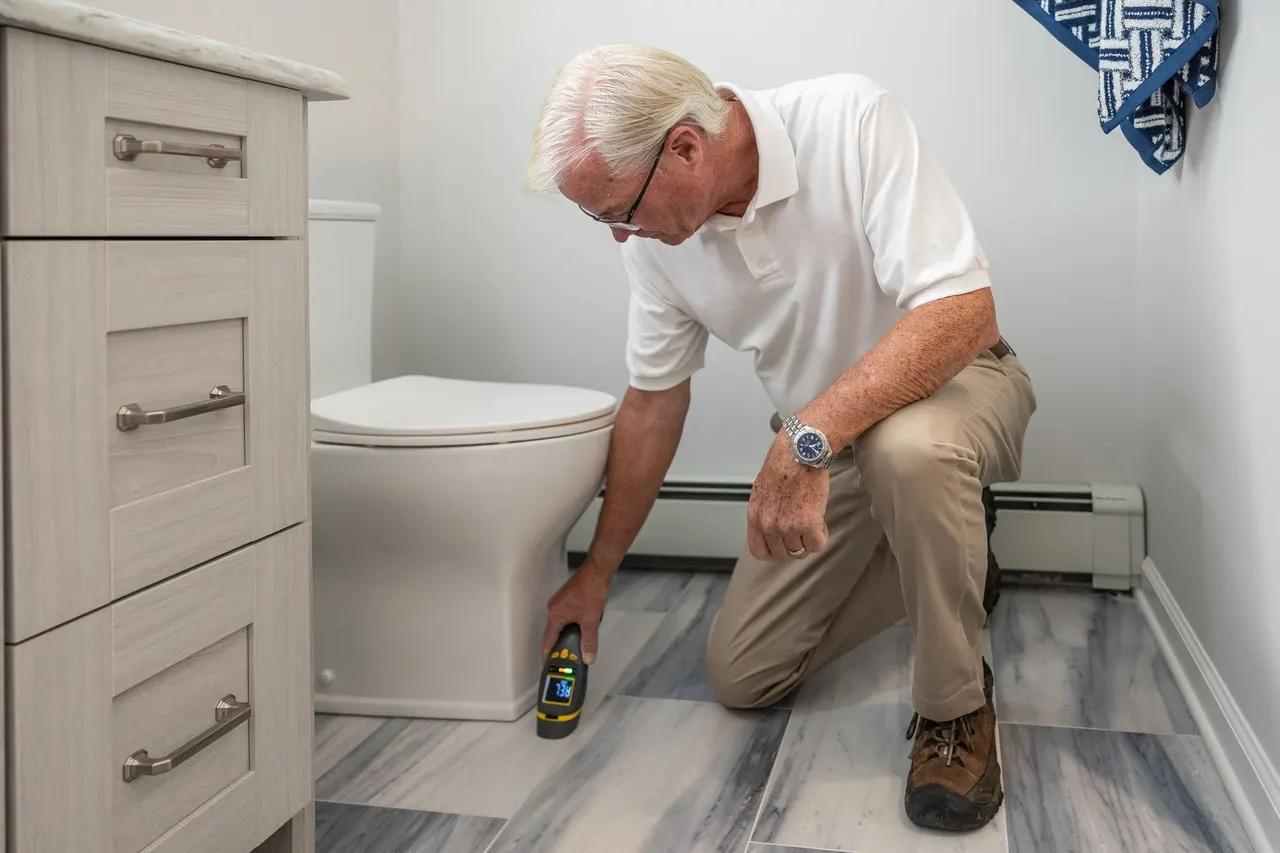
A pipe bursts in your wall during a January cold snap in The Highlands.
We shut off the water, extract, and dry the wall cavity. We insulate the line or reroute PEX piping to reduce repeat freeze risk.
Outcome: The wall is dry, the pipe is repaired, and the line is protected before the next freeze.
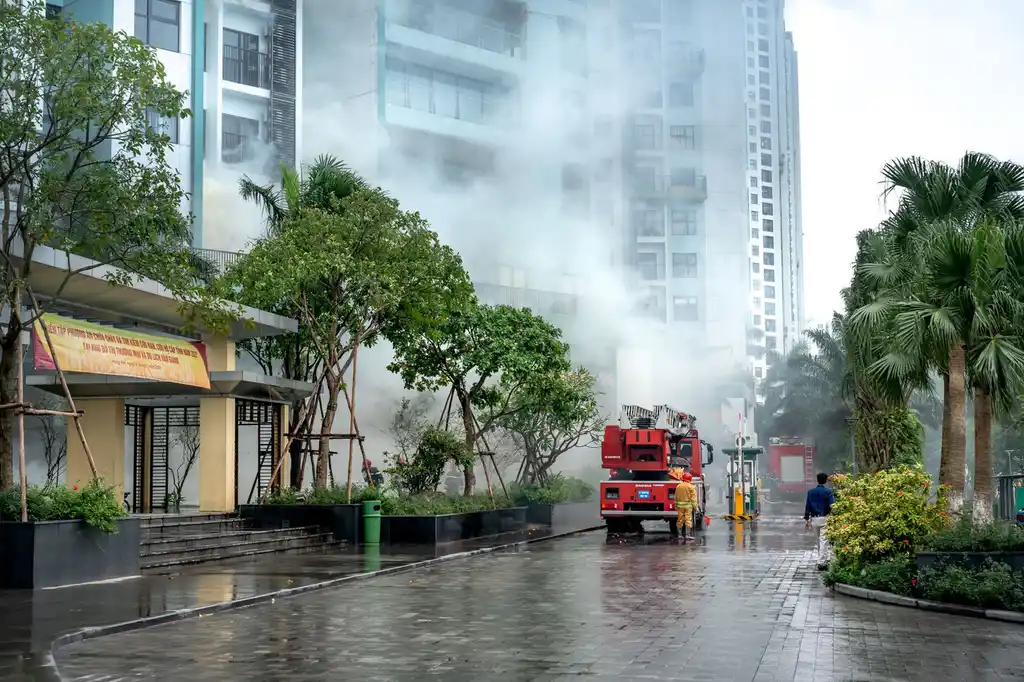
Your sump pump runs constantly and the basement still feels damp in Trolley Square.
We inspect the sump pit, liner, and discharge line. If the pump is undersized or the liner is cracked, we replace them. We also check the foundation wall for groundwater intrusion.
Outcome: The pump cycles normally, the basement stays dry, and you know how to test the system before spring.
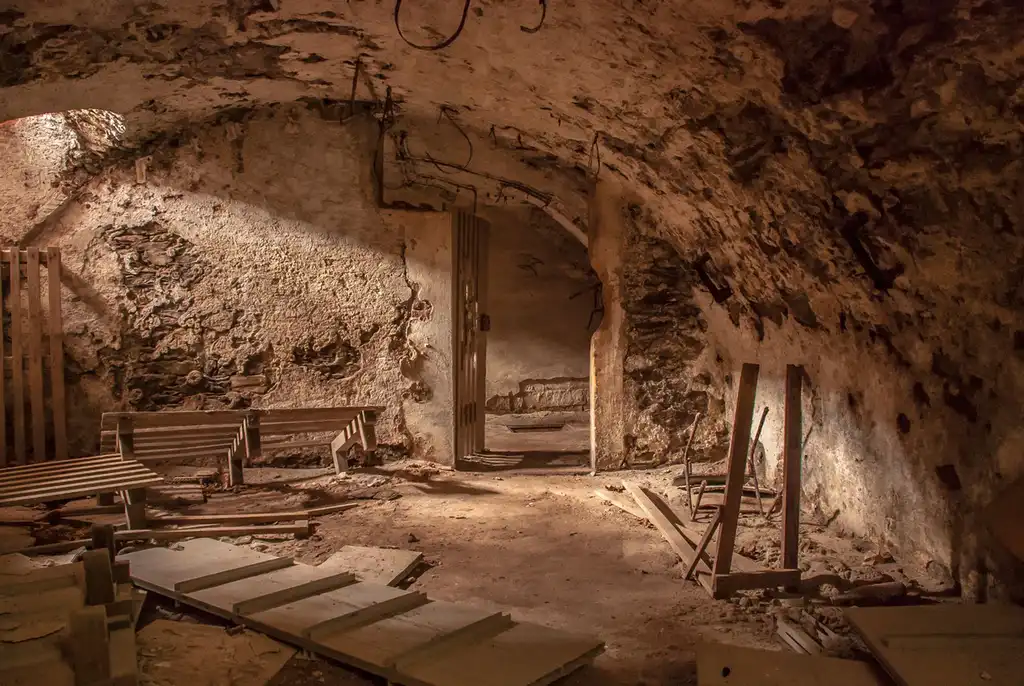
You notice a musty smell and peeling paint on a foundation wall in Browntown.
We use a moisture meter and thermal imaging camera to find the hidden water. We dry the wall, treat for mold growth with IICRC AMRT protocols, and seal the entry point.
Outcome: The smell is gone, the wall is dry, and the mold does not return because the water source is fixed.

Heavy rain floods your basement storage area in Canby Park.
We extract the water, remove saturated boxes and materials, and dry the space. We check the foundation for cracks and the sump pump for failure, then repair what we find.
Outcome: The storage area is dry and usable again, and the foundation is sealed against the next heavy rain.
Wilmington's foundation water problems are shaped by its rivers, soil, and housing stock. The Brandywine and Christina rivers sit at the city's edges, and heavy rain pushes groundwater into basements in Southbridge, Browntown, and along the Riverfront. Much of the city sits on clay-heavy soil that drains slowly, so water presses against foundation walls for days after a storm.
Older rowhomes in Trolley Square, The Highlands, and Trinity Vicinity often have original clay drain tile that has collapsed or clogged. Newer homes in Union Park Gardens and Cleland Heights may have updated sump pump liners, but those pumps still fail during the January freeze. We handle foundation leak water damage Wilmington Delaware calls year-round, with the heaviest volume from late fall through early spring.
If you need foundation water damage repair services in Wilmington Delaware, we inspect with a thermal imaging camera, extract, dry, and seal the entry point. ZIP codes 19802, 19801, and 19806 see the most rowhome basement calls.
Before: A homeowner found two inches of water along the basement wall after a March nor'easter. The wall was wet four feet up, and the sump pump was running but not keeping up. The original drain tile was clogged with roots and silt.
After: We extracted 180 gallons, dried the wall cavity for three days with Dri-Eaz dehumidifiers, and replaced the failed sump pump liner. Final moisture readings were below 15 percent. The wall has stayed dry through two subsequent storms.
Test the sump pump monthly by pouring a bucket of water into the pit. Clear downspouts and check the discharge line before spring rain.
Before: A January freeze split a copper pipe inside a foundation wall. Water ran behind the drywall for six hours before the homeowner noticed a bulge and damp carpet. The wall cavity was saturated, and mold had started on the paper backing.
After: We extracted the water, removed two feet of wet drywall, and dried the cavity for four days. Final readings were dry, and the mold was remediated with IICRC AMRT protocols.
Keep basement heat above 55 degrees during cold snaps. Insulate exposed pipes and let faucets drip during single-digit nights.
Before: Heavy rain pushed groundwater through a foundation crack in a Southbridge rowhome. The floor was wet across a 200-square-foot area, and the homeowner had been shop-vaccing it for two days. A moisture meter showed the wall was wet three feet up.
After: We extracted the standing water, dried the space for three days, and sealed the crack with hydraulic cement and a waterproof membrane. We also re-graded the soil outside. The basement has stayed dry through two heavy rain events since.
Keep soil sloped away from the foundation and extend downspouts at least six feet from the wall. Check the membrane annually for cracks.
Most foundation water calls fall into a handful of categories. Here are the ones we see most in Wilmington and how we handle each.
A dry foundation and a sealed entry point that holds.
We run emergency foundation water intrusion restoration Wilmington DE calls seven days a week. Most days we are on-site within 90 minutes of your call. That matters when a burst pipe is spraying or a sump pump died during a storm. We bring a water extraction unit and wet/dry vacuum on the first truck so we can start pulling water immediately.
A thermal imaging camera and boroscope camera let us see inside the wall cavity without tearing it open. We map every wet zone with a hygrometer and moisture meter before we quote the dry-out. That is how we keep foundation water damage repair services in Wilmington Delaware honest and targeted instead of ripping out drywall you did not need to lose.
Mold growth can start within 24 to 48 hours of a foundation leak. We set Dri-Eaz and Phoenix Restoration Equipment dehumidifiers to pull the relative humidity below 50 percent, then verify with a hygrometer. If we find mold, we handle remediation with EPA Lead-Safe practices. You get a dry, documented structure, not a wet wall you have to worry about next spring.
Wilmington's clay-heavy soil and older housing stock change how we approach every job. We know which neighborhoods have original clay drain tile and which have updated sump pump liners. That local detail is why affordable foundation water intrusion restoration Wilmington DE does not mean cutting corners.
What a written scope covers and what shapes it. Prices are set by the business after the first look.
Included
Depends on
Clear records you can keep and share.
Daily readings from each wet zone
Before and after images of the structure
What we did and what we sealed
Steps to prevent the next leak
Most foundation water calls fall into three categories. Each needs a different repair.
Water rises through the wall or floor after rain
The pump stops or cannot keep up with inflow
A supply or drain line fails inside the wall
A list like this tells people straight away whether you cover their street. Not listed? Call and ask: it only takes a minute.
Based in Wilmington and covering the places around it. Pick one for local details.
A small seep with a two-day dry-out sits at the low end. A flooded basement with mold remediation and a new sump pump liner pushes toward the top. We inspect first, then give you a written price before we start.
The most common causes we find are groundwater intrusion after heavy rain, a failed sump pump, a plumbing leak inside the wall, and clogged or broken drain tile. Wilmington's clay soil holds water against the foundation, and older rowhomes often have original drain systems that have collapsed. A thermal imaging camera and moisture meter let us trace the source instead of guessing.
Extraction takes a few hours. Structural drying usually runs two to four days with Dri-Eaz dehumidifiers and air movers running continuously. Sealing cracks or replacing a sump pump liner adds one day. If mold remediation is needed, add three to five days. We check moisture readings daily and do not remove equipment until the structure is dry.
Yes. Foundation water damage is repairable in most Wilmington homes, especially when you catch it early. We extract the water, dry the wall and floor structure, then seal the entry point with hydraulic cement or a waterproof membrane. The key is stopping the water source, not just drying the floor.
Other services from the same team.
Water in your foundation gets worse by the hour. Call (302) 775-0748 and we will dispatch a crew with extraction and drying equipment. We inspect, explain what we find, and give you a written price before work begins.
Call (302) 775-0748 any time, day or night. If you prefer email, send photos and details to info@wilmingtonaquarestore.com and we will follow up with next steps.