For Homes
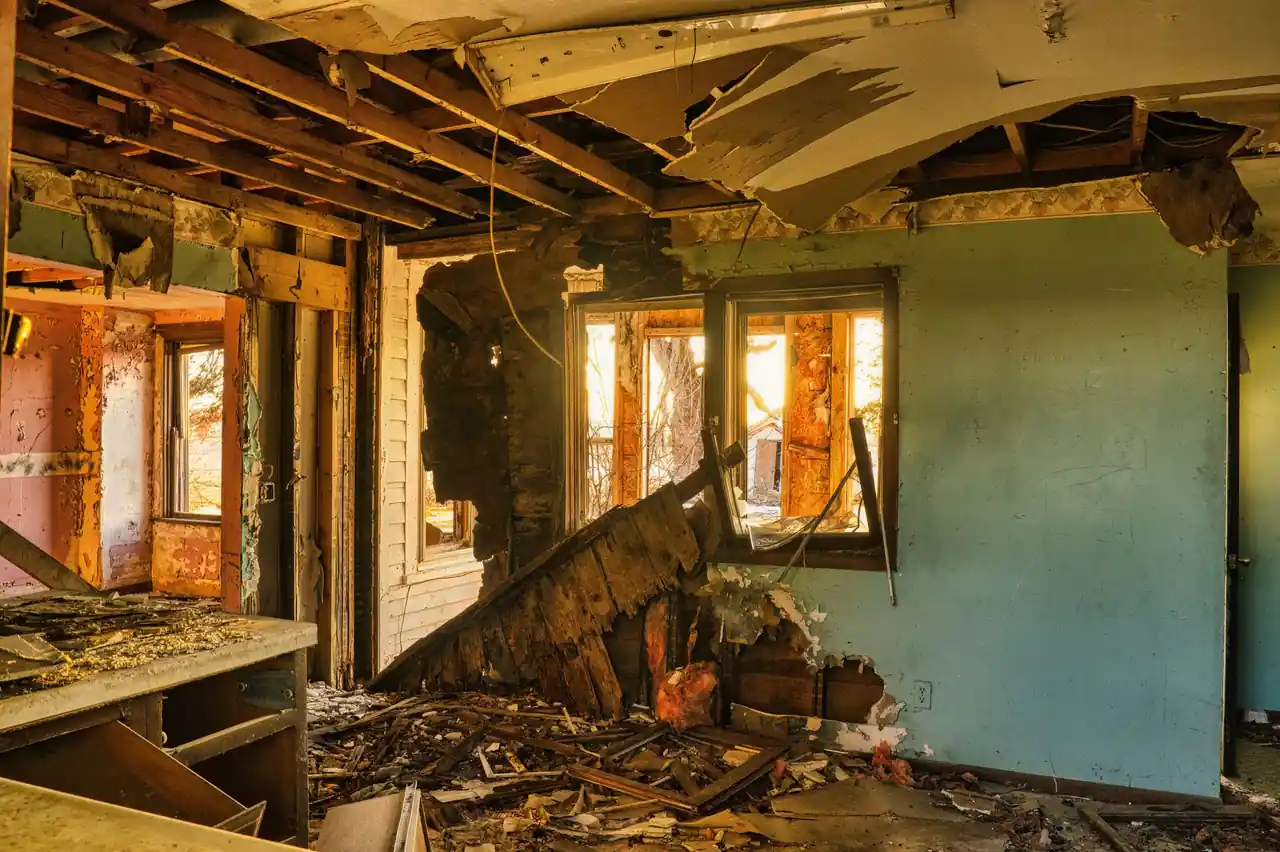
We inspect your walls, floors, and ceilings with meters and thermal imaging. You get a clear picture of what is wet and what is not.
- Stain on ceiling
- Soft floor spot
- Musty basement smell
Water Damage Inspection Wilmington DE is the fastest way to find out what is wet, how wet, and how far the water has traveled. We inspect homes and businesses across New Castle County with moisture meters, thermal imaging cameras, and boroscope cameras, then hand you a written report with photos. If you have a musty smell, a soft floor, or a stain on the ceiling, call (302) 775-0748 and we will tell you exactly what is going on.
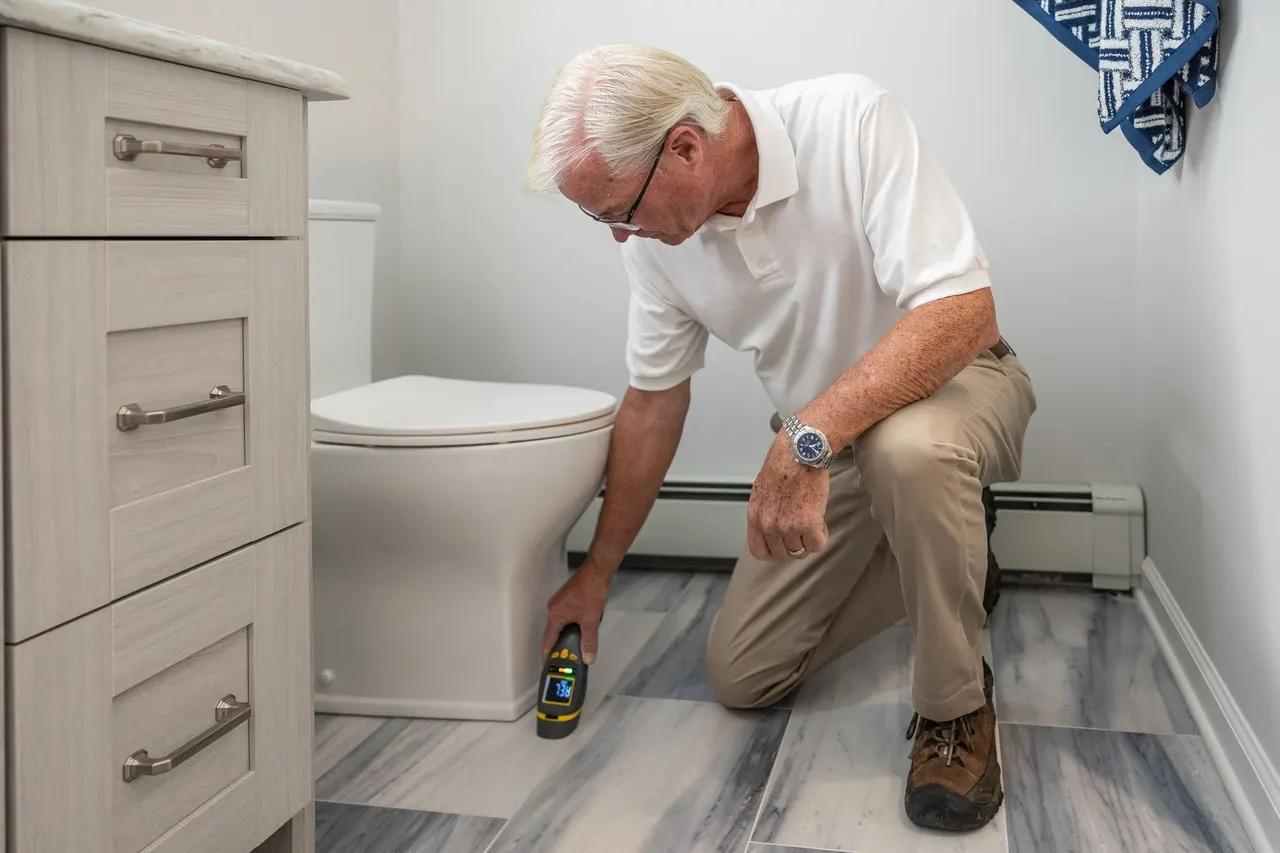 Meter readingsThermal scanWritten report
Every water damage inspection we perform includes the core steps below. If the inspection turns up something that needs more than detection, like extraction or drying, we quote that separately and you decide whether to proceed. There is no obligation to hire us for the repair work.
We take moisture meter readings on every wall, floor, and ceiling in the affected area and mark them on a floor plan. You see the wet zone and the dry zone side by side. This is the foundation of the whole inspection.
A thermal imaging camera reveals temperature differences behind finished surfaces that a meter alone can miss. We scan the suspect walls, ceilings, and floors, then confirm anything suspicious with a meter. It is how we find water you cannot see.
We do not stop at finding moisture. We trace it to the source using a boroscope camera, pressure checks, and observation. Knowing whether it is a plumbing leak, a roof leak, or groundwater intrusion changes the fix entirely.
You get a written summary with moisture readings, thermal images, and photos of each affected area. It is formatted so your insurance adjuster can follow the story. You keep a copy whether you hire us for the cleanup or not.
Before we leave, we explain what we found and what we recommend. If drying or repair is needed, we can schedule it on the spot. If the area is dry, we tell you that too and you can stop worrying about it.
The approach is the same for a home and a business. What changes is the access, the schedule and who needs the paperwork.
We inspect your walls, floors, and ceilings with meters and thermal imaging. You get a clear picture of what is wet and what is not.
We inspect offices, retail, and multi-unit properties with minimal disruption. You get per-unit documentation for your records and claims.
A plain-language look at what Water Damage Inspection involves and when it is needed.
See how it worksWater Damage Inspection Wilmington DE is a documented evaluation that locates moisture, traces its source, and measures how far it has spread through your building materials. We start with a walk-through and a moisture meter on every wall, floor, and ceiling that could be affected.
Then we bring in a thermal imaging camera to see temperature differences behind drywall and under flooring, and a boroscope camera to look inside wall cavities without cutting big holes. A hygrometer tells us the relative humidity in each room, and an infrared thermometer helps us confirm cold spots that point to hidden water. You get readings, photos, and a clear explanation of what is wet and what is not.
Finding the source and the extent early is what keeps a small leak from becoming a rebuild.
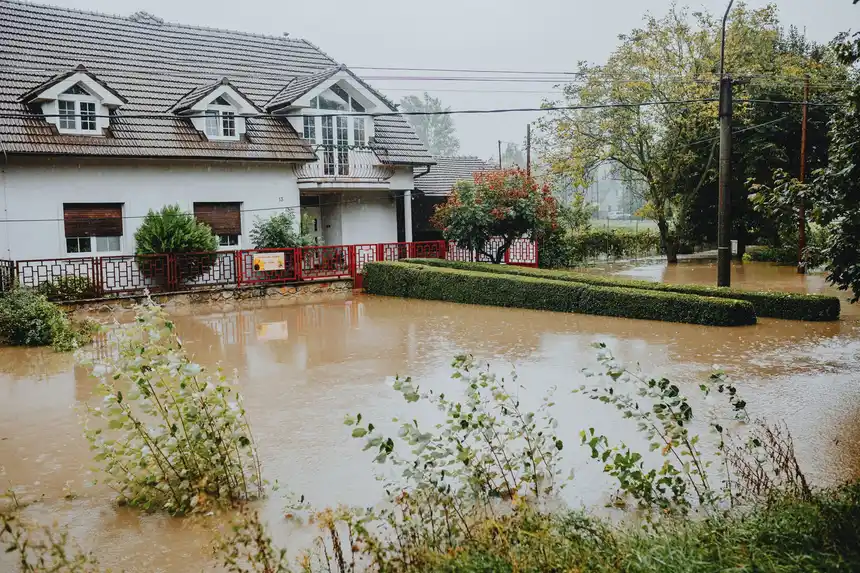
Most Wilmington properties we inspect are dealing with one of a handful of problems: a burst pipe, a frozen pipe, a plumbing leak, a water heater leak, an appliance leak, basement flooding, groundwater intrusion, sump pump failure, a sewage backup, a toilet overflow, a roof leak, or ceiling water damage after heavy rain. Older homes near the Riverfront and The Highlands often have copper pipe and original plaster that hide moisture longer than modern drywall. If you need a professional water damage assessment in Wilmington Delaware, we can usually get to you the same day you call.
We keep the process simple and transparent. You will know what we are doing, why we are doing it, and what we find as we go. Most inspections take 60 to 120 minutes depending on the size of the property and how many rooms are affected.
You call (302) 775-0748 and tell us what you are seeing: a stain, a smell, a soft spot, a higher water bill. We ask about the age of the home, the type of piping, and whether the issue is in a basement, crawlspace, or upper floor. That conversation lets us load the right tools and, in many cases, schedule a same day water damage inspection Wilmington DE.
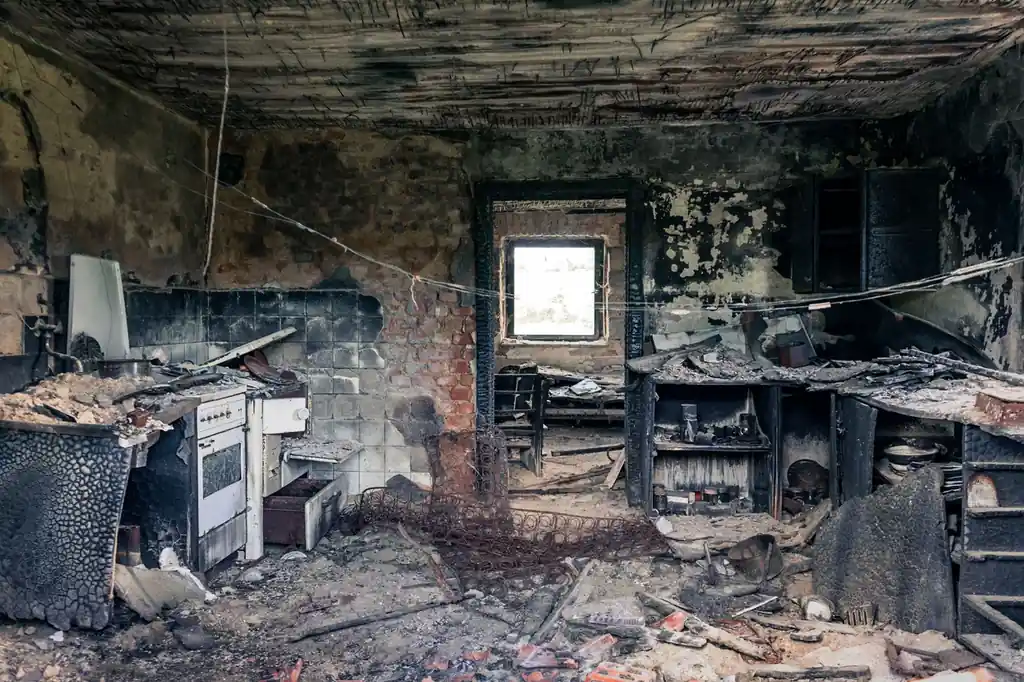
Our technician walks the property with you and asks what changed and when. We look at the water heater, supply lines, appliances, sump pump, and any area where you have noticed a problem. We note the layout and identify the rooms that need meter readings. This takes 10 to 15 minutes and sets the plan for the rest of the visit.
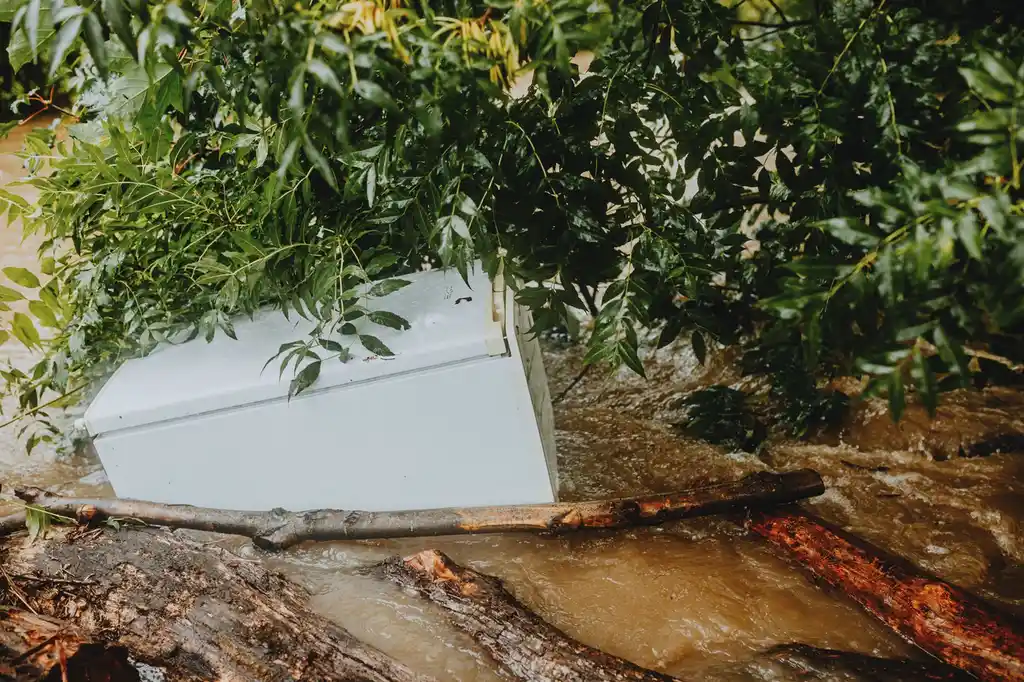
We take readings with a moisture meter on walls, floors, and ceilings, then cross-check with a thermal imaging camera and an infrared thermometer. A hygrometer records relative humidity in each room. Every reading gets marked on a sketch of the floor plan so you can see the wet zone and the dry zone side by side.
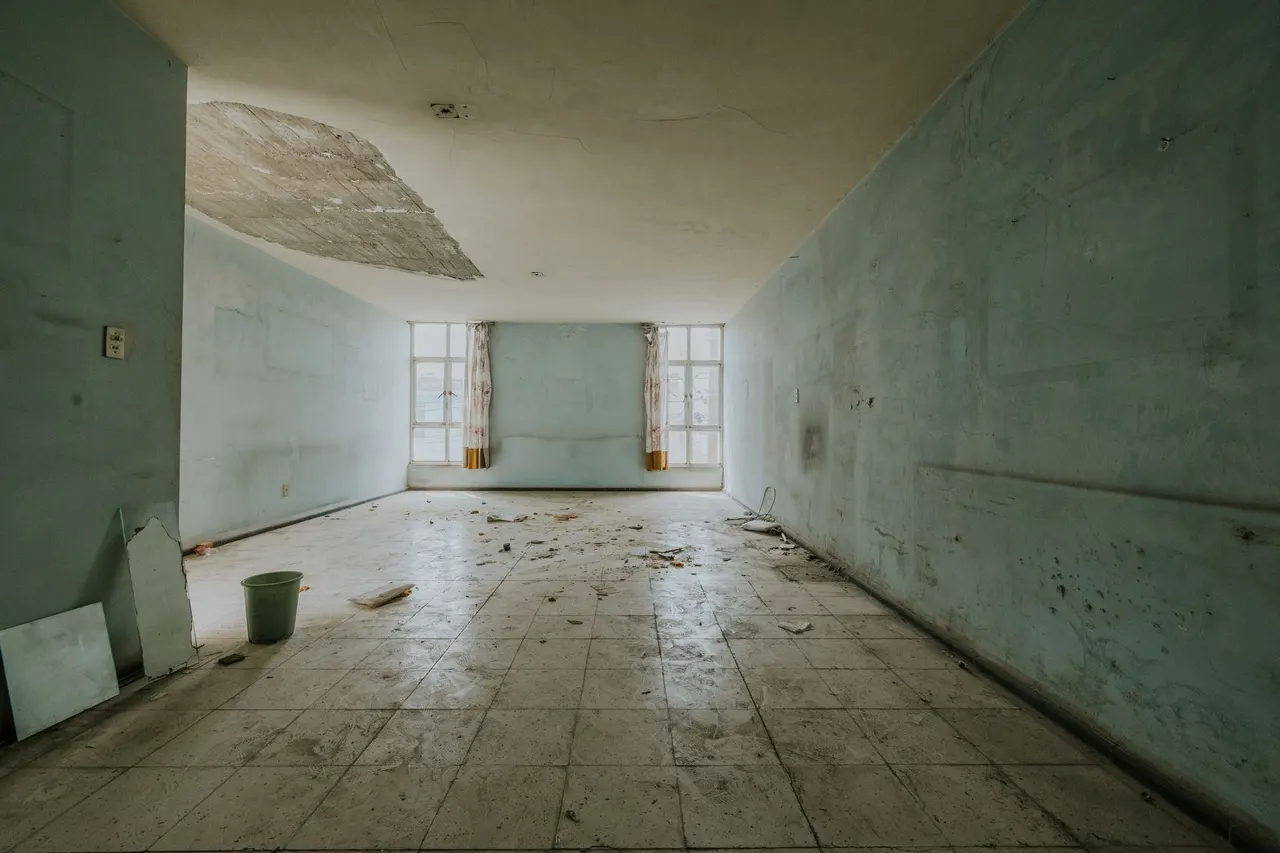
If the moisture source is not obvious, we use a boroscope camera to look inside wall cavities and under cabinets. We check PEX piping, copper pipe, pipe insulation, and supply lines for weeping joints. If we suspect a drain leak, we can run water and watch the meter. This step usually takes 20 to 40 minutes.
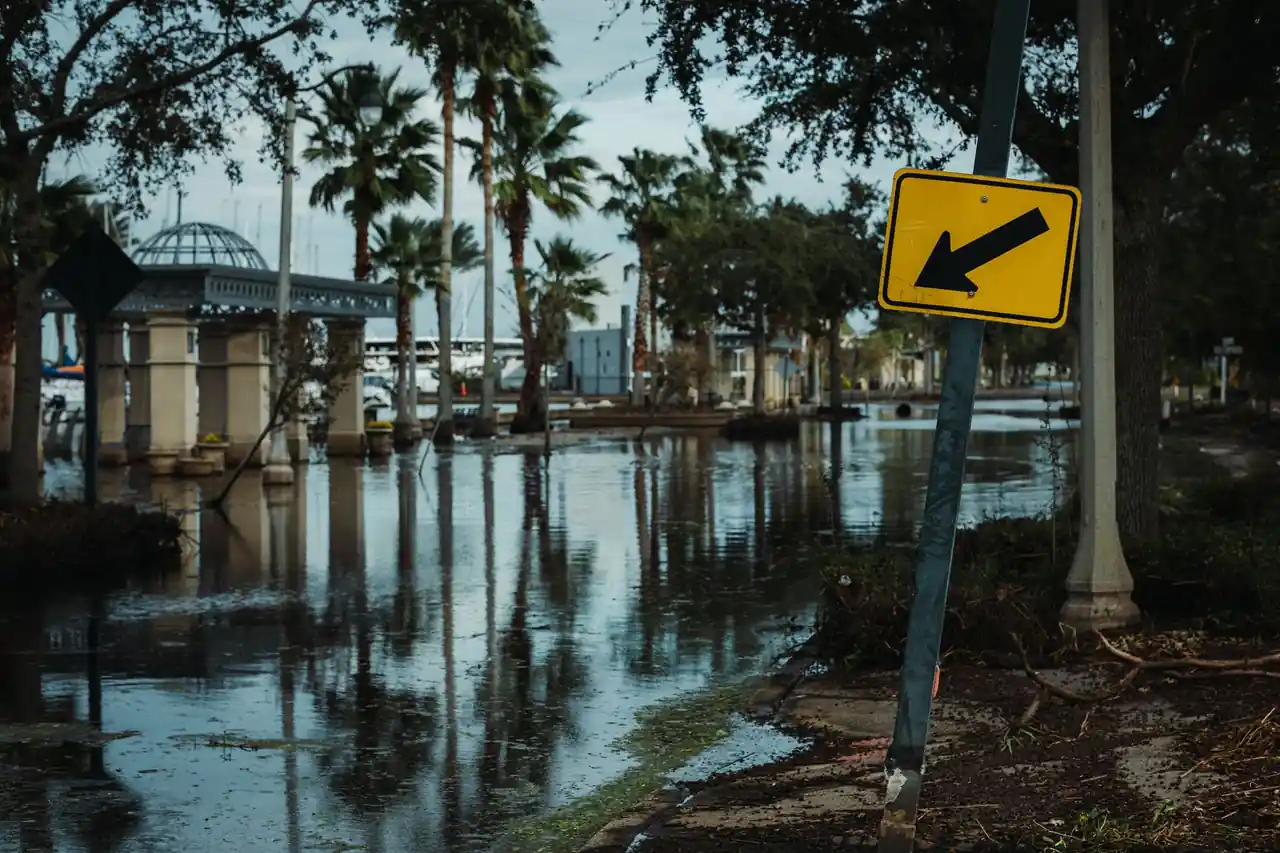
We sit down with you, show you the photos and readings, and explain what we found in plain language. You get a written summary with the moisture source, the affected materials, and whether drying or repair is needed. If you want us to handle the water extraction or structural drying, we can schedule it before we leave.
Move across a circle, or focus it and press Enter, for an illustrative thermal view of the photograph.

Pin-type and pinless meters measure moisture content in drywall, wood, and flooring. We take readings at multiple depths to see how far water has penetrated.

Shows temperature differences behind finished surfaces. Wet materials read cooler than dry ones, which lets us find hidden moisture without cutting holes.
A flexible camera that goes inside wall cavities, under cabinets, and behind baseboards. We use it to confirm the source and see the condition of framing and insulation.
Measures relative humidity in each room. High humidity in one area often points to a hidden moisture source nearby, even when the meter reads dry on the surface.
Confirms cold spots on walls and ceilings that a thermal camera flags. It is a quick cross-check before we commit to a deeper look with the boroscope.
Thermal views are illustrative, generated from the photographs.
The meters we carry daily. They are durable, accurate, and calibrated regularly. We trust them in the field because they hold up to repeated use.
The IICRC Water Restoration Technician standard guides how we evaluate water damage, classify the water, and determine what can be dried versus what must be removed. It keeps our findings consistent from job to job.
We never rely on a single tool. A thermal camera flags an area, a moisture meter confirms it, and a boroscope camera shows us the source. Three tools agreeing is how we know we have the right answer.
We sketch the floor plan and mark every reading on it. That map shows the wet zone, the dry zone, and the boundary between them. It becomes the basis for any drying plan and the record for your insurance claim.
We follow the water backward from the stain or puddle to its origin. That means checking supply lines, drains, the roof, and the foundation. Fixing the source first is the only way to prevent a repeat.
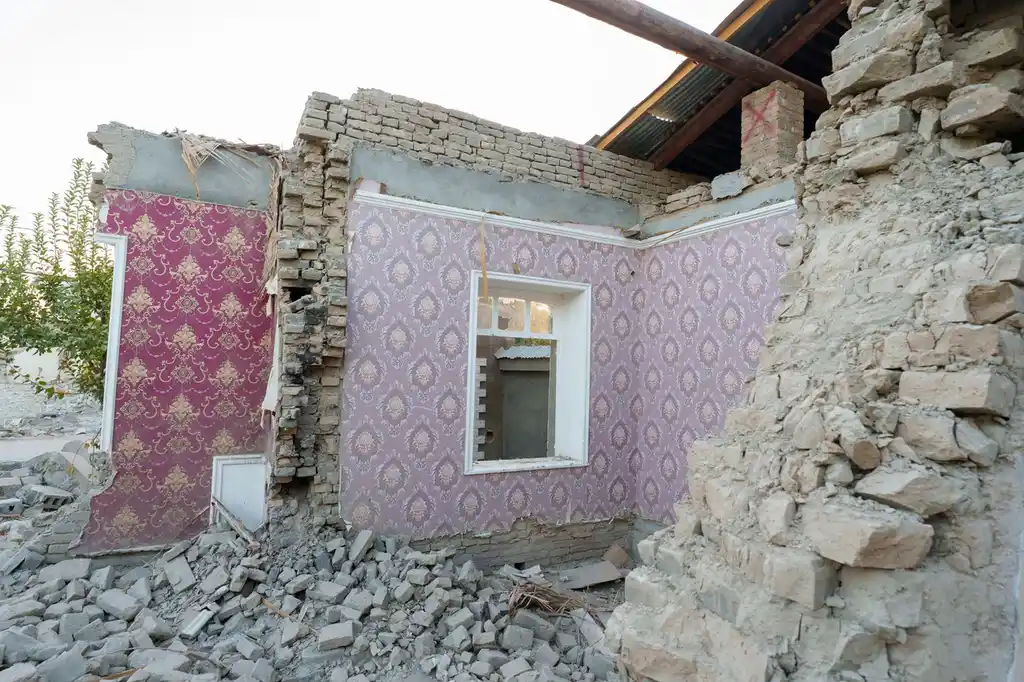
You are buying a home in Wilmington and the general inspector flagged possible moisture.
We perform a water damage inspection for homebuyers Wilmington DE that focuses on the flagged area plus the common leak points: water heater, supply lines, basement walls, and attic. We document everything in a report you can use in negotiations.
Outcome: You know exactly what you are buying and can negotiate the repair cost into the sale instead of discovering it after closing.

A pipe burst or froze over the winter and you are not sure how far the water traveled.
We inspect the entire affected floor and the one below it with moisture meters and thermal imaging. Water follows gravity and joists, so the visible puddle is rarely the whole story. We map every wet area.
Outcome: You get a complete picture of the damage, which means the drying and repair scope covers everything and nothing gets missed.
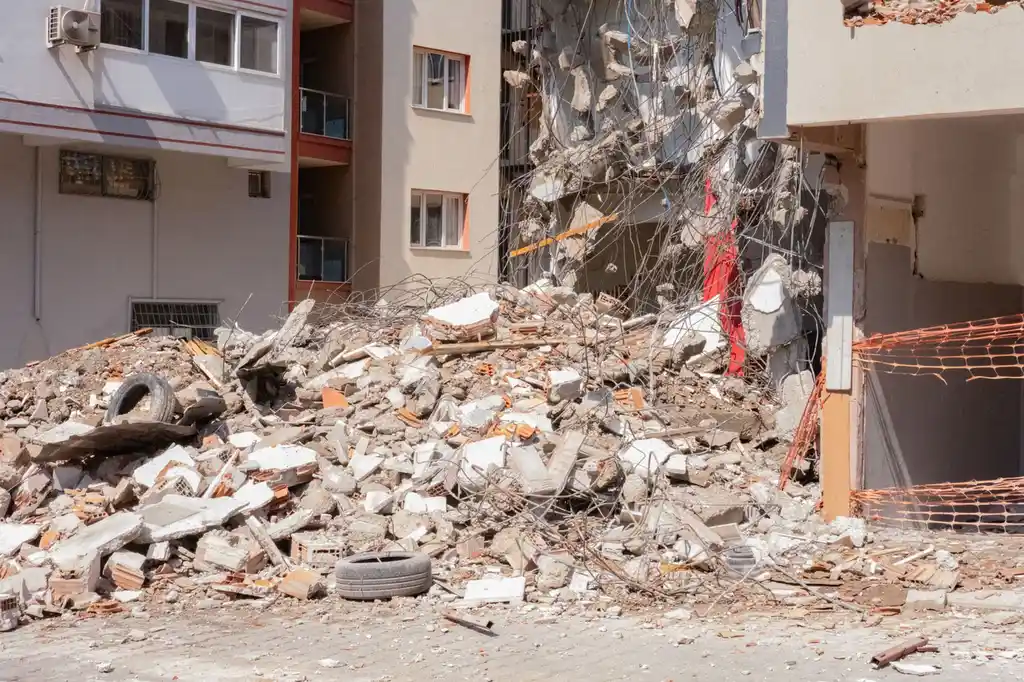
Your basement flooded after heavy rain and the sump pump ran for hours.
We inspect the basement walls, floor, sump pump liner, and any stored items. We check for groundwater intrusion patterns and measure how high the water reached. Then we recommend cleanup and prevention steps.
Outcome: The basement gets dried properly, and you get a plan to keep the next storm from doing the same thing.
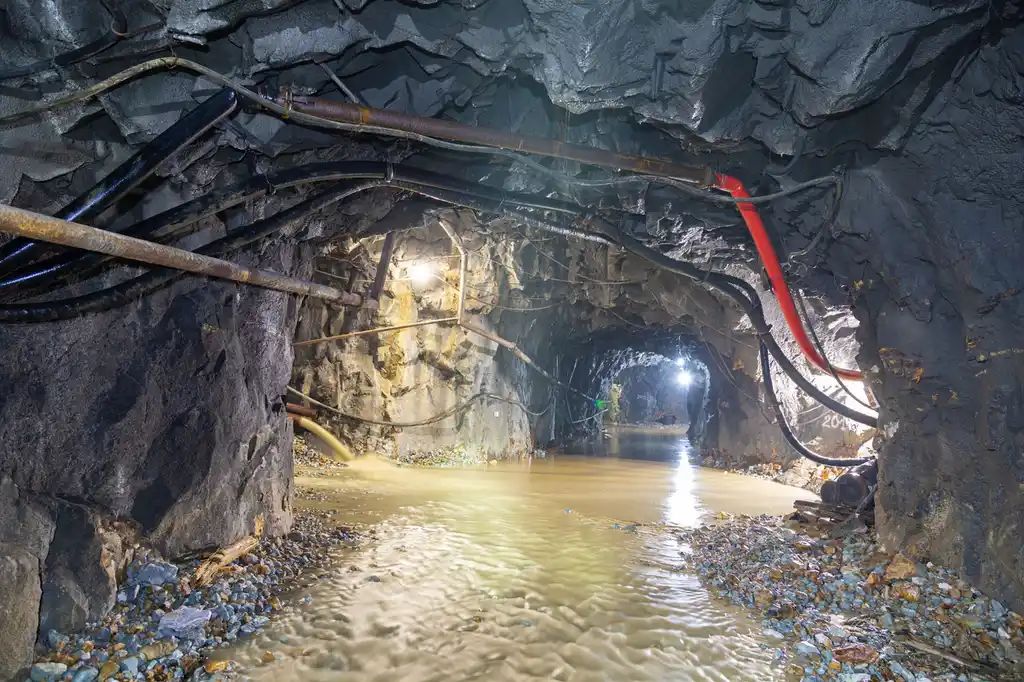
You noticed a musty smell in a room but cannot find any visible water.
We bring thermal imaging and a boroscope camera to look behind walls and under floors without demolition. Hidden moisture shows up as a temperature difference or a high meter reading. We find it and document it.
Outcome: You find out whether you have a real problem or just a stuffy room, and you get the evidence either way.
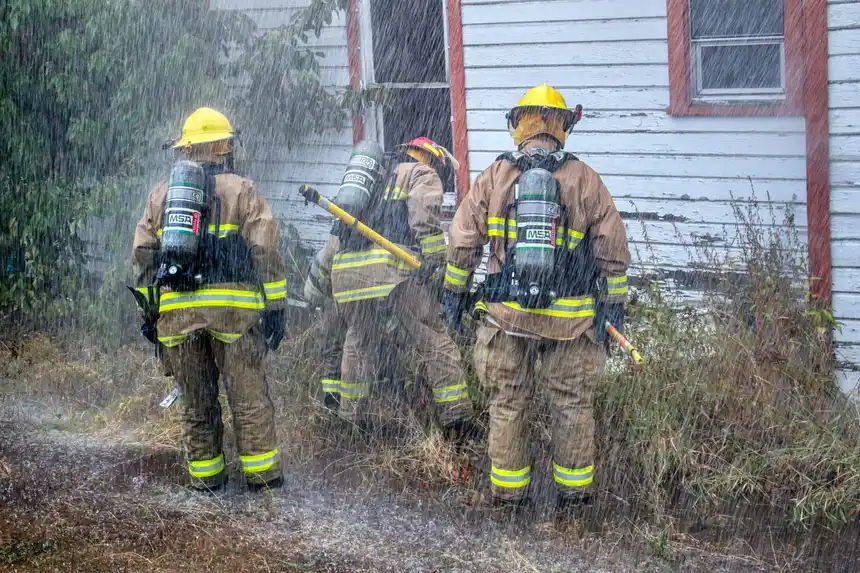
You are a property manager and need documentation for an insurance claim.
We inspect each affected unit, take moisture readings, and photograph everything. Our reports are formatted for adjusters and include a clear source-to-spread narrative. We can inspect multiple units in one visit.
Outcome: Your claim moves faster because the adjuster has the readings and photos they need from the start.

Wilmington sits between the Brandywine and Christina rivers, and that geography shapes the water damage we see. Basements in Southbridge and Browntown deal with groundwater intrusion after heavy rain, while homes in The Highlands and Wawaset Park have older copper pipe and plaster walls that hide leaks longer.
Winter brings frozen pipe calls from unheated crawlspaces and exterior walls, often in the middle of the night. Summer storms push water through roof leaks and overwhelmed gutters. We inspect with that calendar in mind. If you search for a 24 hour water damage inspection Wilmington Delaware, we can usually get a technician out the same day for urgent situations.
Our reports include the moisture readings, the source, and the affected materials, so your next step is clear whether you hire us for the repair or not.
Before: A homeowner noticed a musty smell in the hallway but no visible water. A moisture meter read 28% on the hallway drywall, and thermal imaging showed a cold streak running up from the baseboard. The source was a weeping supply line joint behind the wall.
After: We documented the leak, isolated the line, and the plumber repaired the joint. After three days of structural drying, the drywall read 11% moisture content, which is normal for the area. The homeowner avoided a mold problem and a much larger repair.
Check under sinks and behind the washing machine every few months for dampness.
Before: A storm knocked out power for six hours, and the sump pump never restarted. The basement floor was under two inches of water, and the bottom 12 inches of drywall were saturated. The homeowner called us the next morning.
After: We extracted the standing water, removed the wet drywall, and set up air movers and a dehumidifier for four days. The framing read dry at the end, and we replaced the sump pump with a battery-backup model. The basement was back in use within a week.
Test your sump pump every spring by pouring a bucket of water into the pit. If it does not kick on, replace it before storm season. A battery backup buys you hours during a power outage.
Before: A brown stain appeared on the second-floor ceiling after a heavy rain. The homeowner painted over it, and it came back two months later. Our inspection found moisture in the ceiling drywall and the attic insulation above, with a roof leak at a flashing joint.
After: We documented the leak path with thermal images and meter readings. The roofer repaired the flashing, and we replaced the saturated drywall and insulation. Final readings showed the ceiling cavity at normal moisture levels. The stain has not returned.
Check your attic after every major storm for damp insulation or dark spots on the roof deck. Fixing a flashing leak early costs far less than replacing a ceiling.
Water damage rarely announces itself loudly. It shows up as a smell, a soft spot, or a stain that grows slowly. Here are the problems we see most often in Wilmington and what happens if you leave them alone.
You get the readings, the source, and a plan you can act on.
A thermal imaging camera and a moisture meter can spot wet drywall, saturated plywood, and damp wood flooring behind a finished surface in minutes. We check baseboards, subfloors, and ceiling cavities, then mark each reading on a floor plan. You see exactly where the water is, not a guess.
Mold growth can begin within 24 to 48 hours of a leak. Our water damage assessment in Wilmington DE measures moisture content in drywall, grout, and caulk so we can tell you whether structural drying is needed now or whether the area is already dry. Catching it early is the difference between a fan and a demolition.
We photograph every affected area, log meter readings, and note the moisture source. That file gives your adjuster the evidence they need for a water damage claim. It also protects you if a contractor later questions the scope of work. You keep a copy whether you hire us for the cleanup or not.
A stain on the ceiling does not tell you whether the leak is a roof leak, a plumbing leak, or a failed waterproof membrane in a shower pan. We trace it back with a boroscope camera and pressure checks. Fixing the source first is the only way to keep the damage from coming back.
What a written scope covers and what shapes it. Prices are set by the business after the first look.
Included
Depends on
Clear records you can keep and share.
Readings marked on a floor plan
Images of each affected area
Scans showing temperature differences
Findings and recommended next steps
Not all water damage is the same. The category and class guide how we dry and what we remove.
Clean water from a supply line
Gray water with some contamination
Black water, unsanitary
A list like this tells people straight away whether you cover their street. Not listed? Call and ask: it only takes a minute.
Based in Wilmington and covering the places around it. Pick one for local details.
If you hire us for the cleanup or drying, we credit the inspection fee toward that work. Commercial properties and multi-unit buildings are quoted by square footage. Call (302) 775-0748 and we can give you a firm number before we arrive.
A full assessment includes a walk-through, moisture meter readings on walls, floors, and ceilings, a thermal imaging scan, and a hygrometer reading for relative humidity. If we need to look inside a wall, we use a boroscope camera. You get a written report with photos, meter readings, and a clear recommendation on whether drying or repair is needed. It takes 60 to 120 minutes on average.
For most homes, once a year is enough, ideally in early fall before the heating season. If your home is older, has a basement, or has had a leak before, every six months is smarter. After any storm, heavy rain, or frozen pipe event, call for an inspection regardless of the calendar. Catching moisture early is far cheaper than repairing rot or mold later.
Yes. Hidden water damage is exactly what our tools are for. A thermal imaging camera shows temperature differences behind drywall, under flooring, and above ceilings. A moisture meter confirms what the camera suggests. A boroscope camera lets us look inside wall cavities without tearing them open. We routinely find leaks that homeowners did not know existed until the meter pinned.
Other services from the same team.
If you see a stain, smell something musty, or hear water running when nothing is on, do not wait. Call (302) 775-0748 and we will schedule a water damage inspection at your Wilmington property. We show up when we say we will, and we tell you what we find.
Call (302) 775-0748 any time, day or night. If you prefer email, send photos and details to info@wilmingtonaquarestore.com and we will follow up with next steps.