For Homeowners
We handle leaks, floods, and appliance failures in Wilmington homes. You get a clear plan and daily updates.
- Burst pipe in basement
- Sump pump failure
- Water heater leak
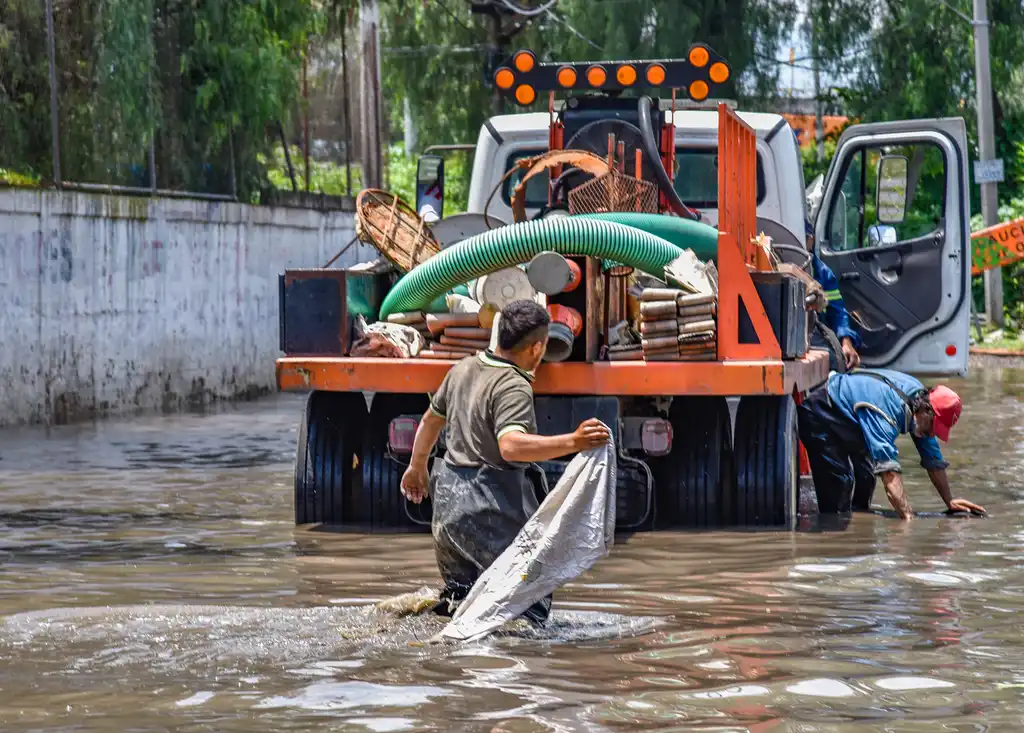
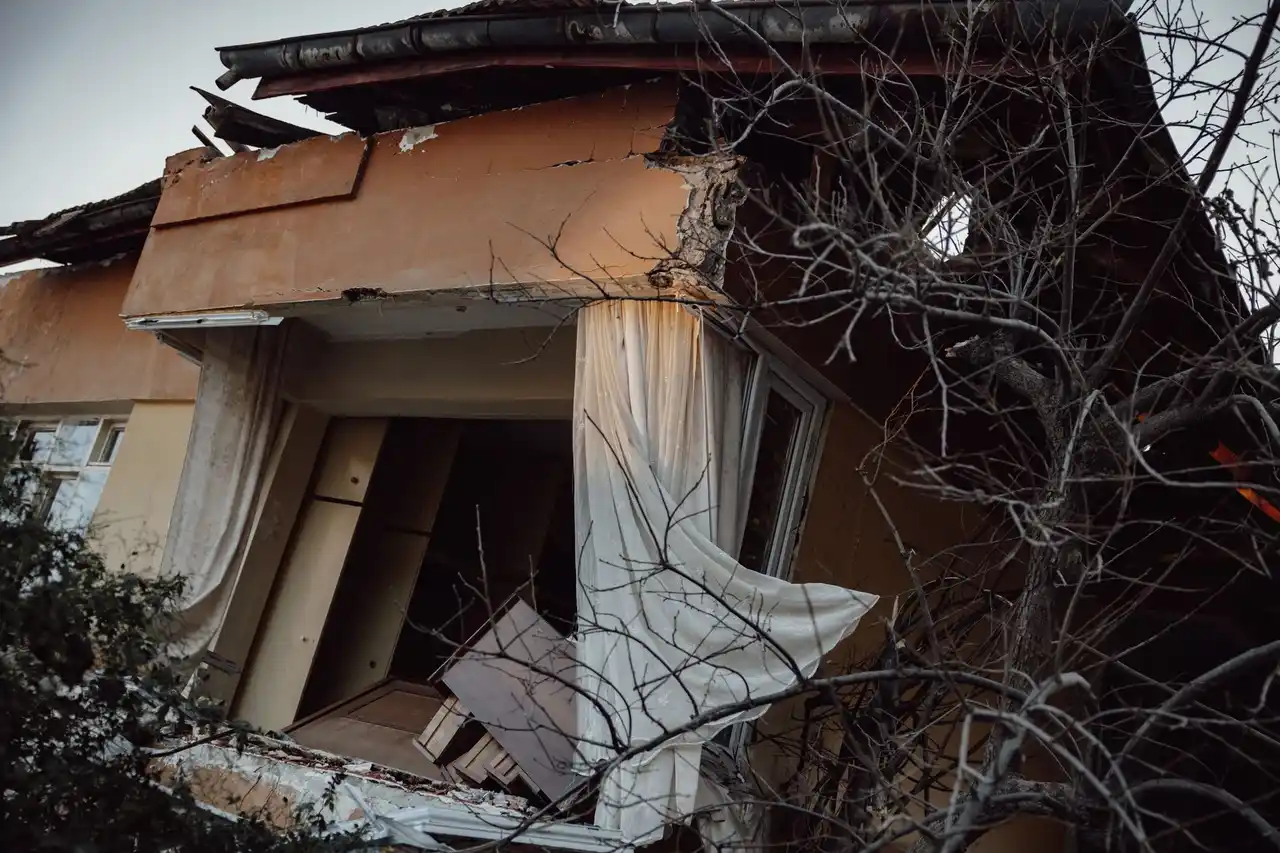
When a pipe bursts or your basement floods, Residential Water Damage Restoration in Wilmington from Wilmington AquaRestore gets your home dry and safe. We handle emergency water removal, structural drying, and mold prevention for homeowners across New Castle County. Our IICRC-trained technicians arrive with extraction units and moisture meters, document everything, and work directly with your insurance. Call (302) 775-0748 for same-day service.
 Moisture mappingWater extractionDaily drying checks
Our standard scope covers emergency response, water extraction, structural drying, and documentation. We explain what's included upfront and flag anything that falls outside the scope, like major reconstruction or mold remediation beyond the affected area.
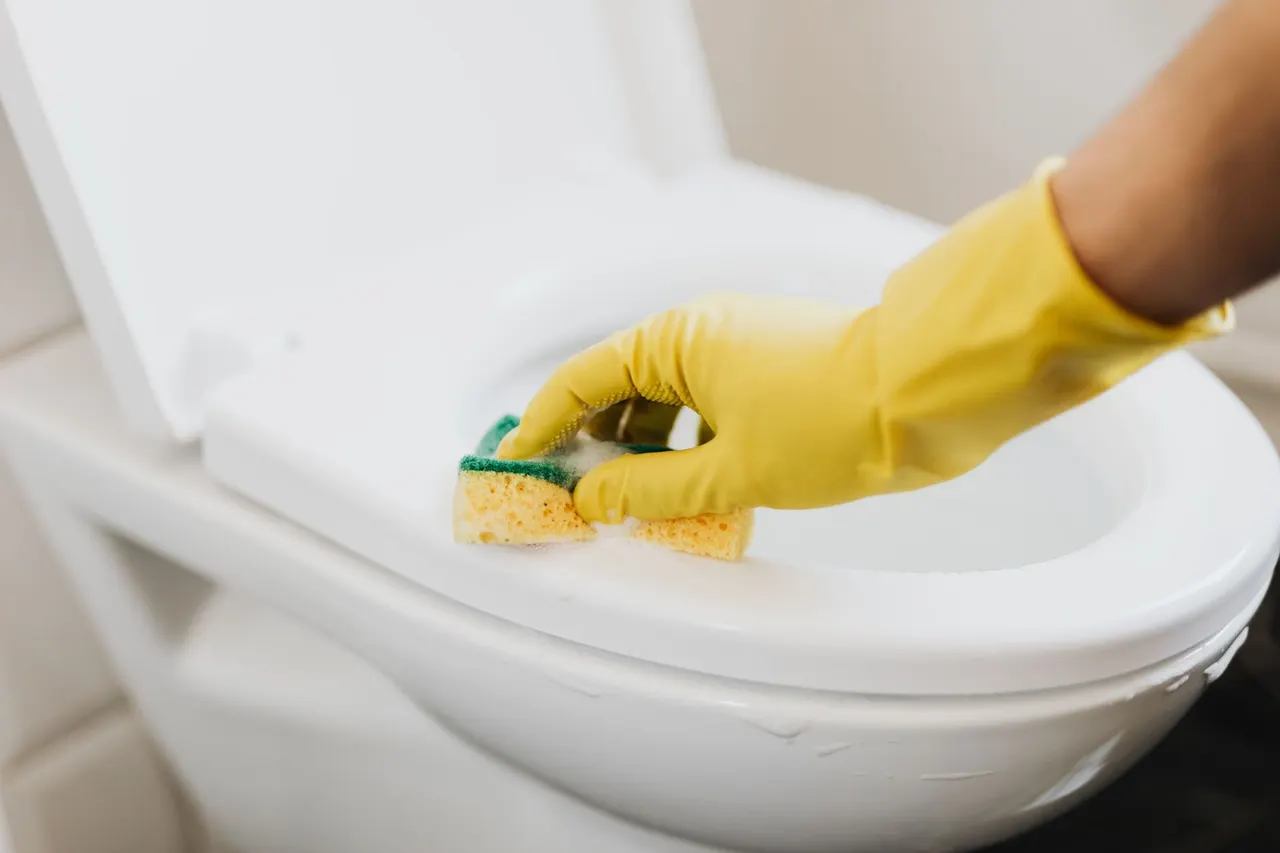
We remove standing water with commercial extraction units and wet/dry vacuums. For sewage backup or toilet overflow, we apply EPA-registered disinfectant before and after extraction. Most extraction jobs take one to three hours.
We use moisture meters, thermal imaging cameras, and hygrometers to map every wet area. We check behind baseboards, under hardwood, and inside ceiling cavities. You get a clear explanation of what's wet and what needs to come out.
We position air movers and dehumidifiers to dry walls, floors, and subfloor. Dri-Eaz and Phoenix Restoration Equipment units run continuously while we monitor with a hygrometer. Most homes dry in three to five days.
We return daily to check moisture readings, adjust equipment, and document progress. You get a drying log with daily readings and photos for your insurance claim. We don't remove equipment until the structure hits dry standard.
We document the loss with photos, moisture maps, and equipment logs. We bill most major carriers directly and explain what's covered before work begins. You don't have to chase paperwork while your home is wet.
The approach is the same for a home and a business. What changes is the access, the schedule and who needs the paperwork.
We handle leaks, floods, and appliance failures in Wilmington homes. You get a clear plan and daily updates.
We restore water damage in Wilmington offices and rentals. We work after hours and document everything for your records.
A plain-language look at what Residential Water Damage Restoration involves and when it is needed.
See how it worksResidential Water Damage Restoration in Wilmington is the process of extracting standing water, drying structural materials, and restoring your home after a leak, flood, or plumbing failure. It starts with an inspection using a moisture meter and thermal imaging camera to map exactly where water traveled. We then remove standing water with a water extraction unit, set up air movers and dehumidifiers, and monitor daily with a hygrometer until your walls, floors, and subfloor hit safe moisture levels. The goal is simple: dry the structure before mold growth starts, usually within 24 to 48 hours.
Wilmington homeowners call us for burst pipes in winter, sump pump failure during heavy rain, and water heater leaks that soak drywall and wood flooring. Older rowhomes in Trolley Square and the East Side often have original copper pipe and cast iron drains that fail without warning. We also handle sewage backup cleanup and groundwater intrusion in basements along the Brandywine. If you search for residential water damage restoration near me Wilmington, we're the local crew that shows up with the right equipment and the experience to dry your home correctly the first time.
Water damage restoration is about drying the structure correctly before mold starts.
Every job follows the same proven sequence, from emergency call to final moisture check. Here's what you can expect when we arrive.
You call (302) 775-0748 and describe what happened. We ask about the water source, how long it's been running, and whether sewage is involved. We give you immediate steps to stop the water and protect your belongings, then dispatch a crew with extraction and drying equipment.
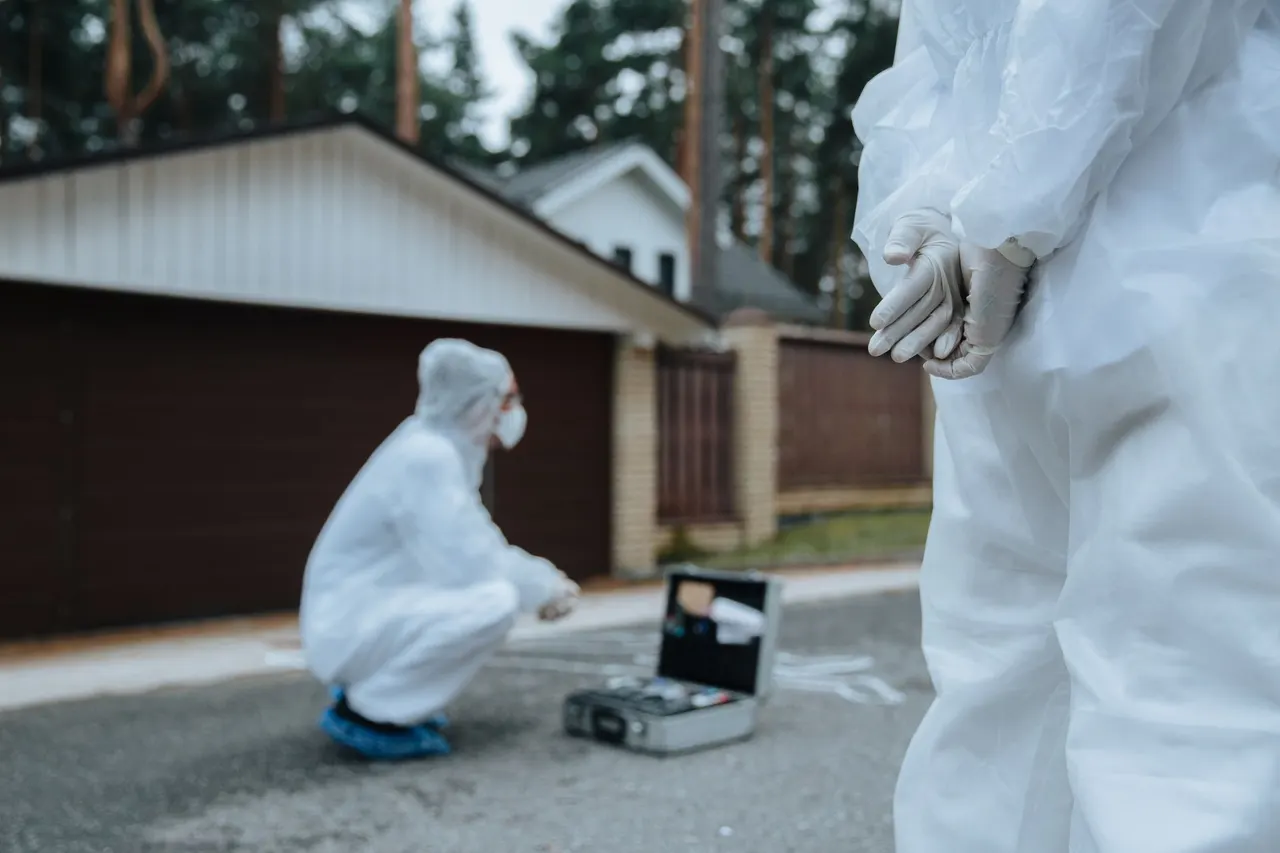
We walk the space with a moisture meter, thermal imaging camera, and hygrometer to find every wet pocket. We check behind baseboards, under hardwood, and inside ceiling cavities with a boroscope camera. You get a clear explanation of what's wet, what's salvageable, and what needs to come out.
Standing water comes out first using a water extraction unit and wet/dry vacuum. For sewage backup or toilet overflow, we apply EPA-registered disinfectant before and after extraction. This step usually takes one to three hours depending on volume and access.
We position air movers and dehumidifiers to dry walls, floors, and subfloor. Dri-Eaz and Phoenix Restoration Equipment units run continuously while we monitor with a hygrometer. Most homes dry in three to five days. We adjust equipment placement daily based on moisture readings.
We take final moisture readings and compare them to dry standard for your materials. If everything checks out, we remove equipment and provide a drying log for your records. If any area is still elevated, we extend drying or recommend targeted repairs like drywall replacement or hardwood floor restoration.
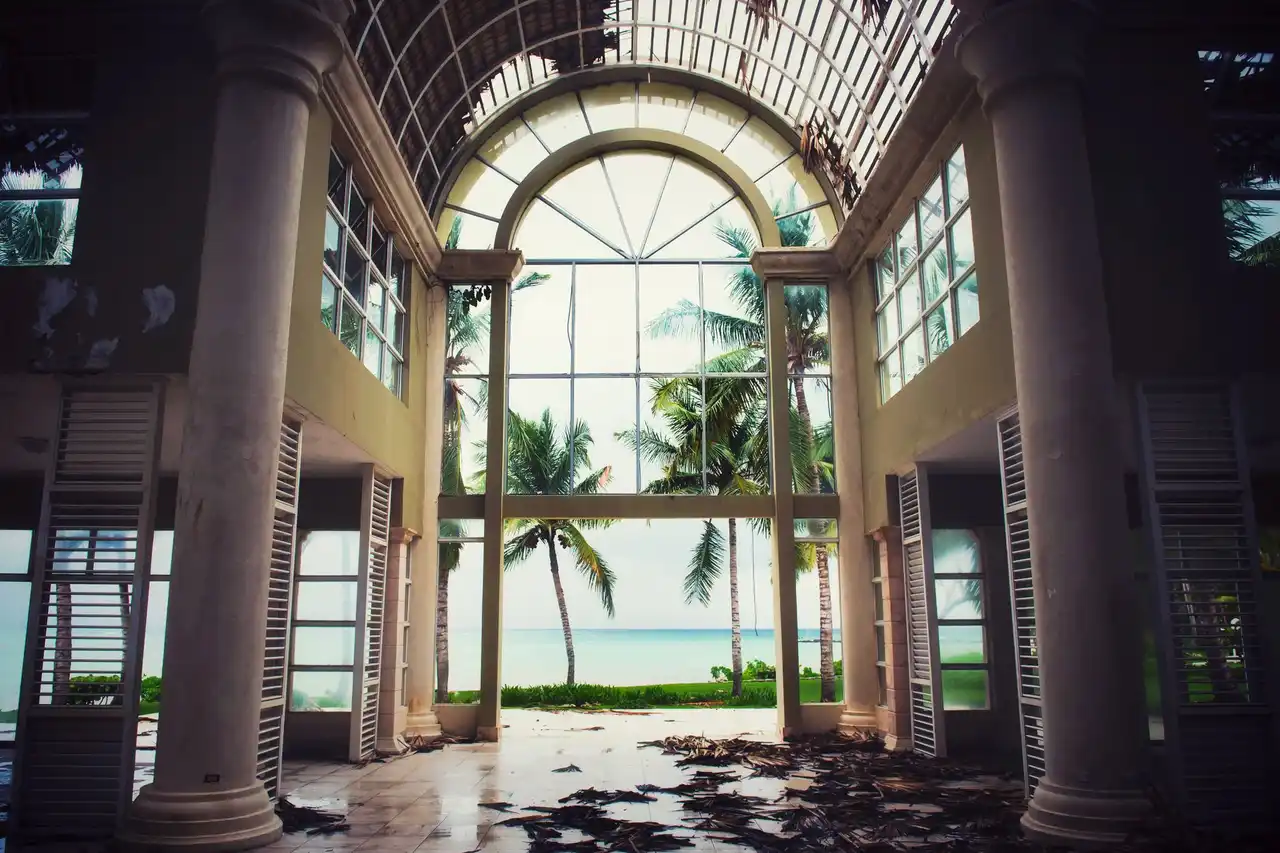
Move across a circle, or focus it and press Enter, for an illustrative thermal view of the photograph.
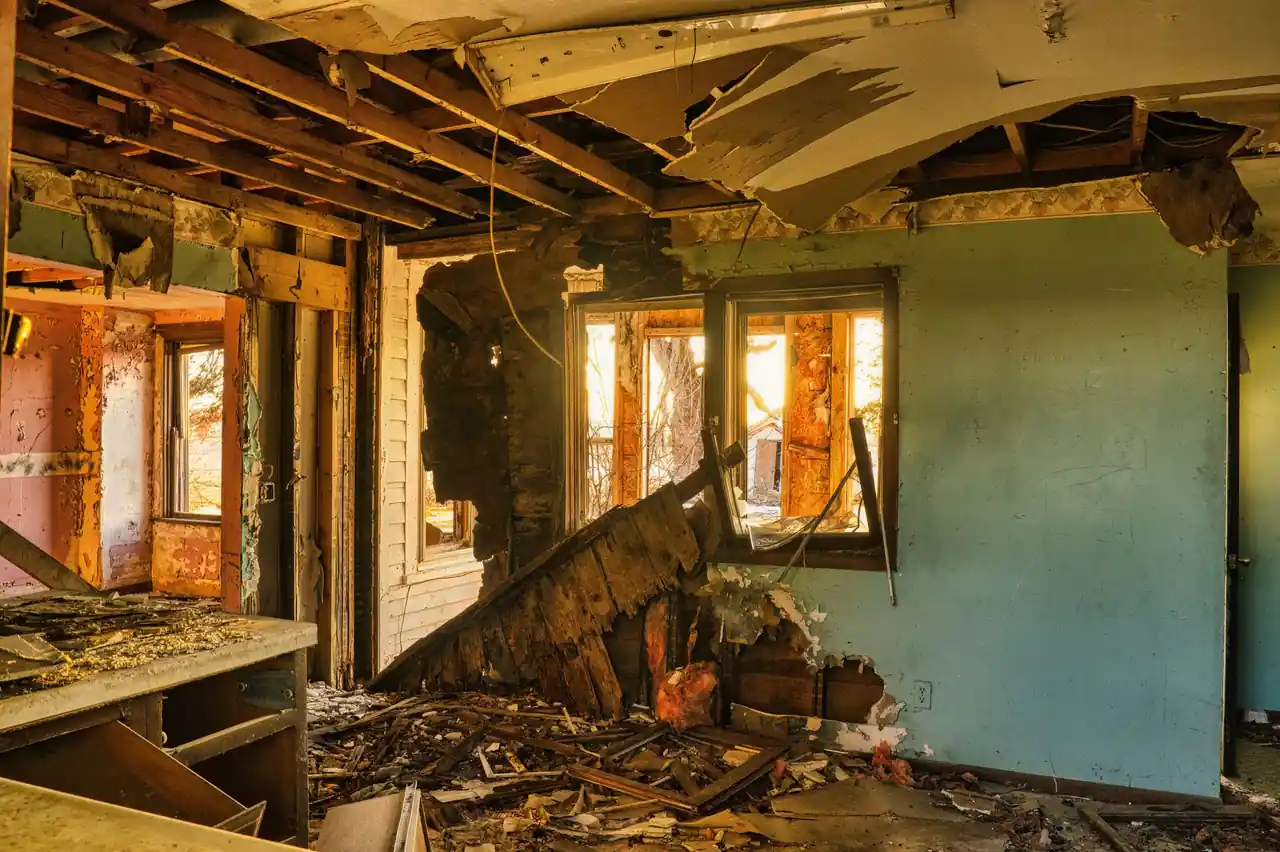
Measures moisture content in drywall, wood, and concrete to find hidden water and track drying progress.
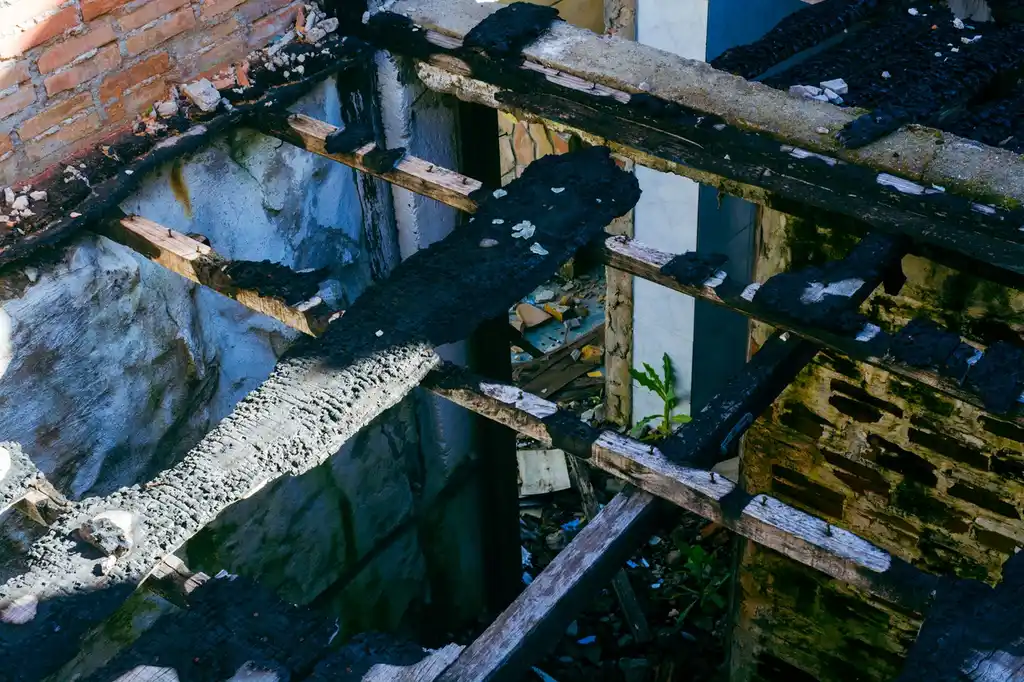
Detects temperature differences behind walls and under floors to locate water that isn't visible to the eye.
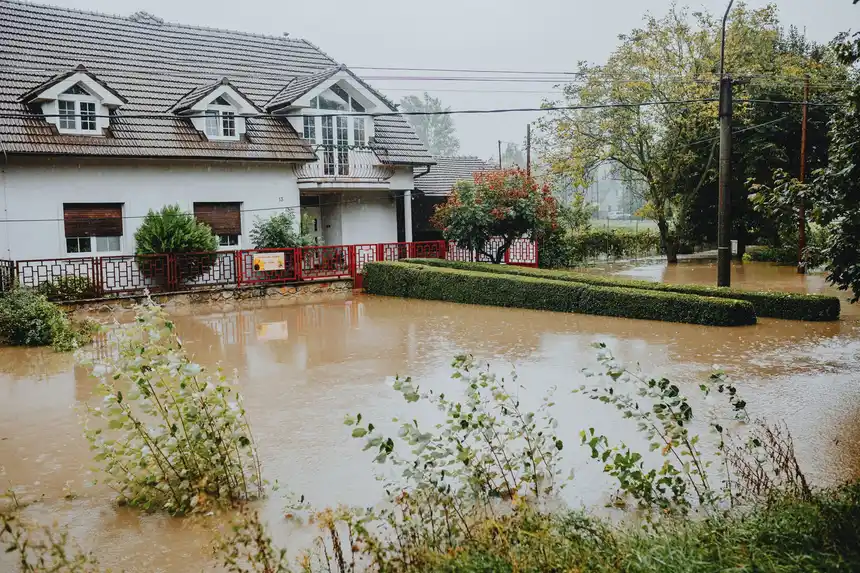
Removes standing water from carpet, hardwood, and concrete quickly. Essential for emergency response.
Circulates air across wet surfaces to speed evaporation. We position them based on moisture readings.
Pulls moisture from the air to prevent secondary damage and speed structural drying.
Thermal views are illustrative, generated from the photographs.
Measures relative humidity and dew point to confirm the structure is drying correctly.
Inspects inside wall cavities and ceiling spaces without cutting large holes.
We follow the IICRC S500 standard for water damage restoration, which defines water categories, drying goals, and documentation requirements. This ensures consistent, defensible results.
We map every wet area with moisture meters and thermal cameras, then track daily readings. This data drives equipment placement and tells us when the structure is truly dry.
For sewage backup or mold, we set containment barriers and apply EPA-registered disinfectant. We remove contaminated materials safely and document disposal.
We return daily to check hygrometer readings, adjust equipment, and document progress. You get a drying log that shows exactly how the structure is drying.
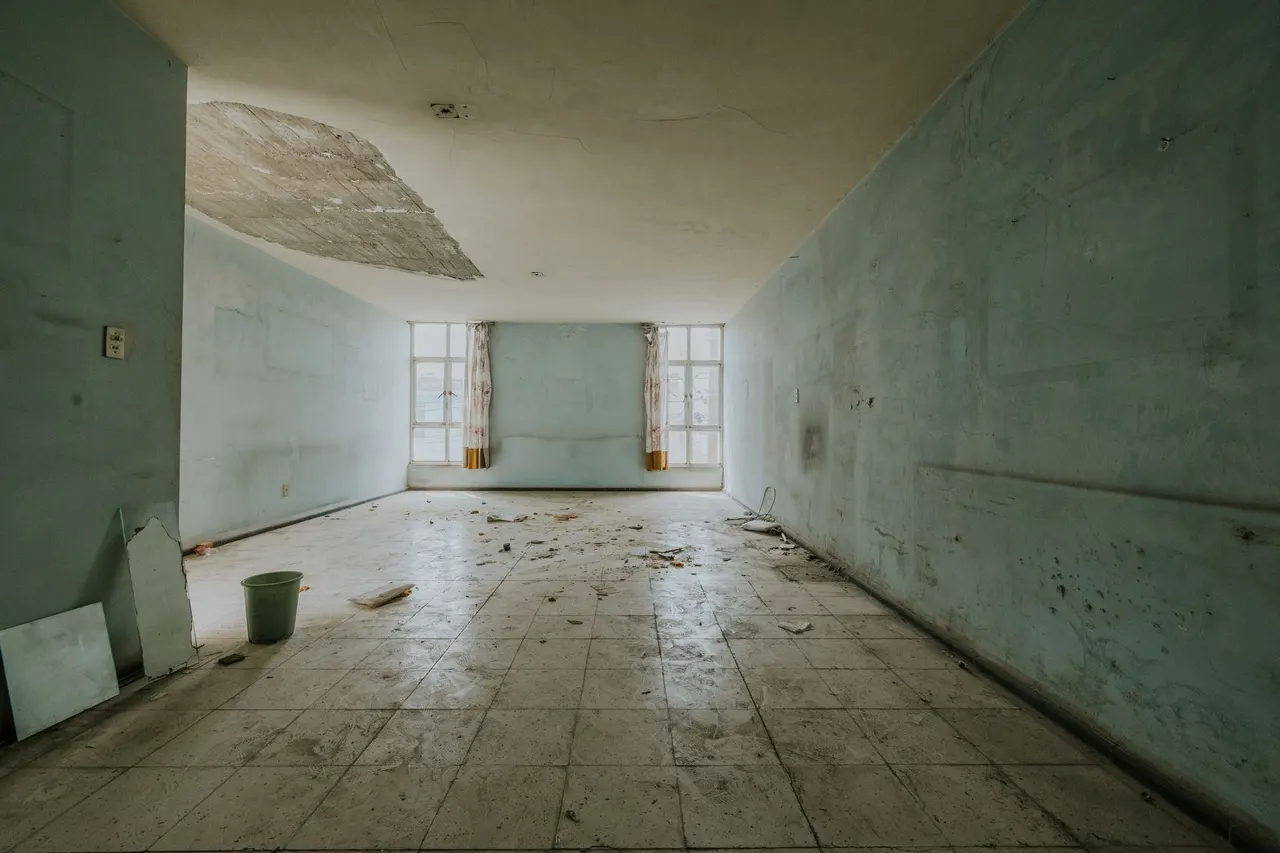
A pipe bursts in your basement during a January freeze, sending water across the floor.
We dispatch a crew with extraction units and drying equipment. We shut off the water, extract what's standing, and set air movers and dehumidifiers to dry the concrete and framing.
Outcome: Your basement dries in three to five days, and we document everything for your insurance claim.
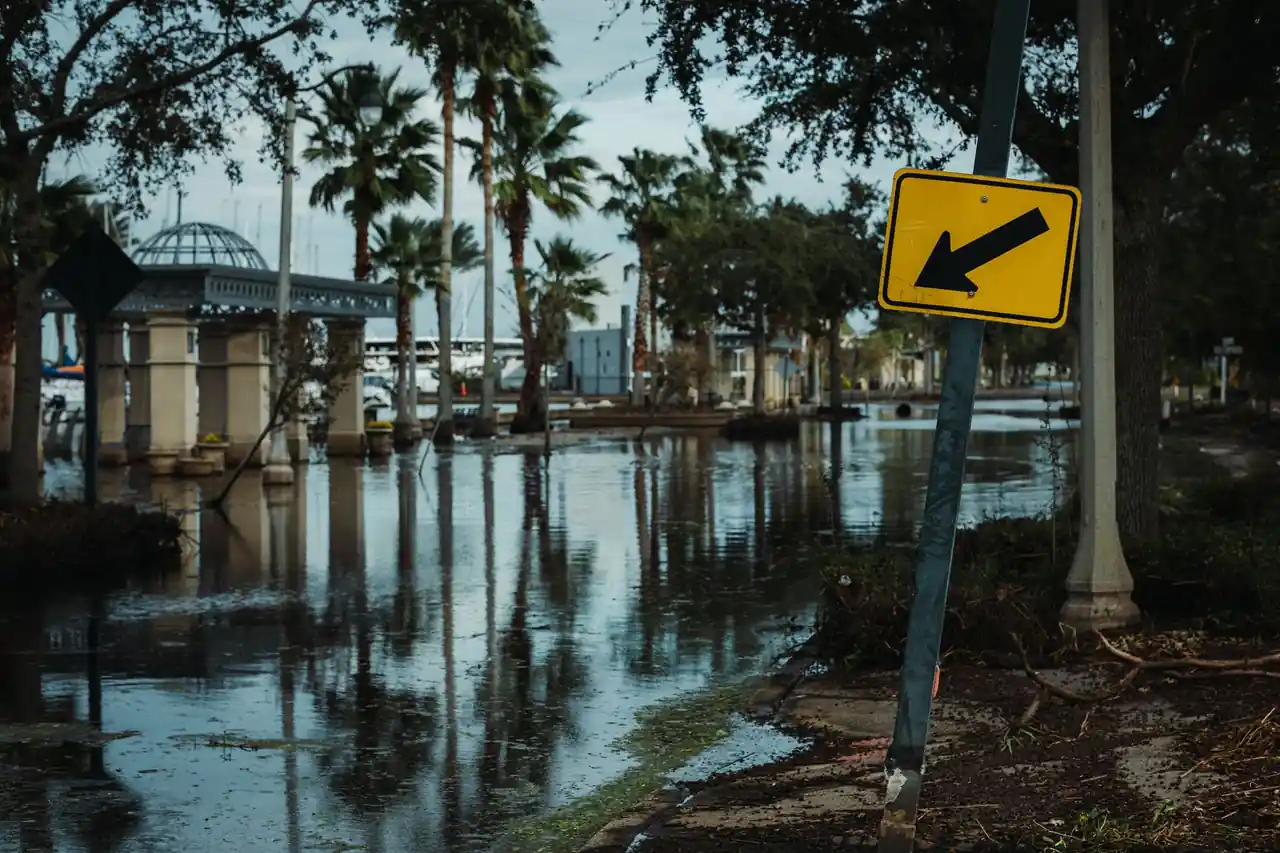
Heavy rain overwhelms your sump pump, and two inches of water cover your finished basement.
We extract the water, remove saturated carpet and padding, and dry the subfloor and drywall. We also inspect the sump pump and recommend a backup system.
Outcome: Your basement is dry and safe, and you have a plan to prevent the next flood.
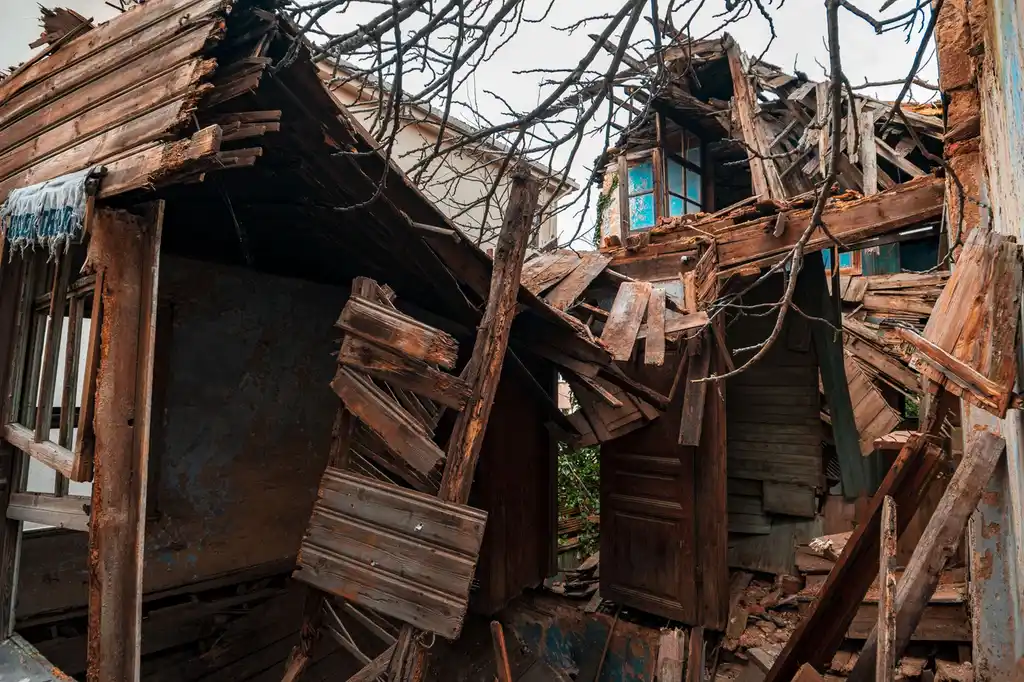
Your water heater fails overnight and soaks the hallway and closet.
We extract the water, use a thermal camera to find hidden moisture, and dry the walls and flooring. We coordinate with a plumber to replace the heater.
Outcome: Your hallway and closet are dry, and mold never gets a chance to start.
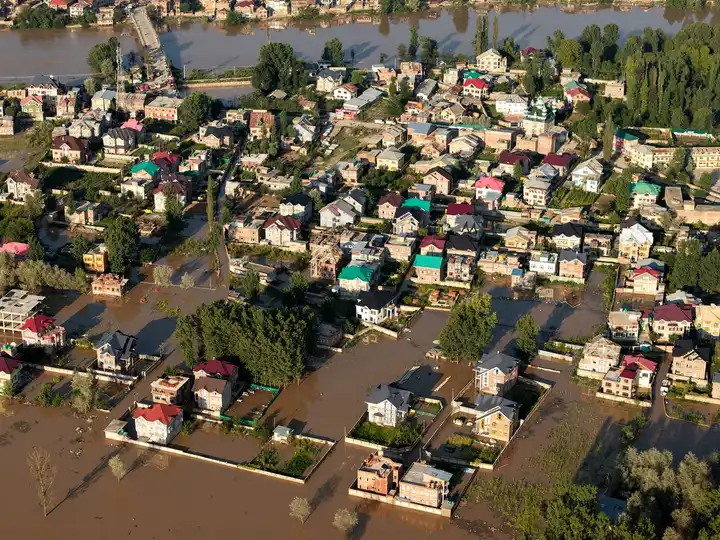
A toilet overflows on the second floor, sending water through the ceiling below.
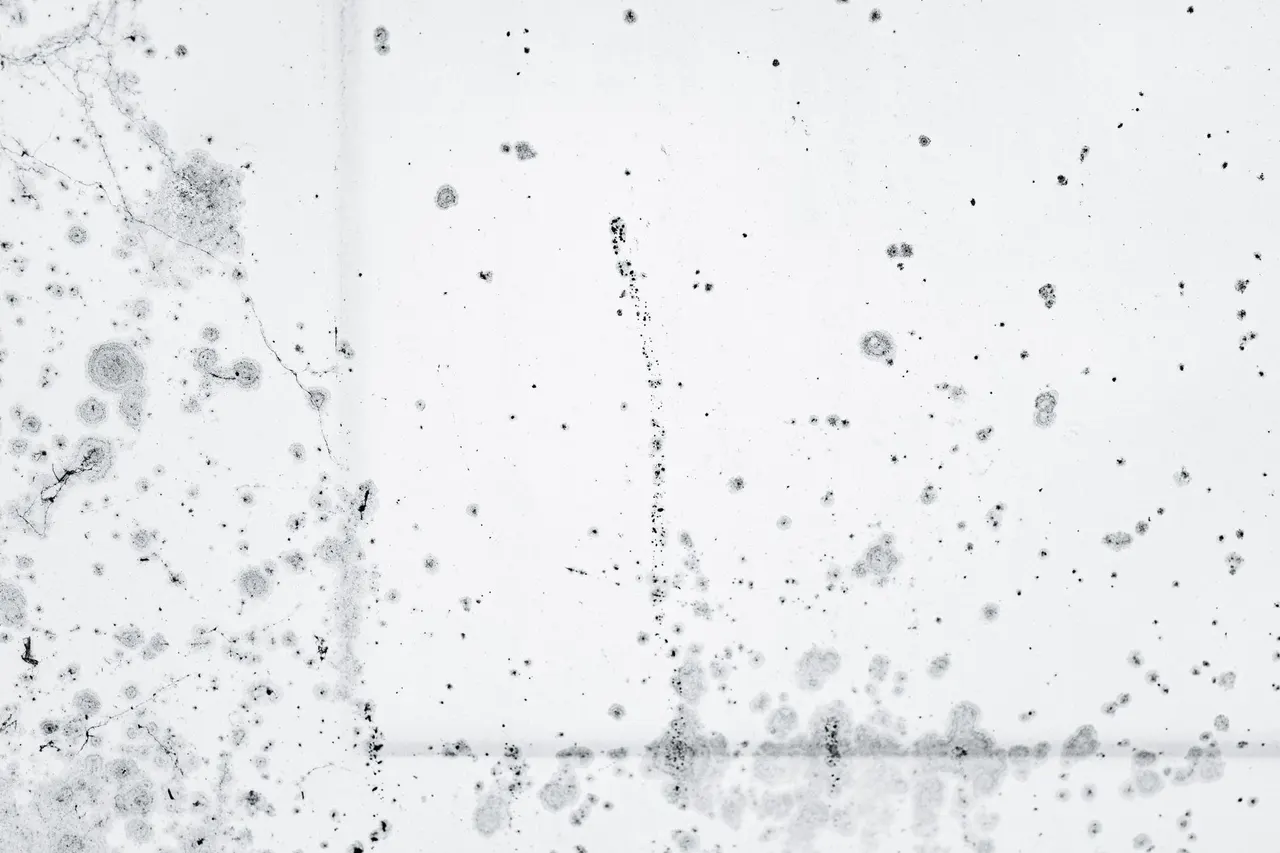
We extract the water, remove damaged ceiling drywall, and dry the ceiling cavity. We apply disinfectant and check for mold growth.
Outcome: The ceiling is dry and ready for repair, and your insurance claim is documented.
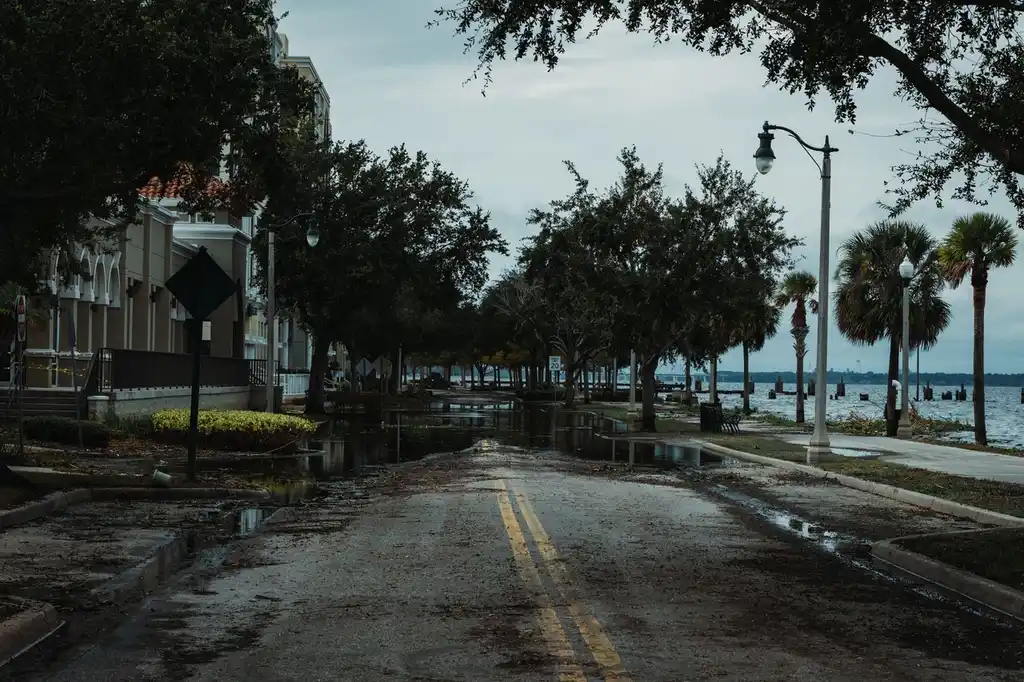
Wilmington's housing stock ranges from 19th-century rowhomes in Trinity Vicinity to mid-century single-families in West Side. Older homes often have original copper pipe and cast iron drains that fail under freeze-thaw stress. Winter temperatures drop into the teens, freezing exposed pipes in basements and crawl spaces.
Spring and summer storms drive heavy rain that overwhelms sump pumps and sends groundwater through foundation walls. We handle home water damage restoration Wilmington DE with equipment sized for these conditions. For same day residential water damage restoration Wilmington DE, we prioritize active water loss and dispatch immediately.
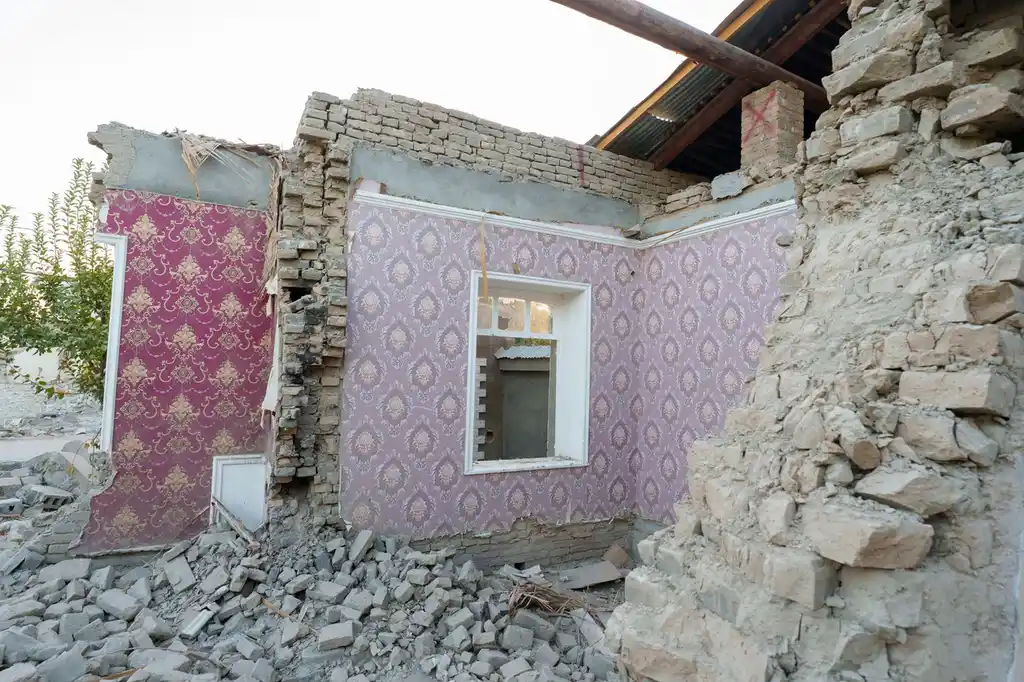
Before: A supply pipe burst under the kitchen sink, sending water across the hardwood floor and into the basement ceiling. The homeowner called us at 6 a.m. after discovering the leak.
After: We extracted 15 gallons of standing water, set 6 air movers and 2 dehumidifiers, and dried the structure in four days. Moisture readings returned to dry standard, and the hardwood was saved.
We recommended pipe insulation on the exposed supply line and an annual plumbing inspection to catch corrosion early.
Before: Heavy rain overwhelmed the sump pump, sending three inches of water into a finished basement. Carpet, padding, and drywall were saturated, and mold was starting behind the baseboards.
After: We extracted the water, removed the carpet and padding, treated the drywall with EPA-registered disinfectant, and dried the space in five days. The mold was remediated, and the basement was ready for new flooring.
We installed a backup sump pump and recommended a quarterly pump test before storm season.
Before: A 50-gallon water heater failed overnight, soaking the hallway, closet, and adjacent bedroom carpet. The homeowner noticed the leak when they woke up to a wet floor.
After: We extracted the water, used a thermal camera to find hidden moisture in the walls, and dried the structure in three days. The drywall and carpet were saved, and we coordinated with a plumber to replace the heater.
We recommended an annual water heater flush and a drip pan with a moisture alarm to catch future leaks early.
From burst pipes to basement flooding, we handle the water damage scenarios Wilmington homeowners face most. Here's what we fix and why it matters.
A dry home, documented for insurance, without guesswork.
Water spreads fast through drywall and plywood. We dispatch within hours of your call, extract standing water, and set drying equipment the same day. That speed limits secondary damage and gives your insurance adjuster a clear picture of the loss from the start.
We use thermal imaging cameras and moisture meters to find hidden water behind tile and under hardwood. You get a documented drying log with daily readings, not guesswork.
We work with most major carriers and document the loss with photos, moisture maps, and equipment logs. You don't have to chase paperwork while your home is wet. We explain what's covered, what's not, and help you file a clean claim for home water damage restoration Wilmington DE.
We know Wilmington's housing stock, from Brandywine Village rowhomes to West Side single-families. We know where groundwater intrudes, which sump pumps fail, and how Delaware's freeze-thaw cycles stress PEX piping and copper supply lines. That local experience means fewer surprises and faster drying.
What a written scope covers and what shapes it. Prices are set by the business after the first look.
Included
Depends on
Clear records you can keep and share.
Daily moisture readings and equipment notes
Before and after photos of affected areas
Diagram of wet areas and drying progress
Record of equipment used and placement
Not all water damage is the same. The category determines how we handle cleanup and what materials can be saved.
Clean water from a safe source
Gray water with some contamination
Black water with harmful bacteria
A list like this tells people straight away whether you cover their street. Not listed? Call and ask: it only takes a minute.
Based in Wilmington and covering the places around it. Pick one for local details.
Sewage backup or flooding across multiple rooms pushes higher. We provide a written estimate before work begins and bill your insurance directly when covered.
First, stop the water source if you can safely reach the shut-off valve. Then call us at (302) 775-0748. Move furniture and electronics off wet carpet, but don't use a household vacuum on standing water. Don't run your HVAC system if you suspect mold. We'll walk you through immediate steps and dispatch a crew with extraction and drying equipment.
Extraction takes one to three hours. Structural drying typically runs three to five days, with daily monitoring. If drywall or hardwood needs replacement, add two to four days for repairs. Total timeline for a typical Wilmington home is five to ten days from emergency call to final moisture check. We give you a day-by-day schedule after inspection.
Most homeowners policies cover sudden and accidental water damage, like a burst pipe or water heater leak. Flood damage from heavy rain or groundwater intrusion usually requires separate flood insurance. We document the loss with photos and moisture maps, bill your carrier directly, and explain what's covered before work starts so there are no surprises.
Other services from the same team.
Water spreads fast. Every hour you wait, mold gets closer and repair costs climb. Call Wilmington AquaRestore at (302) 775-0748 for same-day emergency service. We'll extract the water, dry your home, and document everything for your insurance claim.
Call (302) 775-0748 any time, day or night. If you prefer email, send photos and details to info@wilmingtonaquarestore.com and we will follow up with next steps.