For Homes
We handle water in houses, rowhouses and apartments. You get a walk-through, moisture readings and a clear plan before we start.
- Burst pipe under sink
- Basement flooding after storm
- Water heater leak in closet
Water Damage Mitigation Wilmington DE is the first call when a pipe bursts, a water heater fails or a storm pushes water into your basement. Our team arrives with extraction units and drying equipment, shuts off the source, and starts pulling moisture out of floors, walls and ceilings. We serve homeowners and property managers across New Castle County, and we document every step for your insurance claim.
 Check moistureMap the spreadStart drying
Every mitigation job starts with a written scope so you know what is covered before we begin. The items below are standard on most Wilmington jobs. If your situation needs something beyond this list, we explain it and price it before we proceed.
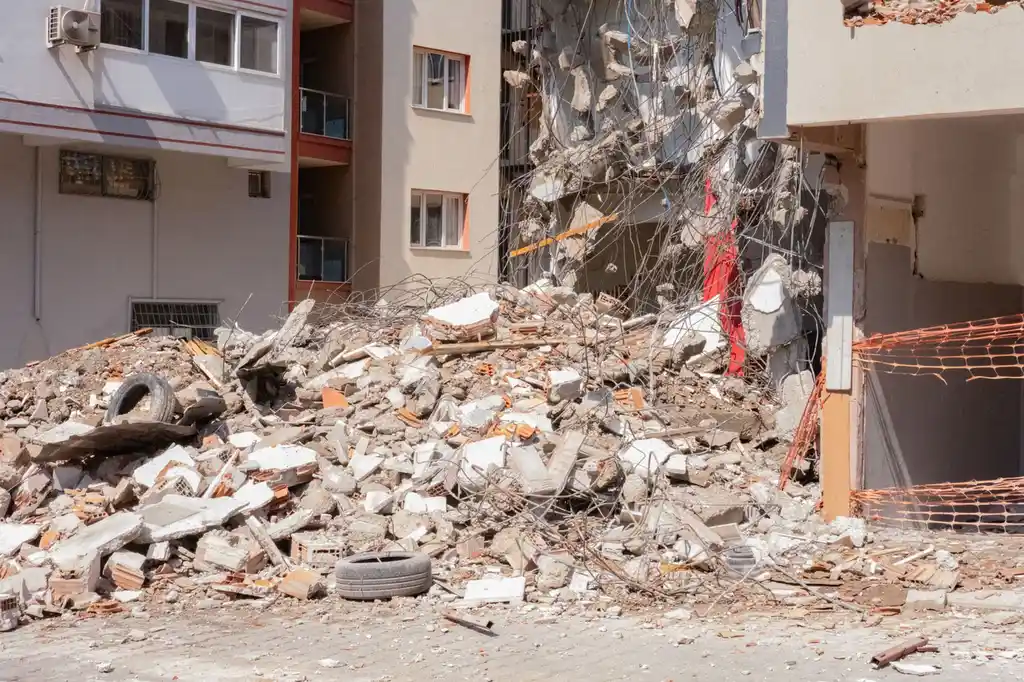
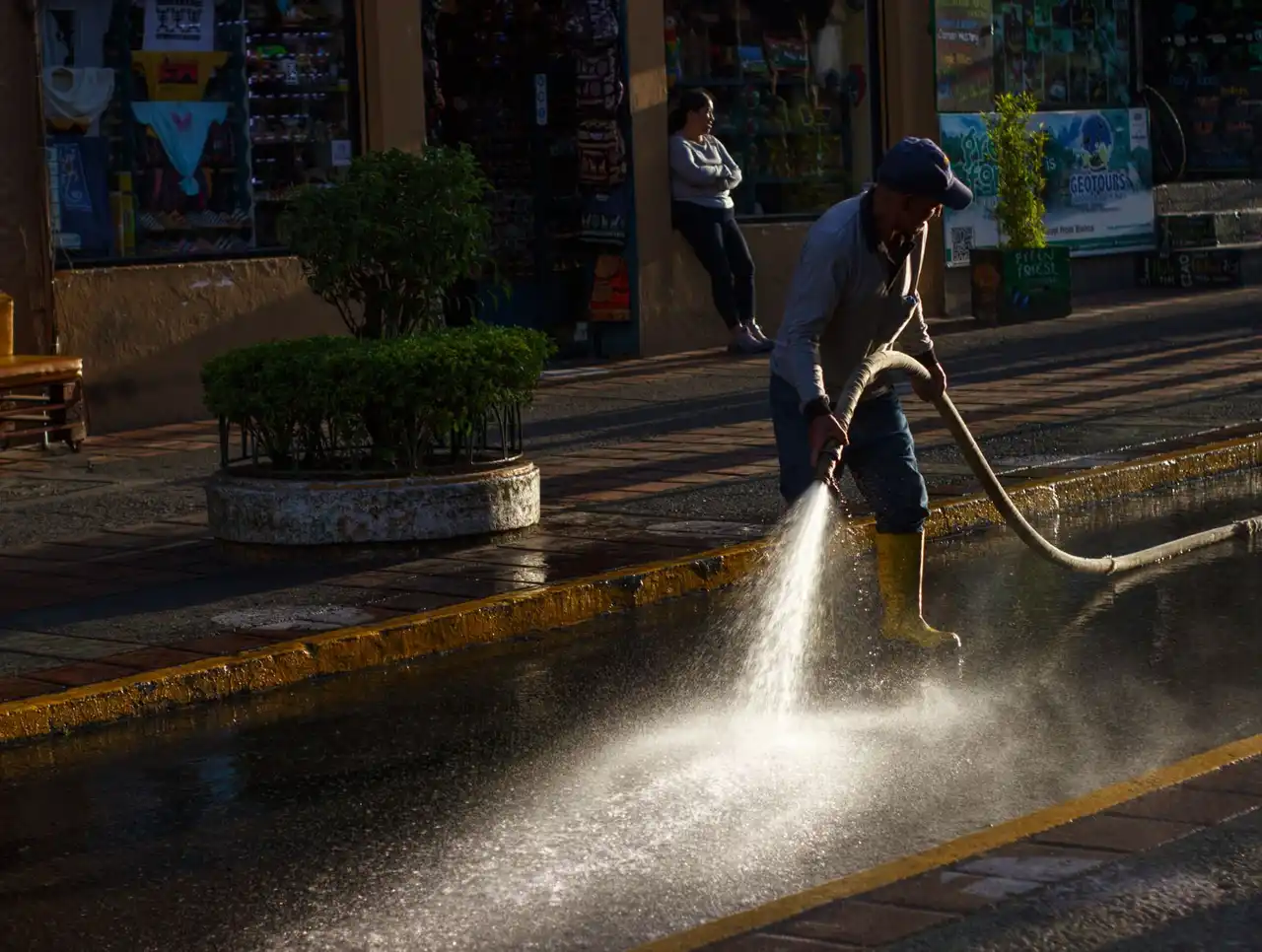
We remove standing water from floors, carpets and cavities using truck-mounted extraction units and wet/dry vacuums. Extraction is the first physical step and usually takes one to three hours depending on how much water is present.
We use moisture meters, thermal imaging cameras and a hygrometer to map how far water traveled. You get photo documentation and daily readings that support your insurance claim.
Air movers and dehumidifiers are placed based on the moisture map and sized to the square footage. We check readings daily and adjust equipment placement until the structure reaches dry standard.
For contaminated water like sewage backup or toilet overflow, we apply antimicrobial treatment before and after extraction. This reduces the chance of mold and bacteria growth in the affected area.
We do not remove equipment until hygrometer readings match the dry standard for each material. You receive a final drying report with readings, photos and completion notes for your records.
The approach is the same for a home and a business. What changes is the access, the schedule and who needs the paperwork.
We handle water in houses, rowhouses and apartments. You get a walk-through, moisture readings and a clear plan before we start.
We work in offices, retail and multi-unit buildings. We schedule around business hours and document everything for your property manager.
A plain-language look at what Water Damage Mitigation involves and when it is needed.
See how it worksWater Damage Mitigation Wilmington DE is the controlled process of stopping water at its source, removing standing water, and drying the structure before secondary damage sets in. It is not just shop-vac work. We use moisture meters and thermal imaging cameras to trace water behind tile, under hardwood and inside wall cavities. Then we position air movers and dehumidifiers to pull moisture out of the air and materials. The goal is simple: get readings back to dry standard before mold has a chance to colonize.
In Wilmington, water damage usually comes from three directions: plumbing failures inside older homes, groundwater pushing through basements after heavy rain, and storm-driven roof leaks. The city's housing stock includes plenty of century-old rowhouses with original copper pipe and cast-iron drains, and those systems fail in predictable ways. If you search for water damage mitigation near me Wilmington, you want a crew that knows how these buildings behave. We do, because we work in them every week.
Find the water, measure how far it spread, dry it to standard, document every step.
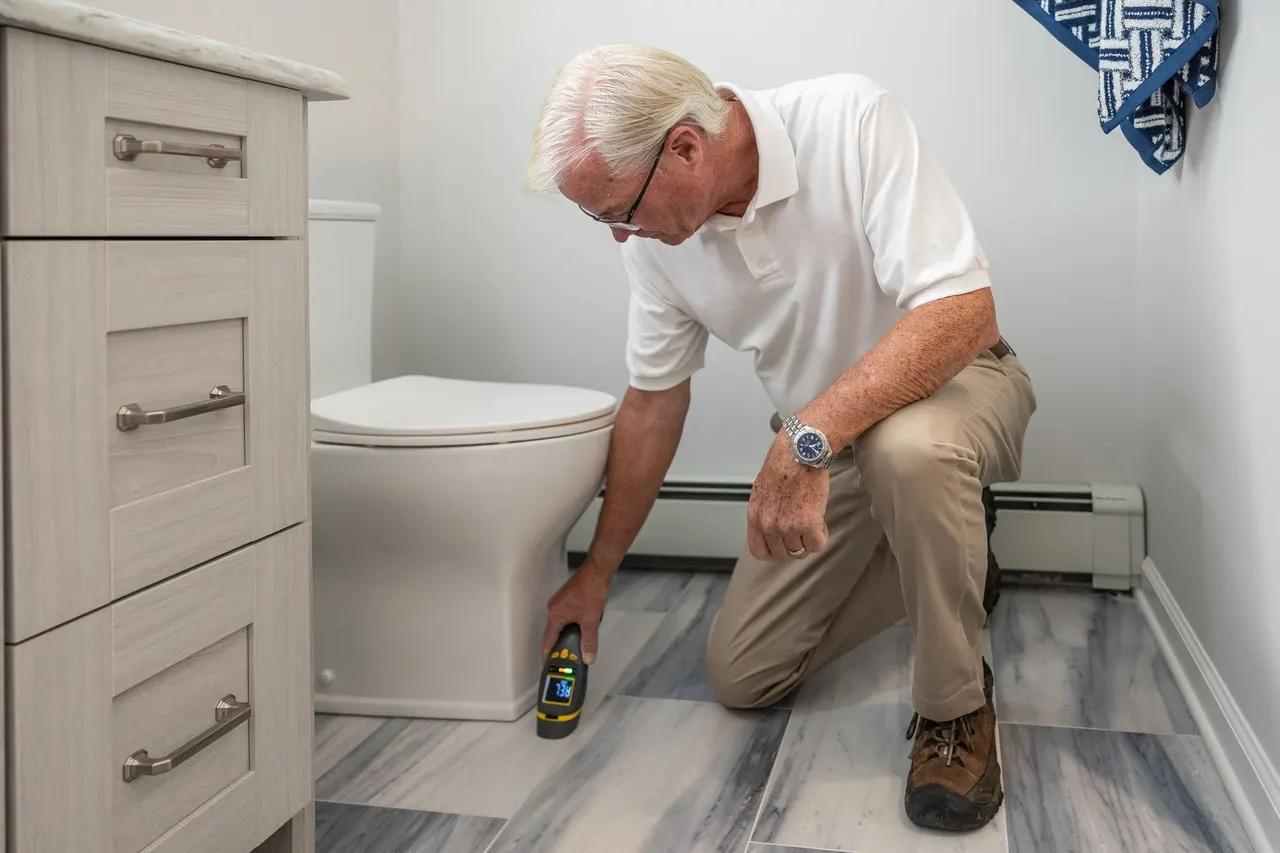
Every job follows the same five steps, whether it is a toilet overflow in Trolley Square or a flooded basement in Southbridge. Here is exactly what happens from the moment you call.
When you call, we ask what happened, where the water is, and whether the source is still running. We walk you through shutting off the nearest valve or breaker if it is safe. Then we dispatch the closest crew and give you an arrival window. You get a text when the technician is on the way.
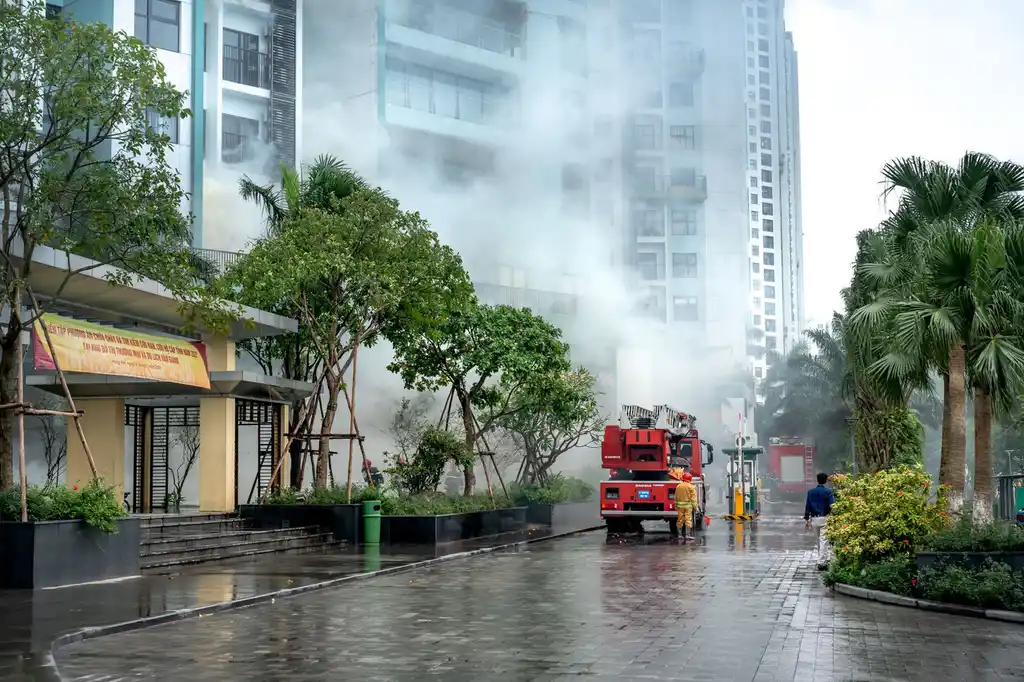
The crew walks the affected area with you, confirms the water source, and takes initial moisture readings. We check for hidden migration using a thermal imaging camera and a boroscope camera in wall cavities. You get a plain-language explanation of what we found and what we plan to do.
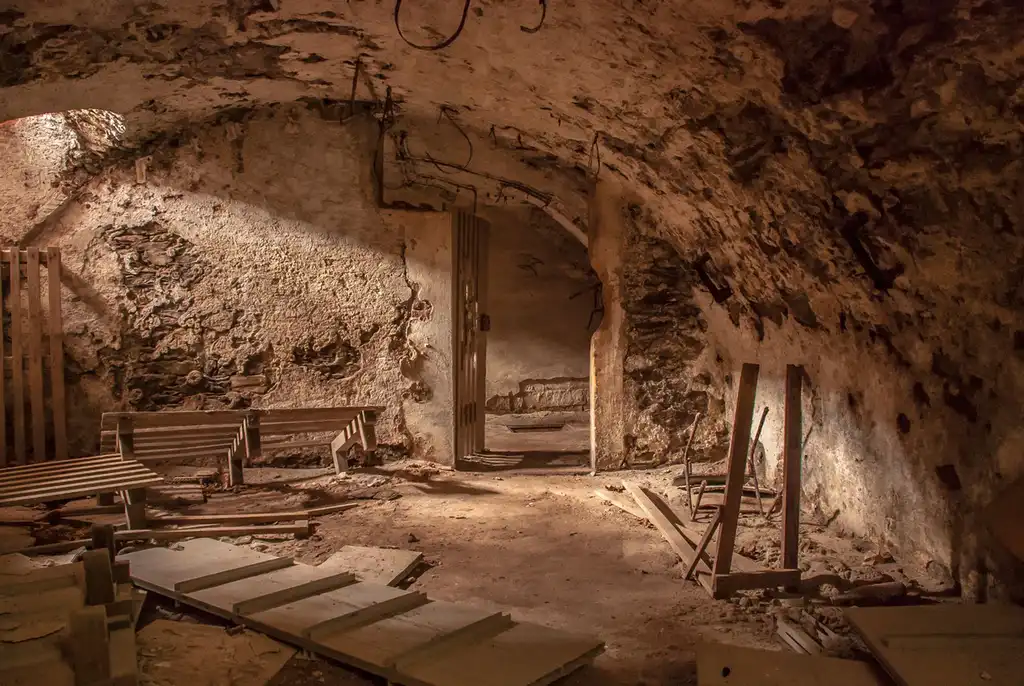
Standing water comes out first. We use truck-mounted water extraction units and wet/dry vacuums for smaller pockets. For sewage backup or toilet overflow, we apply an antimicrobial treatment before extraction. Extraction usually takes one to three hours depending on volume.
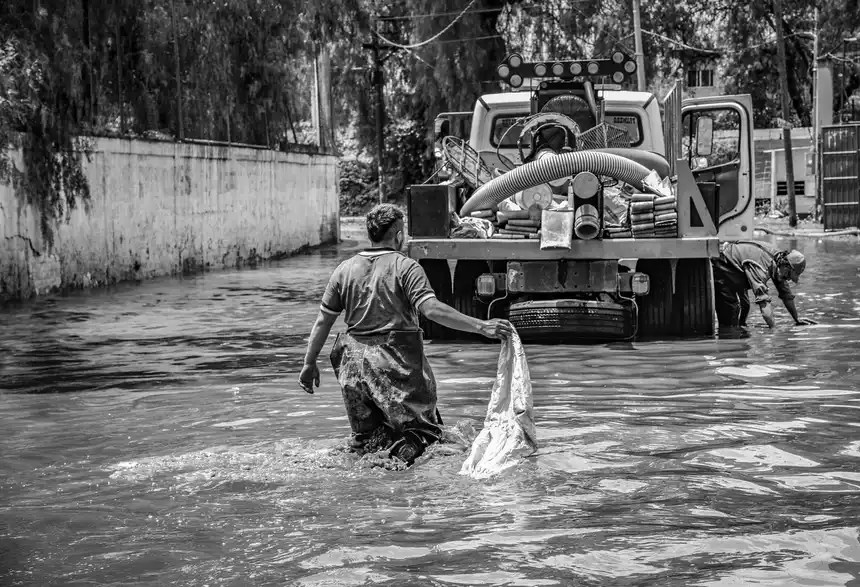
We place air movers and dehumidifiers based on the moisture map, not a guess. Dri-Eaz and Phoenix Restoration Equipment units run continuously, and we check readings daily with a hygrometer. Most residential jobs dry in three to five days. You get a daily update on progress.
When readings match the dry standard, we remove equipment and take final photos. You receive a drying report with daily readings, equipment placement and completion notes. If reconstruction is needed, we explain what comes next and can coordinate with your contractor.
Move across a circle, or focus it and press Enter, for an illustrative thermal view of the photograph.
Shows temperature differences that reveal hidden moisture behind walls, under floors and above ceilings without opening anything up.
Measures moisture content in materials and humidity in the air. We use readings to set drying goals and verify when the structure is dry.
Dri-Eaz and Phoenix Restoration Equipment units move air across wet surfaces and pull moisture out of the air. We size the count to the job.
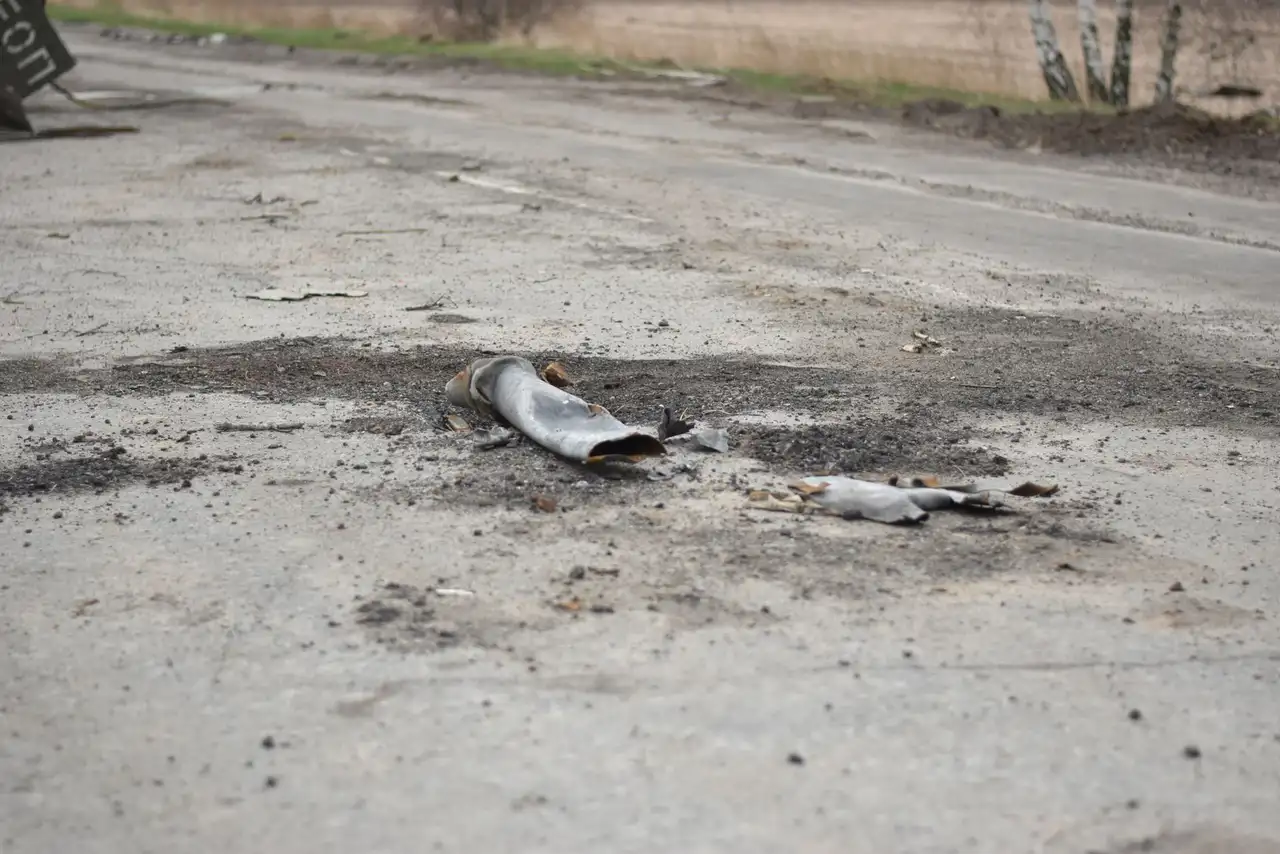
Truck-mounted and portable units remove standing water from carpet, hardwood and concrete. Faster extraction means faster drying.
A small camera on a flexible probe lets us look inside wall cavities and under cabinets without cutting a large opening.
Thermal views are illustrative, generated from the photographs.
Shop-Vac and RIDGID units handle small pockets of water in corners, closets and tight spaces where larger equipment will not fit.
The S500 standard defines how water damage restoration should be performed, including drying goals, equipment placement and documentation. We follow it on every job so our work is consistent and defensible for insurance claims.
We map the moisture boundary with meters and thermal imaging before cutting any drywall. This keeps removal limited to wet materials and reduces reconstruction cost.
We take hygrometer and moisture meter readings every day and log them. If a room is not drying as expected, we adjust equipment placement or add units rather than waiting.
Clean water, gray water and sewage backup each require different handling. We identify the category first, then choose extraction, treatment and disposal methods that match the contamination level.
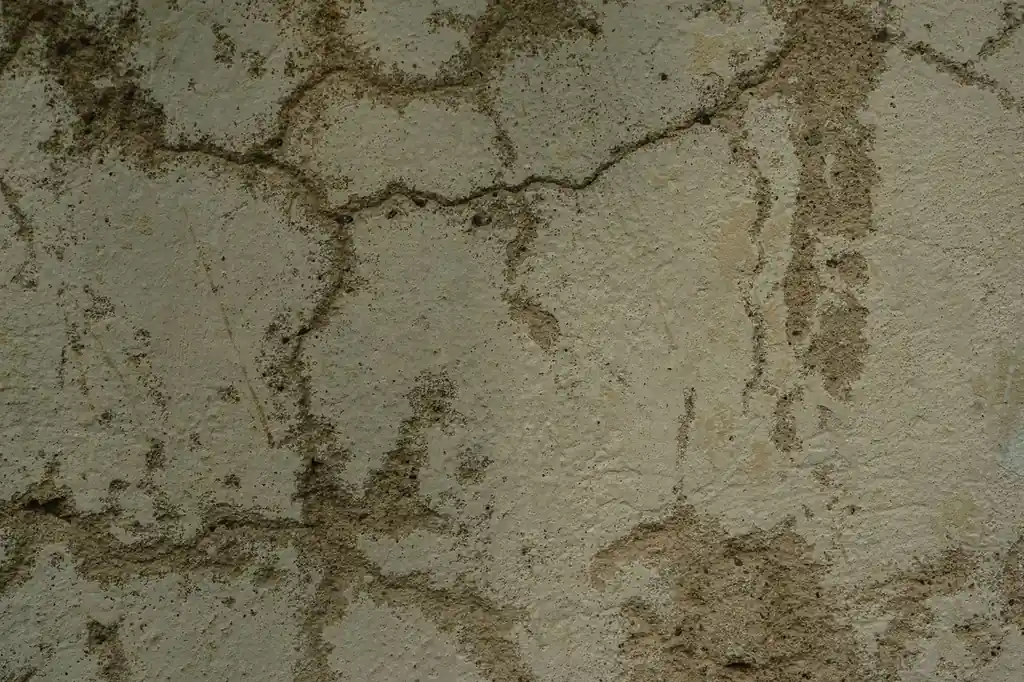
A pipe bursts in a Wilmington rowhouse on a Sunday morning and water is spreading across the kitchen floor.
We dispatch a crew within 60 to 90 minutes, shut off the water, and start extraction. Air movers and dehumidifiers go down the same day.
Outcome: The kitchen and hallway are dry in three to four days, and only the saturated drywall section is removed.
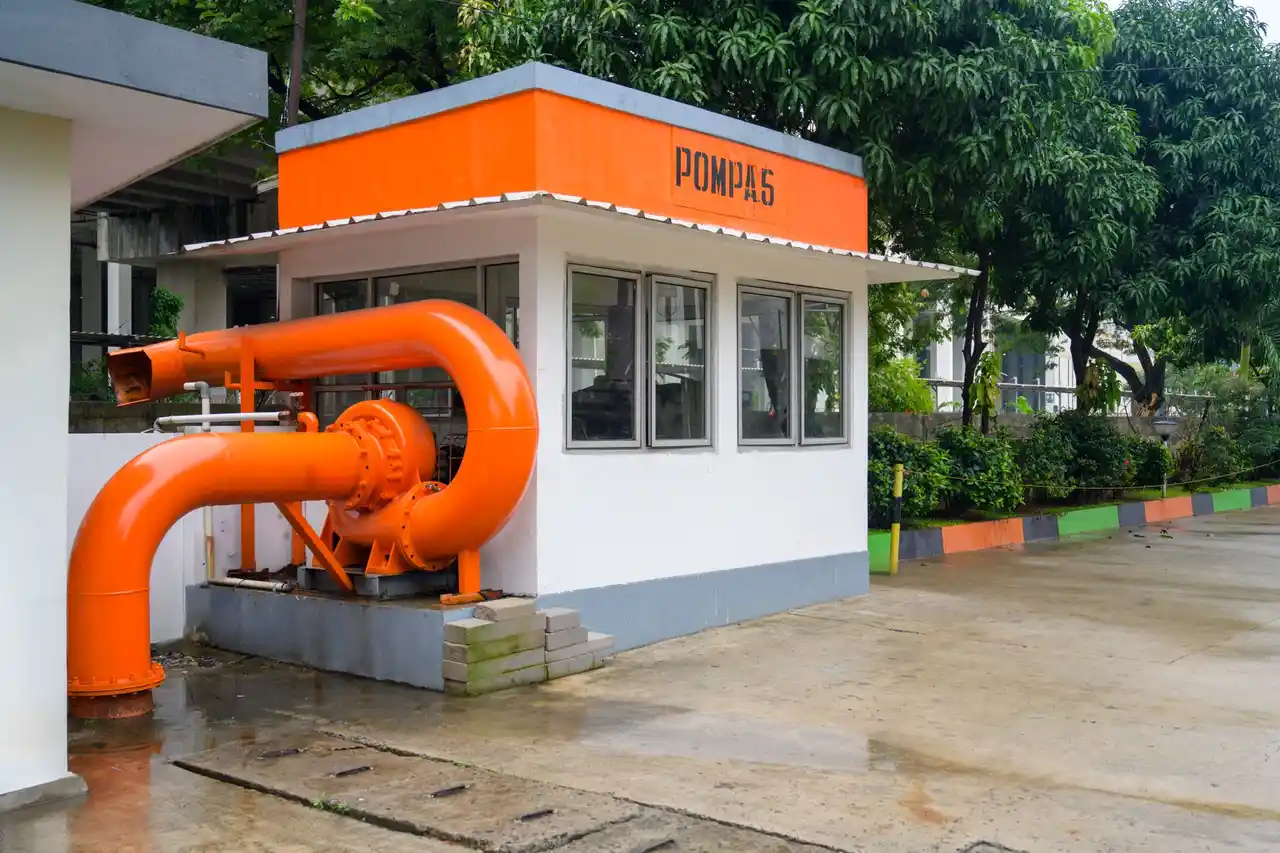
Heavy rain overwhelms a sump pump in a Southbridge basement, leaving two inches of water across the floor.
We pump out the water, extract the rest, and check the sump pit and pump. Drying equipment runs for four to five days, and we document the flood for your insurance claim.
Outcome: The basement is dry, the pump is replaced, and you have a clear report showing what happened and what was damaged.
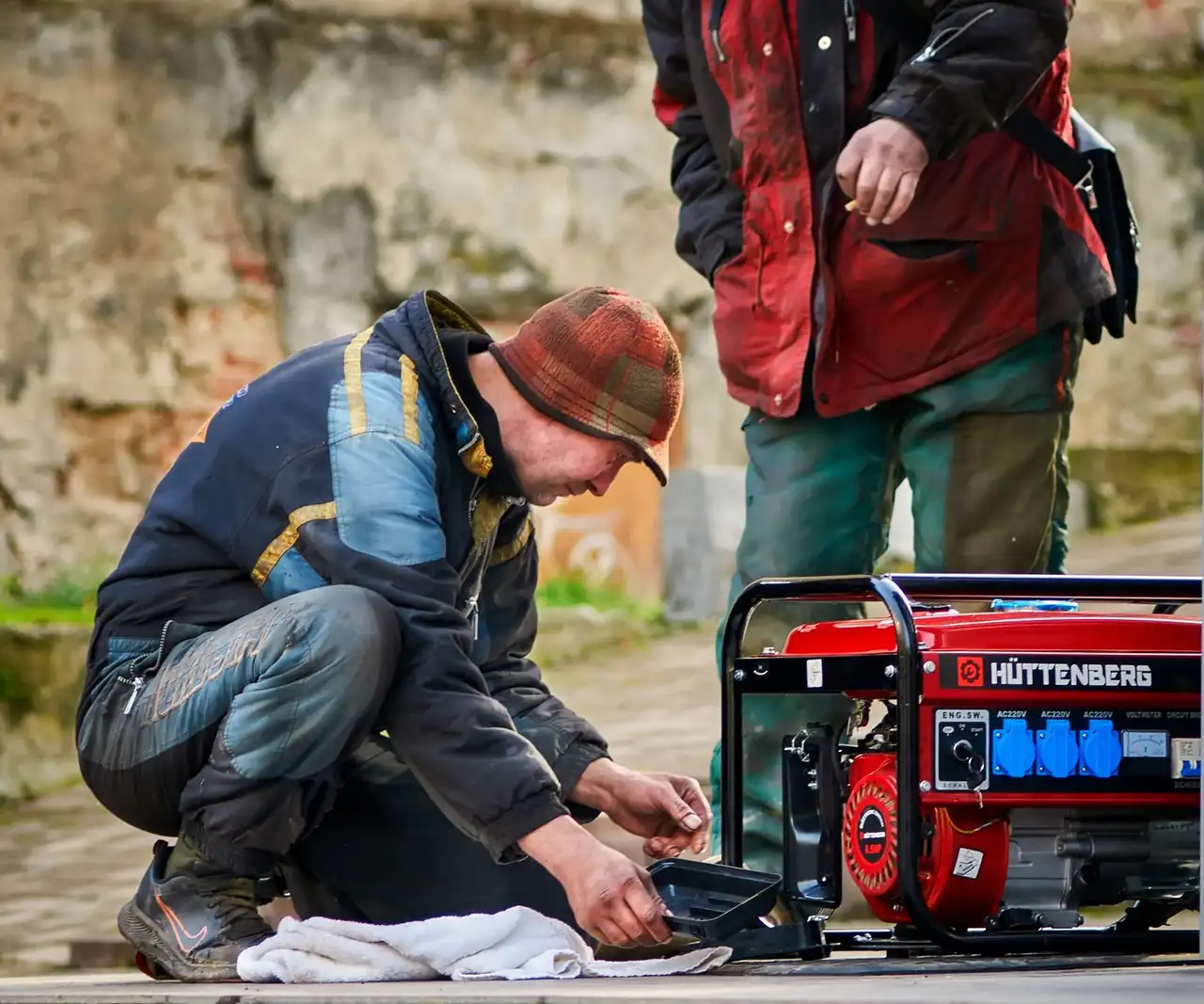
A water heater in a Trolley Square apartment fails overnight and soaks the carpet and subfloor.
We extract the water, pull up the carpet, and dry the subfloor with air movers and a dehumidifier. We check the surrounding walls for moisture migration and document everything.
Outcome: The subfloor dries in three days, and the carpet is replaced without touching the walls or baseboards.
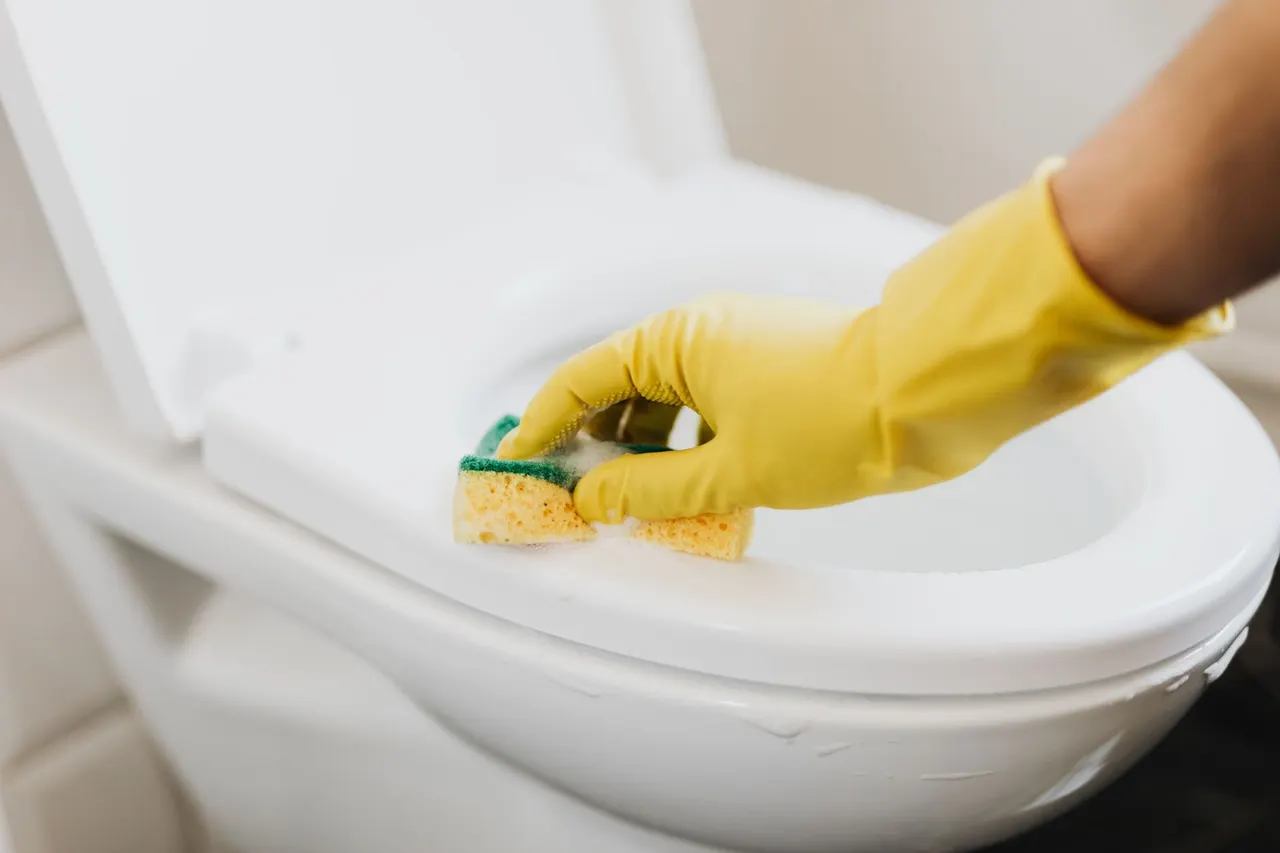
A toilet overflows on the second floor of a home in The Highlands and water drips through the ceiling below.
We extract water from both floors, open the ceiling cavity to dry the framing, and apply antimicrobial treatment. Daily readings track progress until both levels reach dry standard.
Outcome: The ceiling cavity dries in four days, and only the damaged drywall section is replaced during reconstruction.
Wilmington's housing stock ranges from 1800s rowhouses to newer riverfront construction, and each type fails differently. Older homes in The Highlands and Trinity Vicinity often have original copper pipe that corrodes from the inside and cast-iron drains that back up during heavy rain. Newer buildings use PEX piping, which is more freeze-resistant but still fails at fittings.
Our climate matters too: winters regularly drop below freezing, and frozen pipe calls spike in January and February. Spring and summer storms push groundwater through basements in Southbridge and Browntown, where the water table rises fast. We approach every professional water damage control in Wilmington Delaware job with the same method: find the source, map the moisture, extract, dry and verify.
If you need same day water damage mitigation Wilmington DE, call us and we will tell you what to do while the crew is on the way.
Before: A supply line under the kitchen sink split overnight and released water across the kitchen, hallway and basement ceiling. The homeowner found standing water at 6 a.m. and called us immediately.
After: We extracted 40 gallons, removed 12 square feet of saturated drywall, and dried the structure in four days. Moisture readings returned to dry standard on day four, and the repair was limited to one small section.
We recommended replacing the remaining original copper supply lines under the sink with PEX to prevent a repeat failure. The homeowner scheduled the swap with a plumber the following week.
Before: A spring storm knocked out power for six hours, and the sump pump never restarted. The basement took on two inches of water, soaking stored boxes, a water heater and the bottom of the drywall.
After: We pumped out the water, extracted the rest, and dried the basement in five days. The water heater was replaced, and the drywall was cut to 12 inches above the water line and replaced during reconstruction.
We installed a battery backup sump pump and recommended a yearly test before storm season. The homeowner now checks the pump every spring.
Before: A second-floor toilet overflowed when a fill valve failed, sending water through the bathroom floor and into the ceiling below. The ceiling showed a water stain within an hour.
After: We extracted water from both floors, opened the ceiling cavity to dry the framing, and applied antimicrobial treatment. Both levels reached dry standard in four days, and only the stained drywall section was replaced.
We suggested replacing the toilet fill valve and checking the shutoff valve yearly. The homeowner now shuts off the water before leaving for extended trips.
Most water damage calls fall into a handful of patterns. Here is what we see most often in Wilmington and how we handle each one.
A dry structure, documented readings and a clear path to repair.
We schedule emergency water damage mitigation Wilmington DE calls seven days a week. Most Wilmington addresses get a crew on site within 60 to 90 minutes of your call. That speed matters because mold can begin growing on wet drywall in 24 to 48 hours.
We do not guess where water traveled. Thermal imaging cameras and pin-type moisture meters show us exactly how far the moisture spread. That means we remove only the drywall that is actually wet, which saves you money on reconstruction.
Every professional water damage mitigation Wilmington Delaware job includes photo logs, moisture readings and daily drying reports. We send those directly to your adjuster. Clear records help claims move faster and reduce back-and-forth about what was wet and when.
We do not pack up when the floor looks dry. We take hygrometer readings in each affected room and compare them to a dry standard for the same material. You get a written drying log showing the numbers before we remove equipment.
What a written scope covers and what shapes it. Prices are set by the business after the first look.
Included
Depends on
Clear records you can keep and share.
Images of affected areas before and after
Daily readings for each affected room
Final readings and completion notes
Written summary of work performed
Not all water damage is the same. The category determines how we extract, treat and dispose of materials.
Clean water from a supply line
Gray water with some contamination
Black water, highly contaminated
A list like this tells people straight away whether you cover their street. Not listed? Call and ask: it only takes a minute.
Based in Wilmington and covering the places around it. Pick one for local details.
A single-room toilet overflow might land near the low end, while a flooded basement with sewage backup pushes higher. Emergency after-hours calls and mold treatment add cost. We give you a written scope and price before work starts.
Water damage mitigation is the process of stopping the water source, extracting standing water, and drying the structure to prevent mold and further damage. It includes moisture mapping, equipment placement, daily monitoring and final verification. It is different from reconstruction, which repairs what was damaged after drying is complete. Most mitigation jobs take three to five days.
We aim to have a crew on site within 60 to 90 minutes for emergency water damage mitigation Wilmington DE calls. Response time depends on traffic and where the crew is coming from, but we text you an arrival window when we dispatch. Starting extraction within the first few hours limits how far moisture spreads and reduces the chance of mold growth.
Most homeowner policies cover sudden and accidental water damage, including burst pipes, water heater failures and appliance leaks. Flood damage from rising groundwater usually requires separate flood insurance. We document moisture readings, photos and daily drying logs so your adjuster has what they need. We bill most major carriers directly and can explain what your policy likely covers.
Other services from the same team.
Water spreads fast. We answer the phone, dispatch a crew and start extraction the same day. Call (302) 775-0748 and we will tell you exactly what to do while we are on the way.
Call (302) 775-0748 any time, day or night. If you prefer email, send photos and details to info@wilmingtonaquarestore.com and we will follow up with next steps.