For Homes
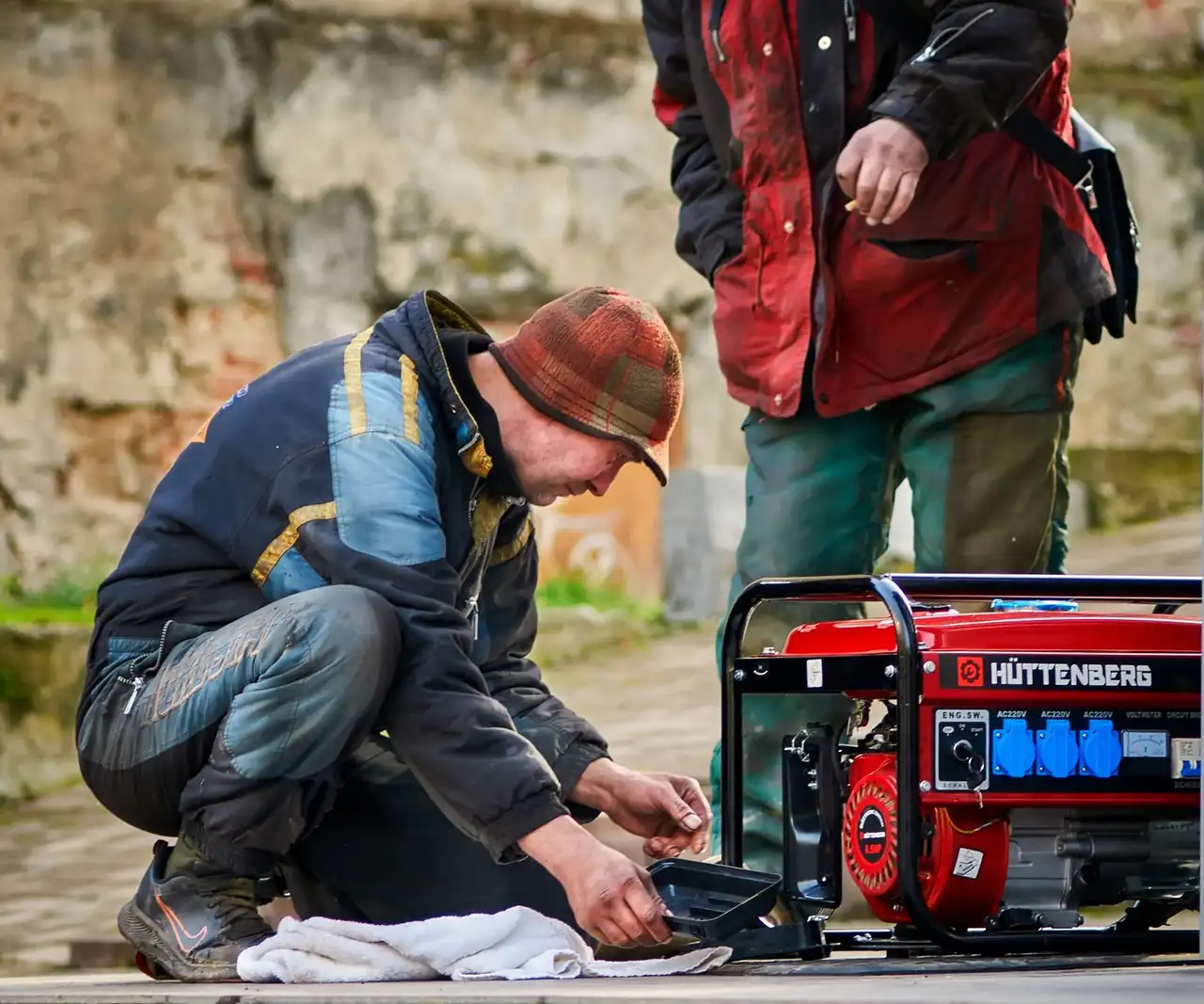
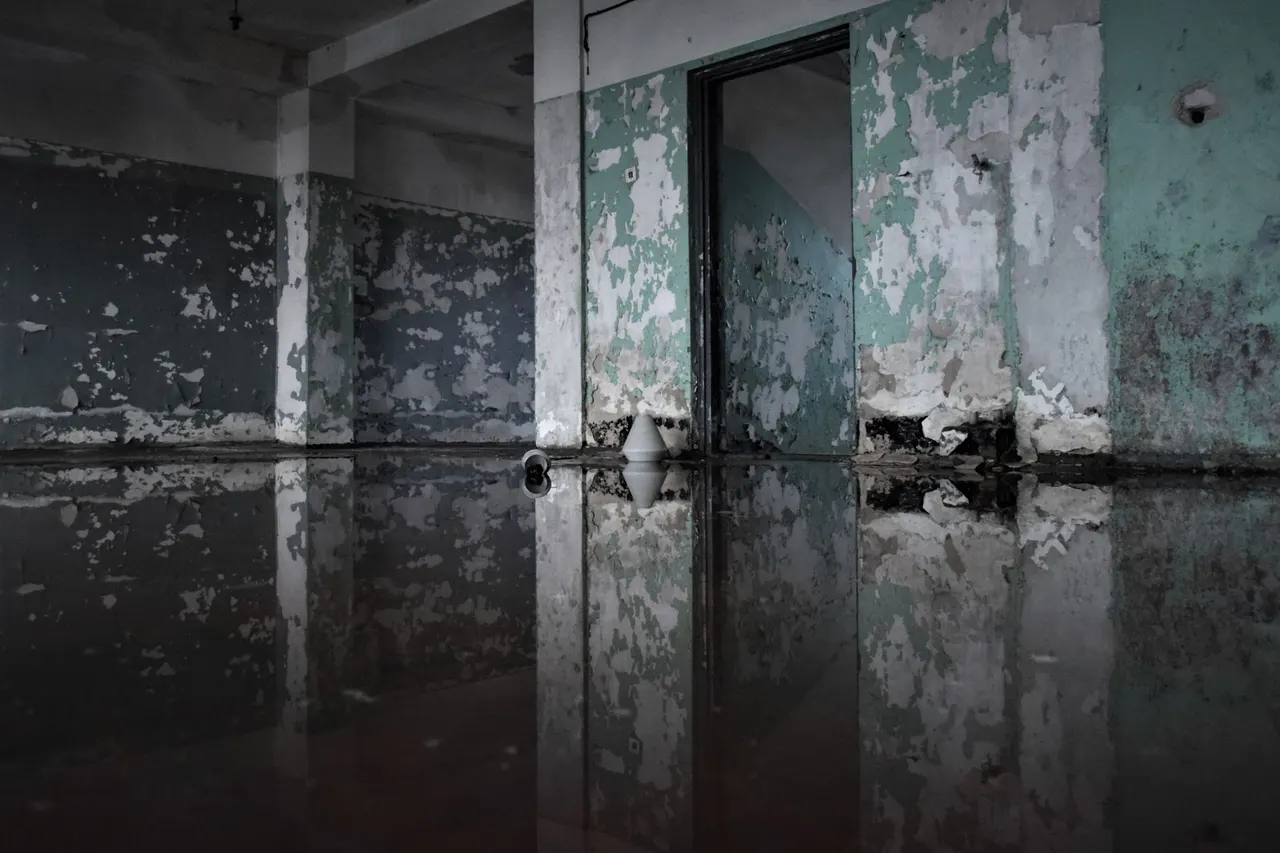
We inspect your home for hidden moisture and mold growth. You get a clear scope before any removal starts.
- Basement smells musty
- Ceiling stain after leak
- Mold behind bathroom tile
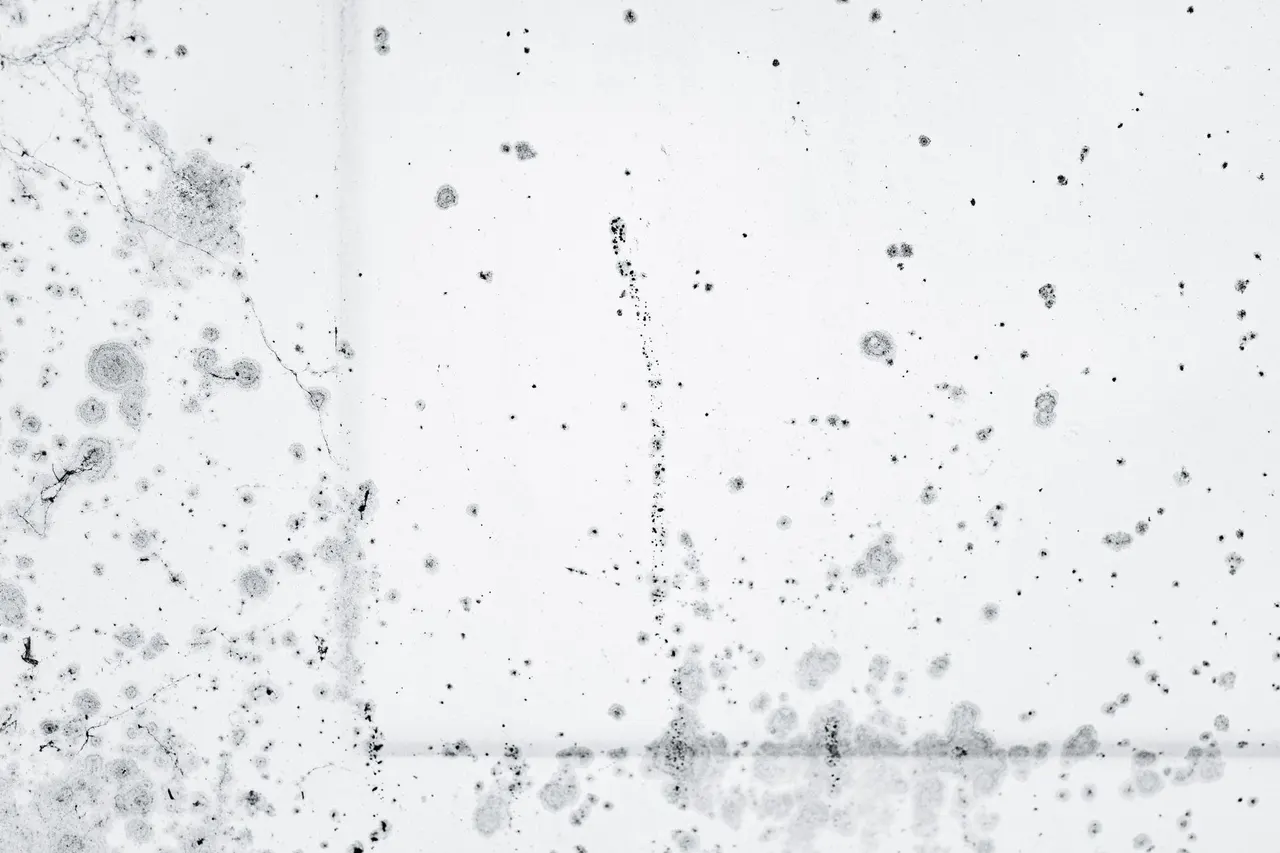
Mold Remediation Wilmington DE from Wilmington AquaRestore targets the source, not just the stain. We inspect with moisture meters and thermal cameras, contain the work area, remove affected drywall and insulation, and treat framing so mold does not return. Whether you found black mold after a burst pipe or smell musty air in your basement, our mold removal and cleanup in Wilmington DE gets your property dry, clean, and documented.
 Moisture mappingContainment setupDaily drying checks
Every mold job is different, but our standard scope covers the core steps that make a lasting repair. Here is what is included, and what may be an add-on depending on what we find during inspection.
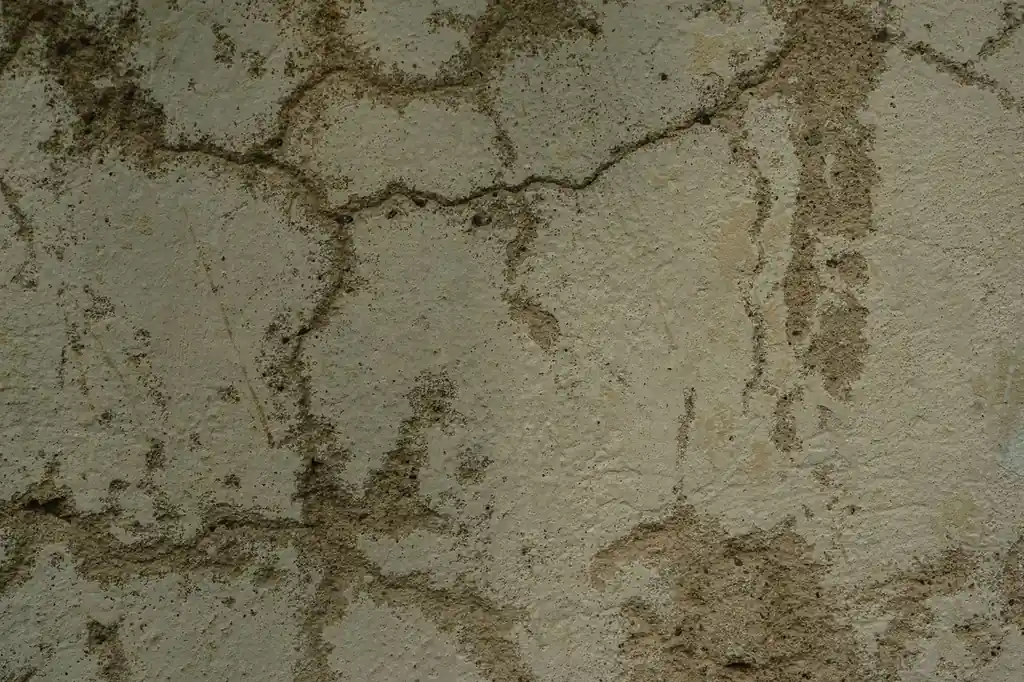
We inspect with a moisture meter, thermal imaging camera, and hygrometer to find all wet areas, not just the visible mold. You get a floor plan marked with moisture readings and a clear explanation of what is affected.
We build 6-mil poly containment with zipper doors and run Dri-Eaz HEPA air scrubbers to keep spores out of clean areas. Negative pressure is verified before any demolition begins.
Moldy drywall, insulation, and plywood are removed, bagged, and disposed of properly. We use RIDGID wet/dry vacuums with HEPA filters and hand-wipe framing with an antimicrobial treatment.
Air movers and dehumidifiers dry remaining framing, subfloors, and wall cavities. We monitor with a hygrometer daily and do not remove equipment until moisture content returns to normal.
You receive a photo report and moisture log showing before-and-after readings, materials removed, and treatment applied. This documentation is formatted to support insurance claims and future property records.
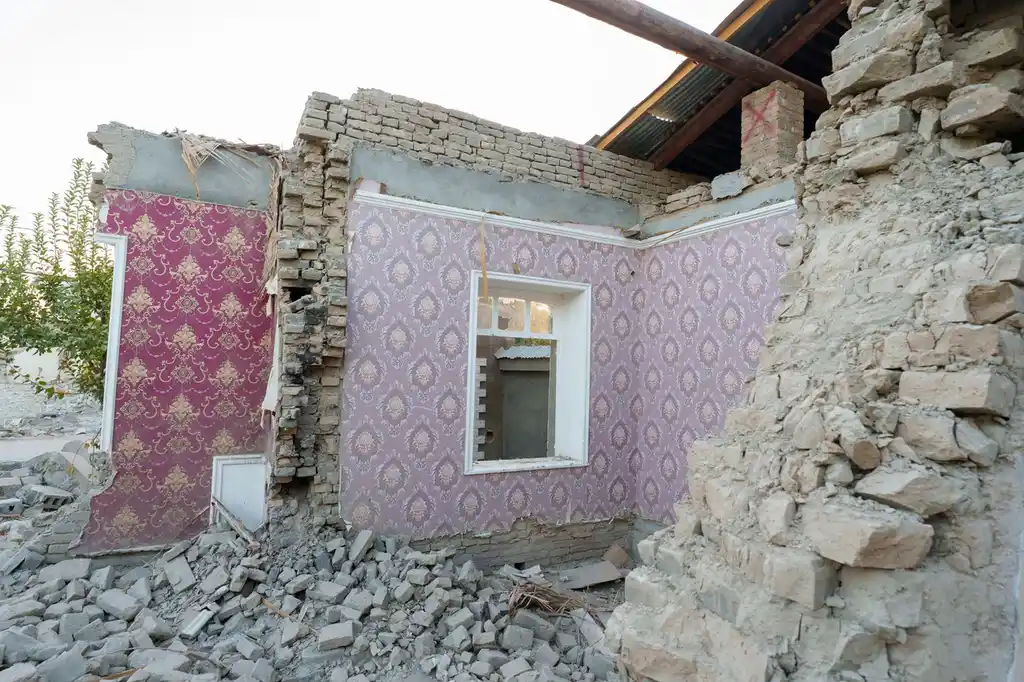
The approach is the same for a home and a business. What changes is the access, the schedule and who needs the paperwork.
We inspect your home for hidden moisture and mold growth. You get a clear scope before any removal starts.
We work around your hours to limit disruption. Containment and drying are scheduled to keep your space usable.
A plain-language look at what Mold Remediation involves and when it is needed.
See how it worksMold Remediation Wilmington DE is the process of containing, removing, and treating mold growth so your indoor air and building materials are safe again. It starts with moisture detection using a pin-type meter, thermal imaging camera, and hygrometer to find hidden water behind drywall, under wood flooring, or inside ceiling cavities. We then set up negative air pressure with HEPA filtration, remove porous materials that cannot be saved, and apply an antimicrobial treatment to framing and subfloors. The job is not done until moisture readings return to normal and the source, whether a plumbing leak, roof leak, or sump pump failure, is corrected.
In Wilmington, mold problems rarely happen in isolation. A frozen pipe in January, a basement flooding after heavy rain, or a water heater leak before a holiday weekend all create the damp conditions mold needs. We see it most in older homes across New Castle County where original copper pipe and cast-iron drains have been patched over the years. If you search for mold remediation near me Wilmington, you want a crew that understands both the mold and the water damage that caused it. That is exactly how we work.
Find the water, remove the mold, dry the structure, document the result.
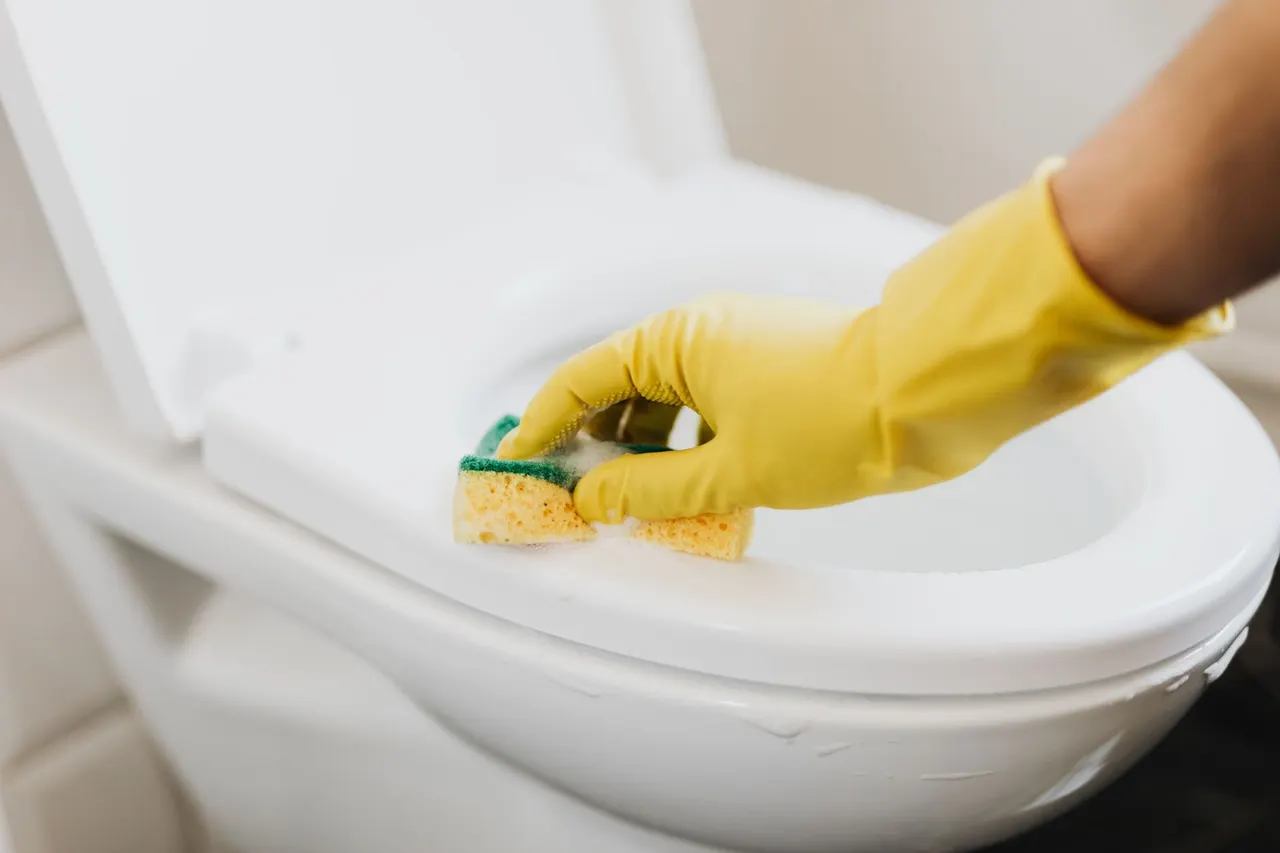
Every job follows the same proven sequence, whether it is a small bathroom ceiling or a full basement. Here is what you can expect from the first call to the final clearance check.
A technician walks the property with a moisture meter, infrared thermometer, and thermal imaging camera. We check suspect walls, ceilings, and floors, then map wet zones on a floor plan. You get a clear explanation of what is wet, what is moldy, and what can be saved. This visit usually takes 45 to 90 minutes.
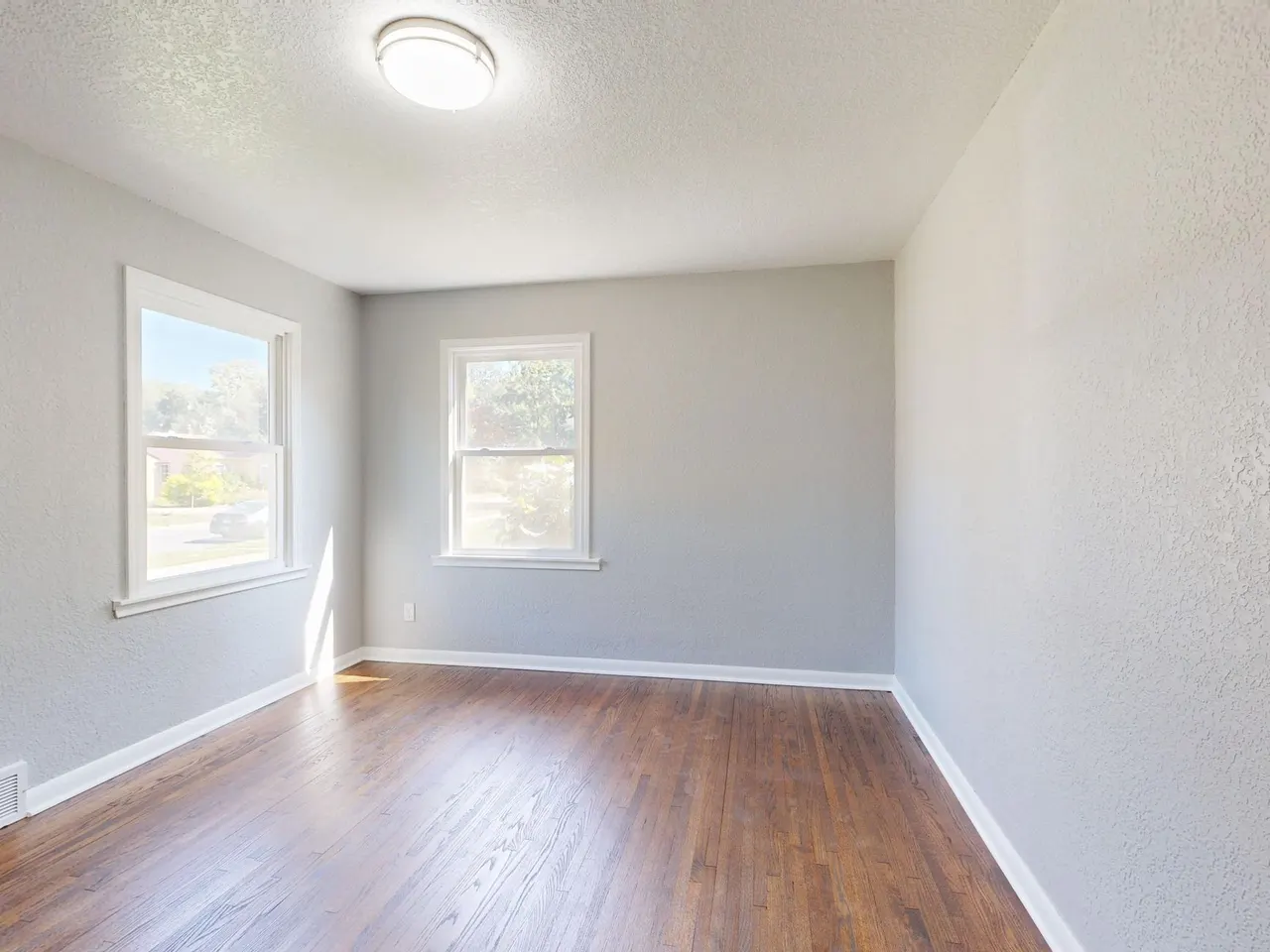
We seal off the work area with 6-mil poly and zipper doors, then position Dri-Eaz HEPA air scrubbers to create negative pressure. A boroscope camera checks inside wall cavities before we cut. This step keeps spores from spreading to clean rooms while we work.
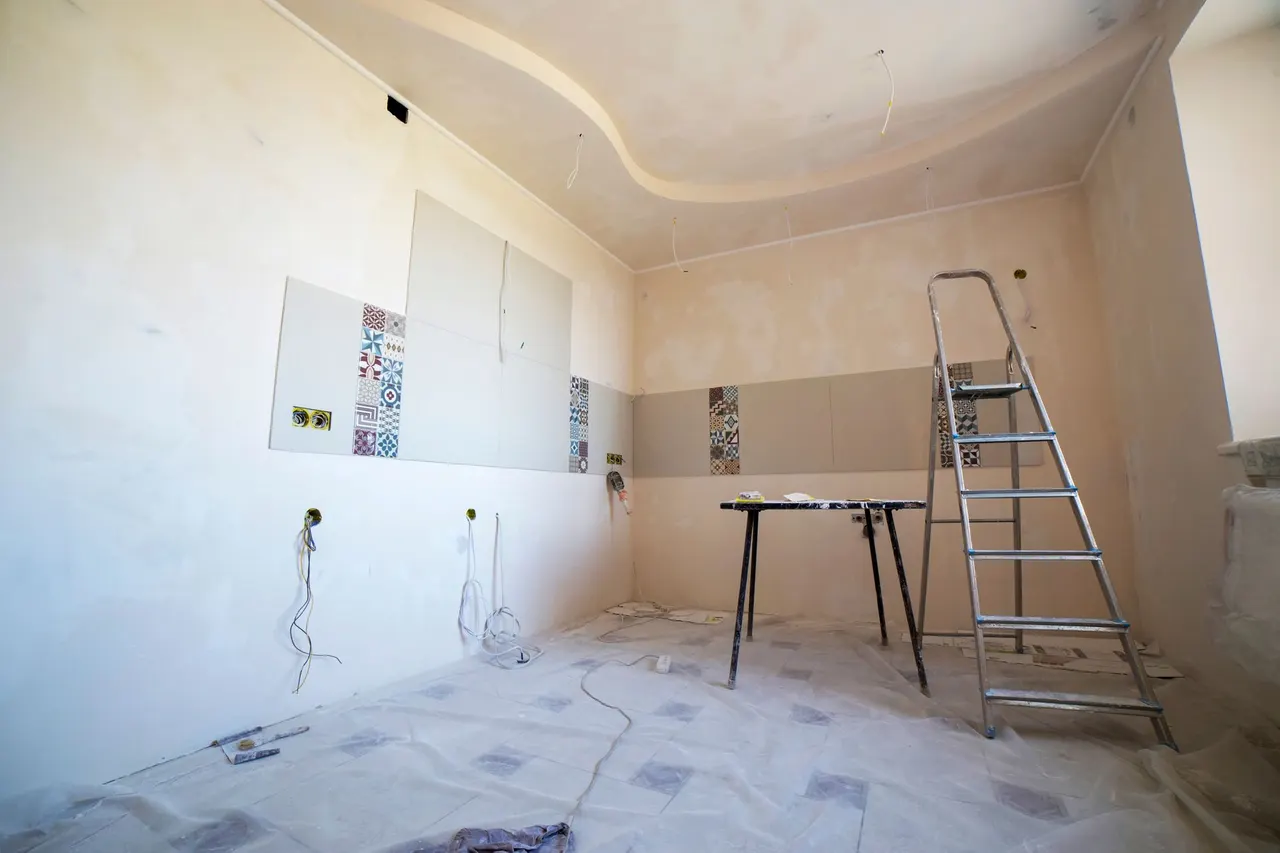
Porous materials like drywall, insulation, and plywood that show mold growth are bagged and removed. We use wet/dry vacuums with HEPA filters and hand-wipe framing with an antimicrobial solution. Hard surfaces such as tile, grout, and copper pipe are cleaned rather than replaced when possible.
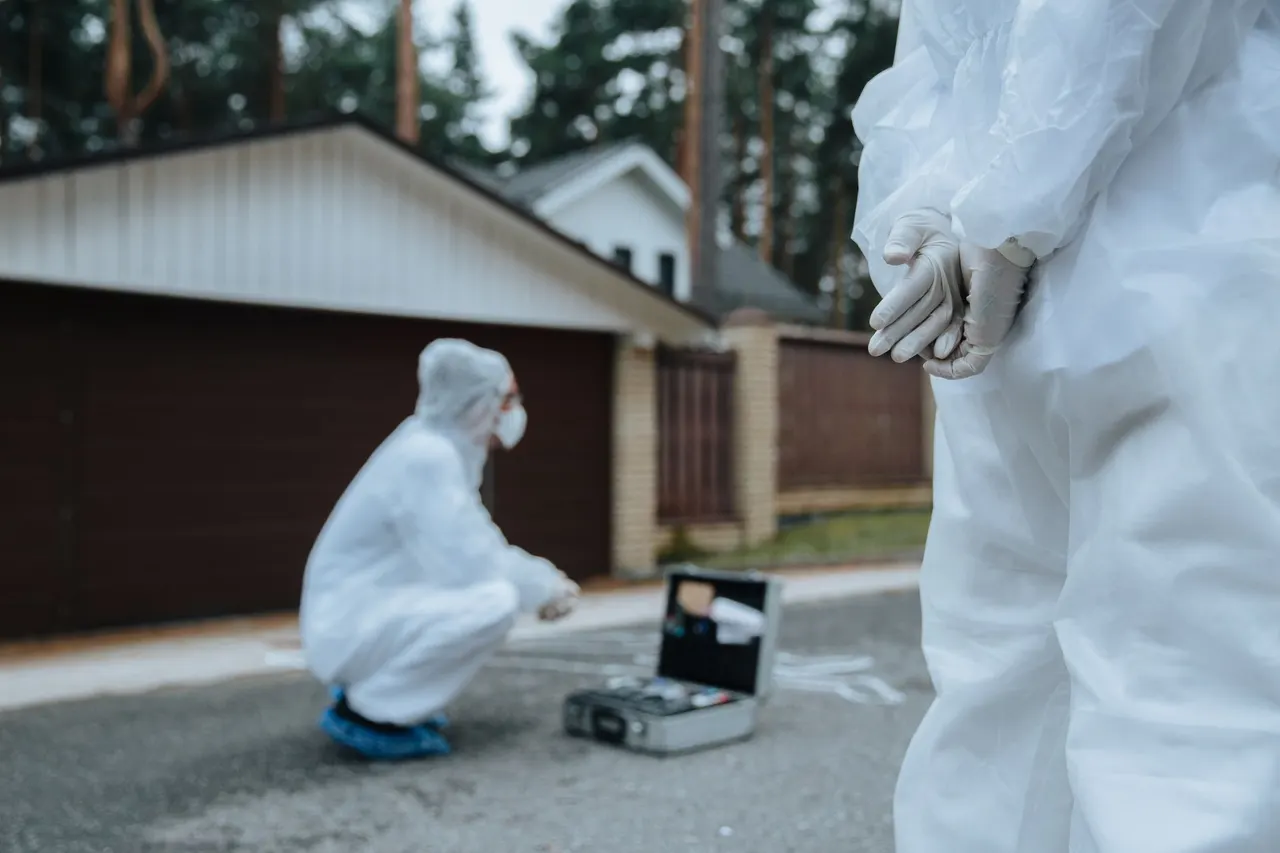
After removal, we set air movers and dehumidifiers to dry the remaining structure. A hygrometer tracks humidity levels daily, and we adjust equipment until moisture content in wood and drywall returns to normal. This phase typically runs two to four days depending on how wet the materials were.
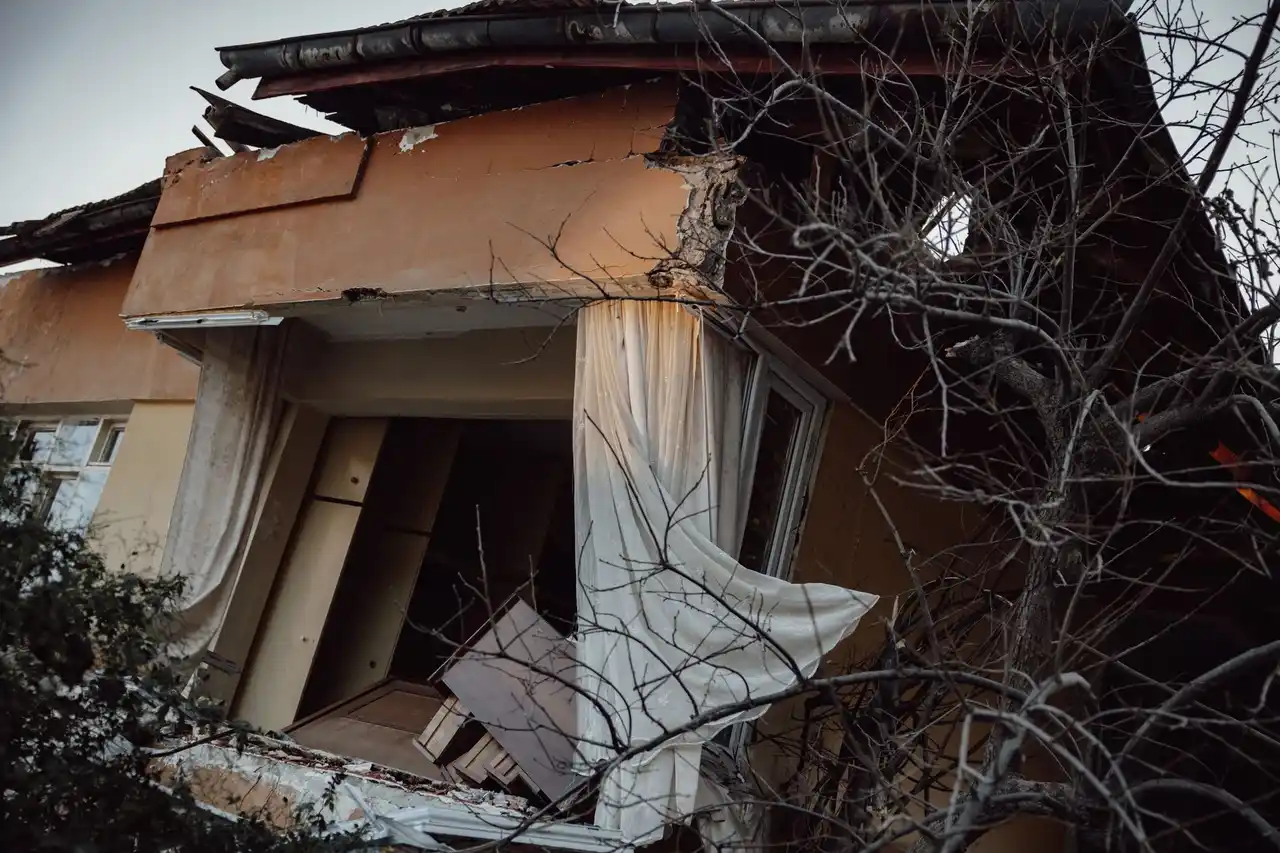
We take final moisture readings, confirm containment is clean, and provide a photo report with a moisture log. You get a clear record of what was removed, what was treated, and what to watch for. If you need a clearance test by a third party, we can coordinate that as well.
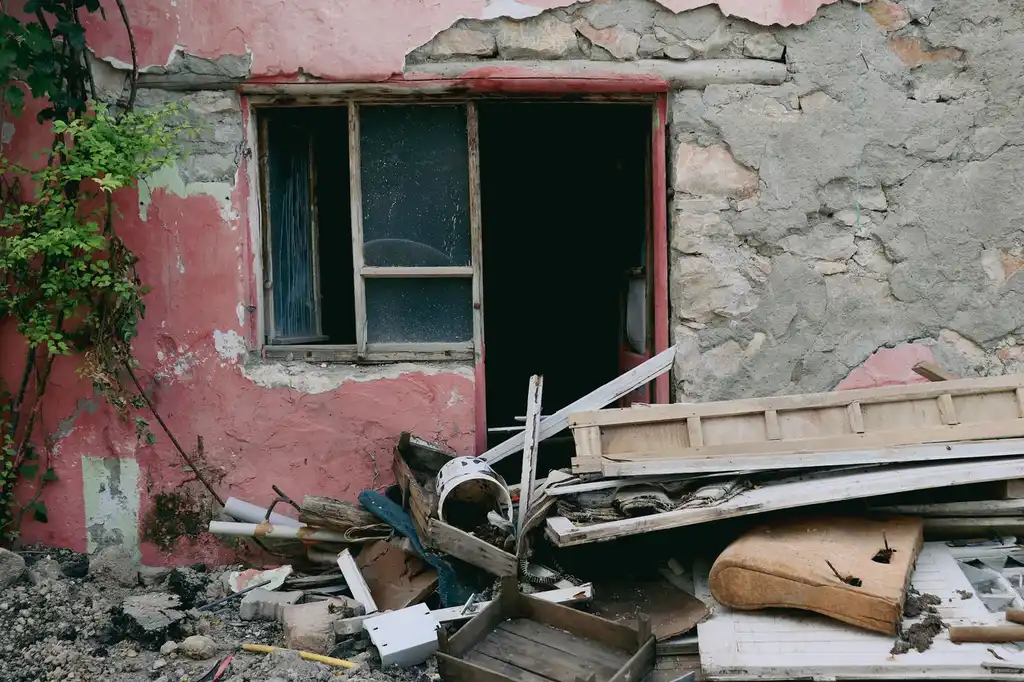
Move across a circle, or focus it and press Enter, for an illustrative thermal view of the photograph.
Finds temperature differences that reveal hidden moisture behind walls, under floors, and above ceilings before any demolition.
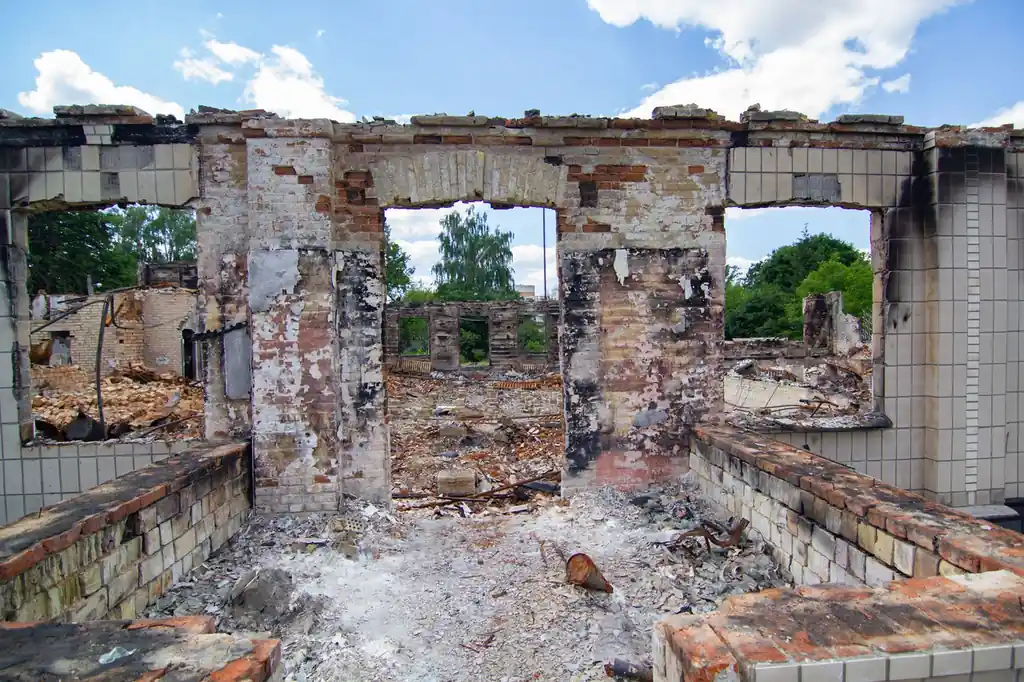
Measures moisture content in drywall, wood, and concrete to confirm wet zones and track drying progress.
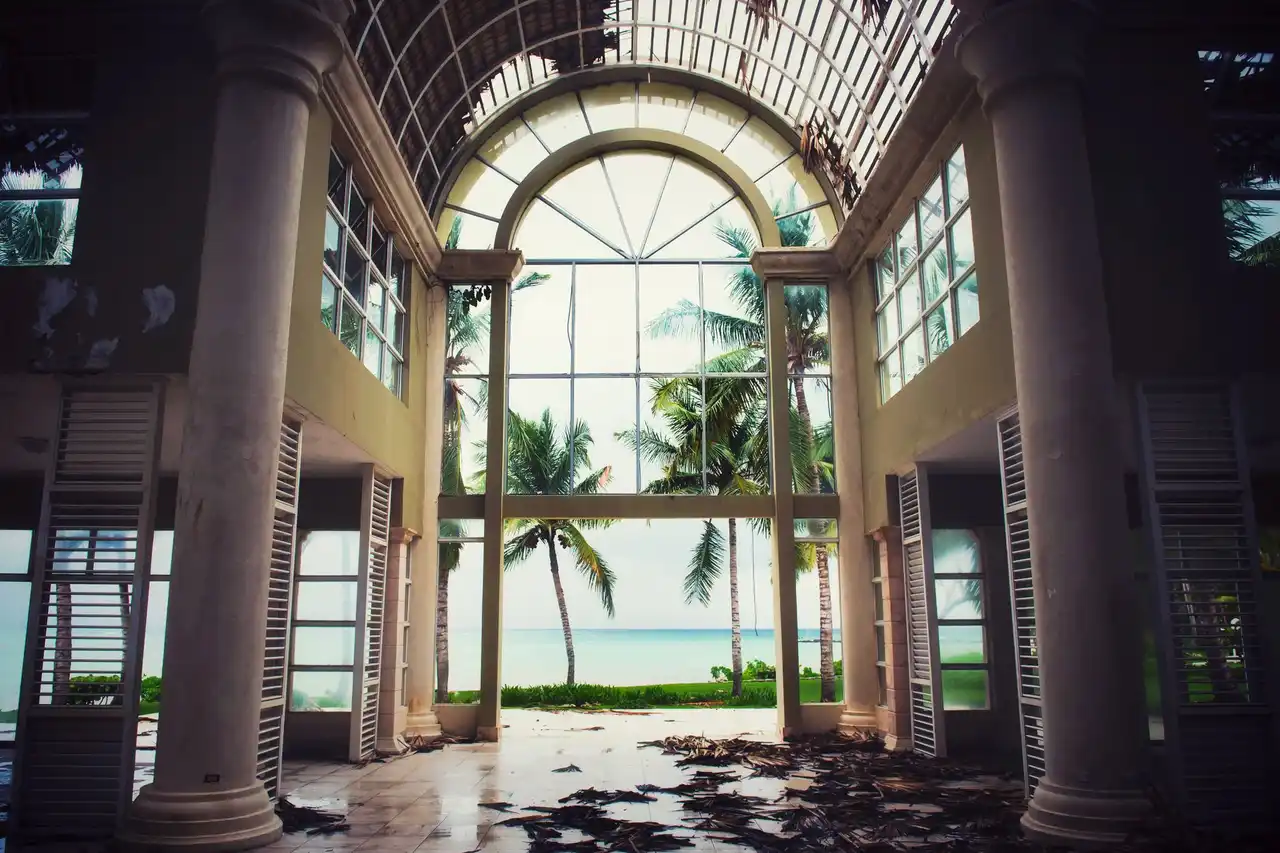
Inspects inside wall cavities and ceiling voids without making large openings, so we can see mold growth before cutting.
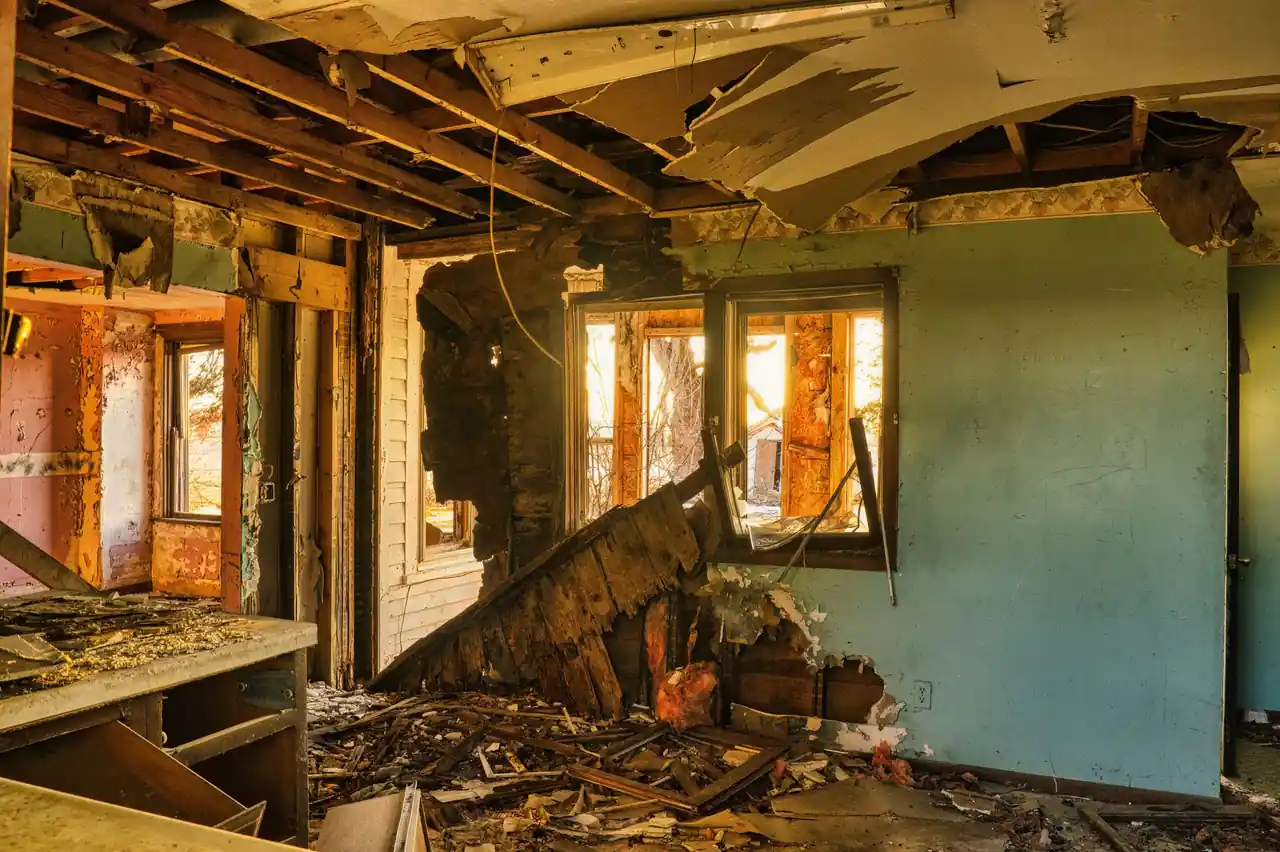
Filters airborne mold spores and maintains negative pressure inside containment to protect clean areas.
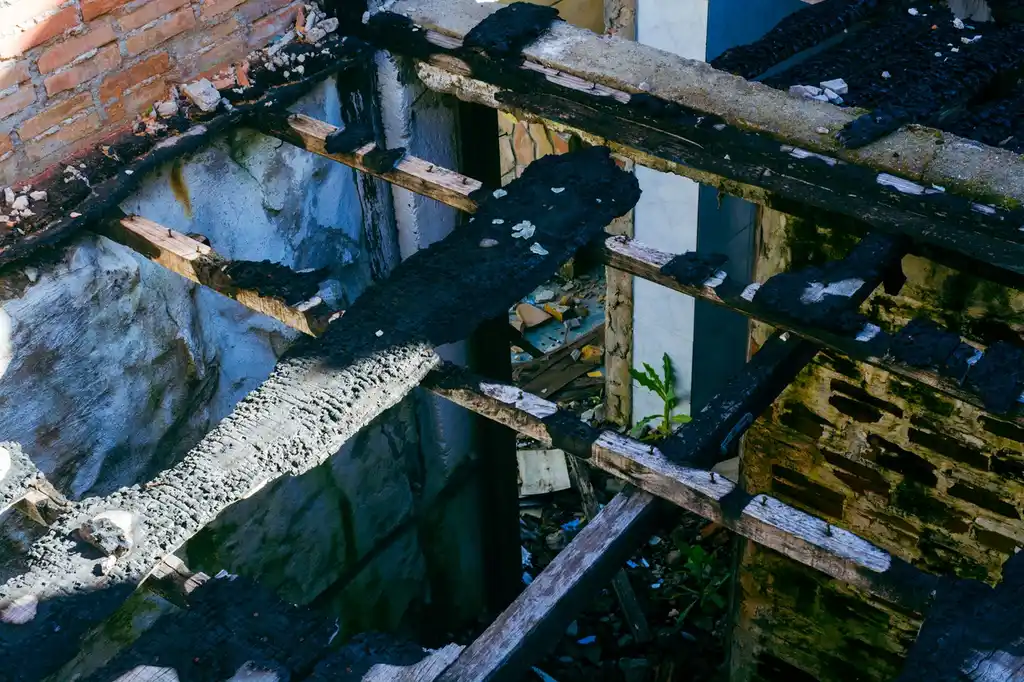
Removes moisture from the air to dry structural materials and prevent mold from returning after remediation.
Thermal views are illustrative, generated from the photographs.
With a HEPA filter, it collects moldy debris and water without releasing spores back into the air.
Monitors relative humidity in the work area to confirm drying goals are met before equipment is removed.
We follow the IICRC S520 standard for containment, removal, cleaning, and verification. It is the industry benchmark for mold work and guides every decision from containment size to final clearance.
We build sealed containment with 6-mil poly and zipper doors, then run HEPA air scrubbers to create negative pressure. This keeps spores from spreading to clean rooms during removal.
We map wet zones on a floor plan and record daily moisture readings with a hygrometer and moisture meter. Drying equipment stays in place until readings confirm the structure is dry.
After removing moldy porous materials, we hand-wipe and treat framing, subfloors, and joists with an antimicrobial solution to stop remaining spores from colonizing.
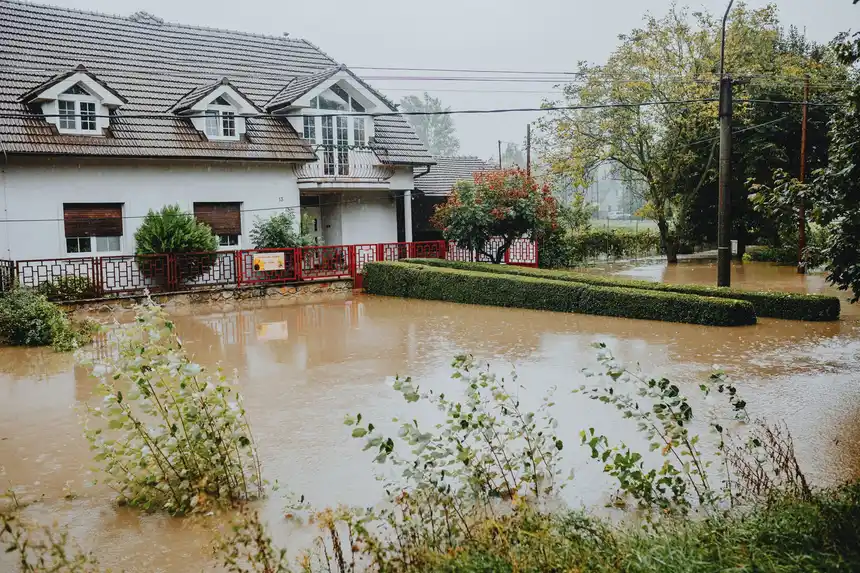
A frozen pipe burst in an upstairs bathroom during a January cold snap, soaking the ceiling below.
We extract water, remove saturated drywall, and set drying equipment. Once the cavity is dry, we treat any mold growth on the ceiling joists and subfloor.
Outcome: The ceiling is dry, mold-free, and ready for paint. The homeowner avoids a much larger remediation bill.
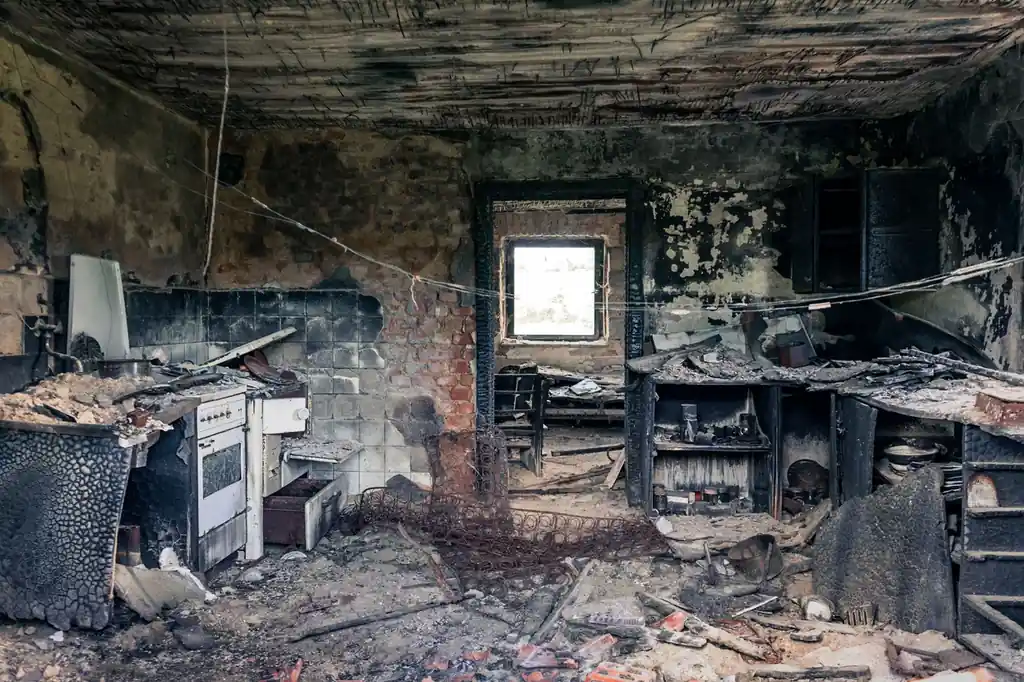
A sump pump failed during a heavy rainstorm, flooding a finished basement with two inches of water.
We extract the water, remove wet carpet and baseboards, and dry the concrete and framing. We then remediate mold on the lower drywall and treat the space.
Outcome: The basement is dry and usable again. The homeowner gets a moisture log to support an insurance claim.
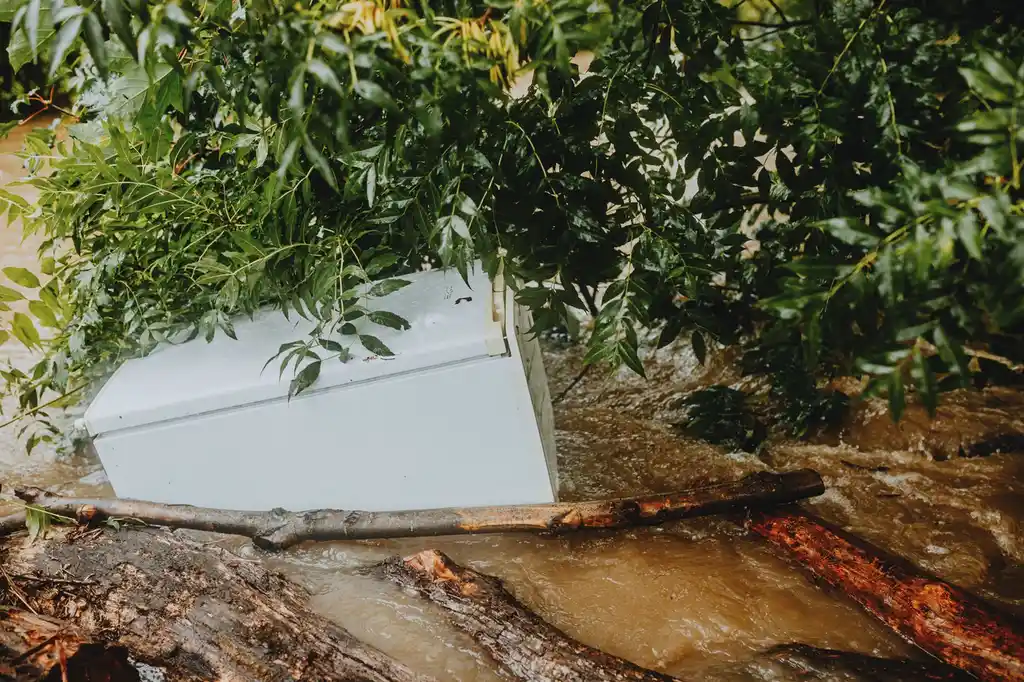
A slow leak under a kitchen sink went unnoticed for weeks, and mold appeared on the cabinet base and adjacent drywall.
We inspect with a moisture meter, contain the cabinet area, remove moldy materials, and treat the framing. We coordinate with a plumber to fix the supply line.
Outcome: The mold is gone, the cabinet base is replaced, and the kitchen passes a clearance check.
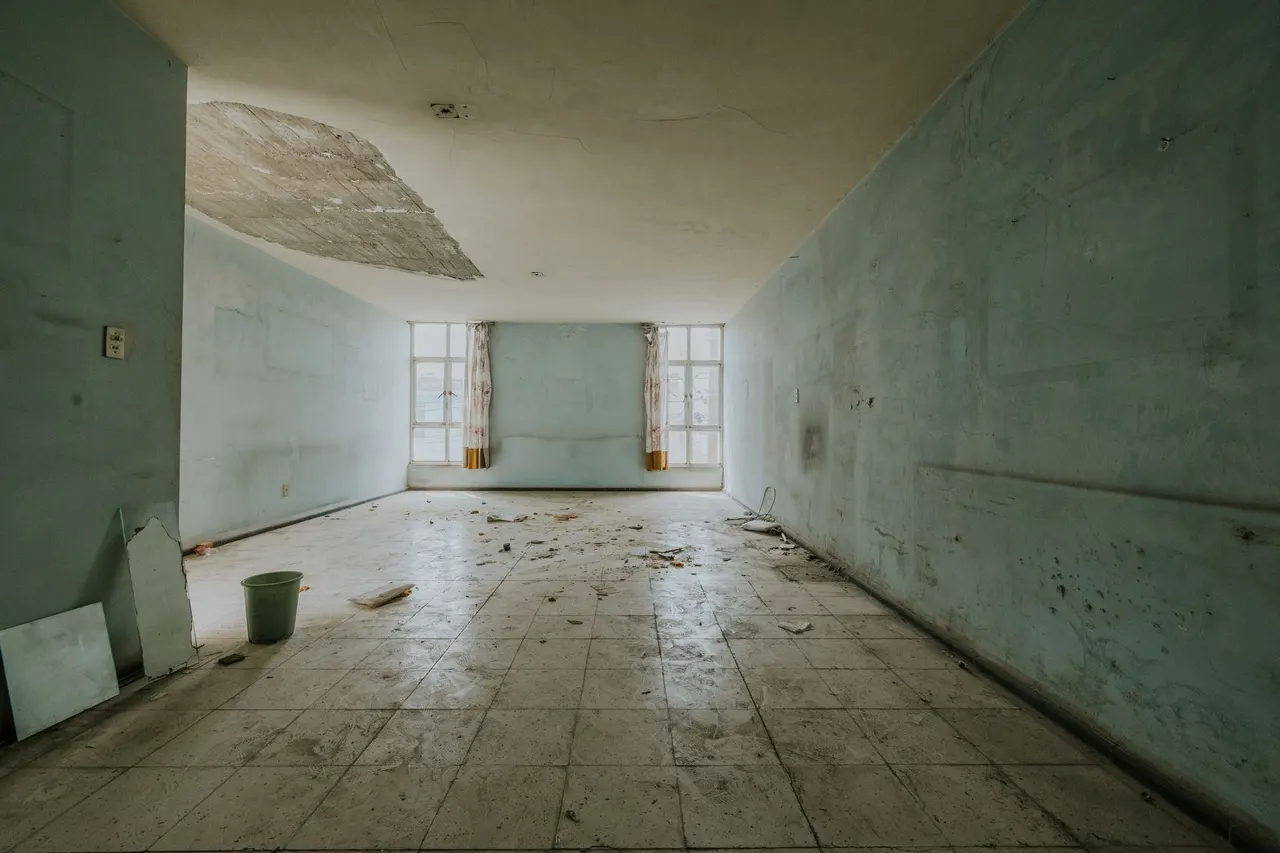
A commercial office in Downtown Wilmington had a roof leak that stained ceiling tiles and dampened insulation.
We work after hours to contain the area, remove moldy ceiling tiles and insulation, treat the framing, and dry the ceiling cavity.
Outcome: The office reopens the next business day with no mold odor and a documented remediation report for the property manager.
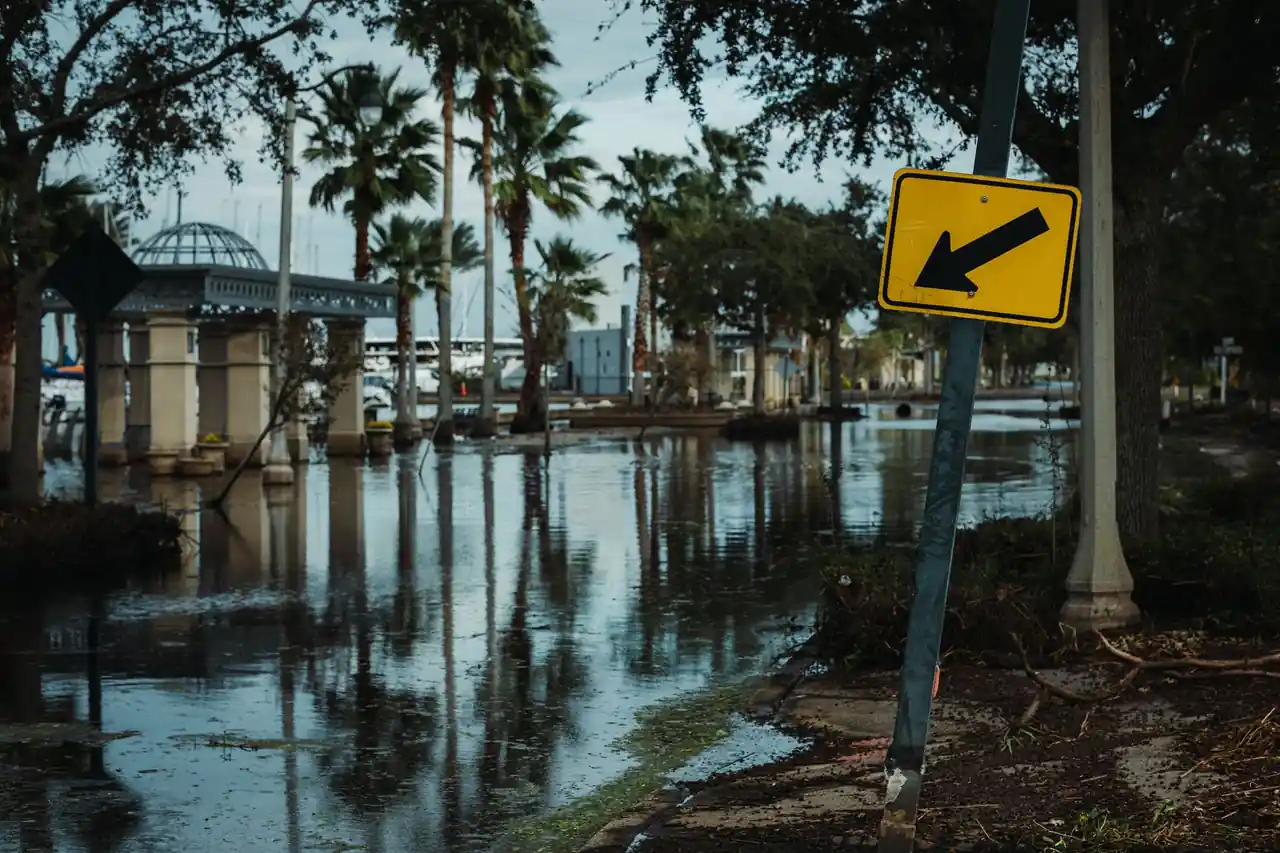
A homeowner in The Highlands noticed a musty smell in the basement but no visible water.
We use thermal imaging and a moisture meter to find a groundwater intrusion point, contain the area, remove moldy drywall, and treat the foundation wall.
Outcome: The musty odor is gone, and the homeowner gets recommendations for drainage improvements to prevent recurrence.
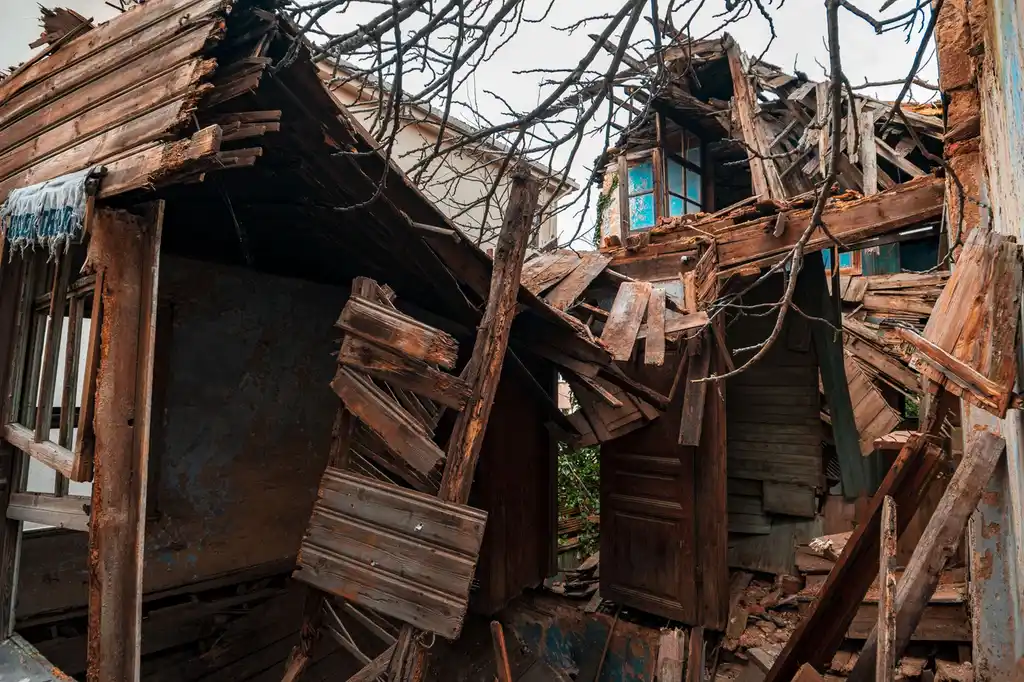
Wilmington's climate creates two mold seasons: humid summers that push indoor humidity above 60%, and freeze-thaw winters that crack pipes and send water into walls. Older rowhomes in Trolley Square and The Highlands often have original copper pipe and cast-iron drains that have been patched multiple times, so hidden leaks are common.
We also see basement mold after heavy rain events when sump pumps fail or groundwater seeps through foundation walls. For emergency mold remediation Wilmington DE, we prioritize jobs where water is still active or where black mold is visible. If you need black mold removal after water damage Wilmington DE, we contain the area, remove affected materials, and dry the structure before treating.
Our crews know the ZIP codes, the housing stock, and the local plumbing quirks, which means we find the source faster and scope the job accurately.
Before: A slow supply line leak under a kitchen sink soaked the cabinet base and adjacent drywall for weeks. Mold appeared on the cabinet floor and the wall behind the dishwasher. Moisture readings showed 28% in the drywall.
After: We removed the moldy cabinet base and drywall, treated the framing, and dried the cavity to 12% moisture content. The cabinet was rebuilt, and the kitchen passed a clearance check with no visible mold or musty odor.
Check under-sink cabinets monthly for drips, and replace flexible supply lines every five years. Keep indoor humidity below 50% with a dehumidifier in summer.
Before: A sump pump failed during a storm, flooding a finished basement with two inches of water. Carpet, baseboards, and lower drywall were soaked, and mold was visible within three days. Humidity in the space was 75%.
After: We extracted the water, removed wet carpet and drywall, dried the concrete and framing to 14% moisture content, and treated the space with an antimicrobial. The basement was dry and mold-free in five days.
Test your sump pump every spring by pouring water into the pit. Install a battery backup and keep the discharge line clear of debris.
Before: A roof leak stained a second-floor ceiling and dampened attic insulation. Mold grew on the back of the drywall and spread across a 4-foot section. The homeowner noticed a musty smell in the hallway.
After: We removed the moldy drywall and insulation, treated the ceiling joists, and dried the cavity to 13% moisture content. The ceiling was repaired, and the attic was left dry and odor-free.
Inspect your roof after every major storm and repair missing shingles promptly. Keep attic ventilation clear to prevent condensation and dampness.
Mold is a symptom, not the root cause. These are the most common scenarios we see in Wilmington and how we solve them, including same day mold remediation Wilmington DE when the situation is urgent.
A dry, mold-free space with documentation you can keep.
We do not just spray and pray. Before any mold removal and cleanup Wilmington DE work begins, we find the water source with a moisture meter and thermal imaging camera. If a supply line is weeping behind a cabinet or a sump pump has failed, we document it and coordinate the repair so mold does not come back in three weeks.
Loose mold spores travel through air. We build 6-mil poly containment with zipper doors and run Dri-Eaz HEPA air scrubbers to keep spores out of your living space. Negative air pressure is verified before demolition starts, and every wall cavity is checked with a boroscope camera before we close it up.
We inspect, measure, and give you a written scope before work starts. No surprise line items, no pressure to add services you do not need.
We photograph moisture readings, affected materials, and containment setup, then provide a moisture log and photo report. That documentation helps your insurance adjuster see exactly what happened and why the work was necessary, which speeds up claim decisions for mold removal and cleanup services in Wilmington Delaware.
What a written scope covers and what shapes it. Prices are set by the business after the first look.
Included
Depends on
Clear records you can keep and share.
Daily readings before and after drying
Images of affected areas and containment
Materials removed and treated
Equipment placement and removal dates
Mold needs moisture, organic material, and time. Remove the water and the mold cannot grow.
Growth on visible surfaces like drywall or tile.
Growth inside wall cavities or under floors.
Spores released into the air from disturbed mold.
A list like this tells people straight away whether you cover their street. Not listed? Call and ask: it only takes a minute.
Based in Wilmington and covering the places around it. Pick one for local details.
Cost depends on square footage affected, how many materials must be removed, and whether a plumber or HVAC technician is needed to fix the water source. We provide a written scope after inspection so you know the number before work starts.
Black mold can produce mycotoxins and airborne spores that trigger respiratory issues, headaches, and allergic reactions, especially in children, older adults, and anyone with asthma. It is not something to paint over or ignore. If you see dark staining near a plumbing leak or smell a musty odor in your basement, call us for an inspection. We test moisture, contain the area, and remove the growth safely.
A typical mold remediation takes two to five days from containment to final drying. Small jobs under 50 square feet can finish in two days. Larger basement or commercial projects may run five to seven days, especially if drying equipment needs extra time. We give you a day-by-day schedule after the initial inspection so you can plan around the work.
Insurance often covers mold remediation when it results from a covered event like a burst pipe, water heater leak, or storm water damage. It typically does not cover mold from long-term neglect or groundwater intrusion. We document moisture readings, affected materials, and the water source with photos and a moisture log, which gives your adjuster the evidence needed to process the claim.
Other services from the same team.
Mold gets worse with every humid day. Call Wilmington AquaRestore at (302) 775-0748 for an inspection and a written scope. We serve all of New Castle County and can often schedule same-day visits for urgent mold problems.
Call (302) 775-0748 any time, day or night. If you prefer email, send photos and details to info@wilmingtonaquarestore.com and we will follow up with next steps.