For Homes
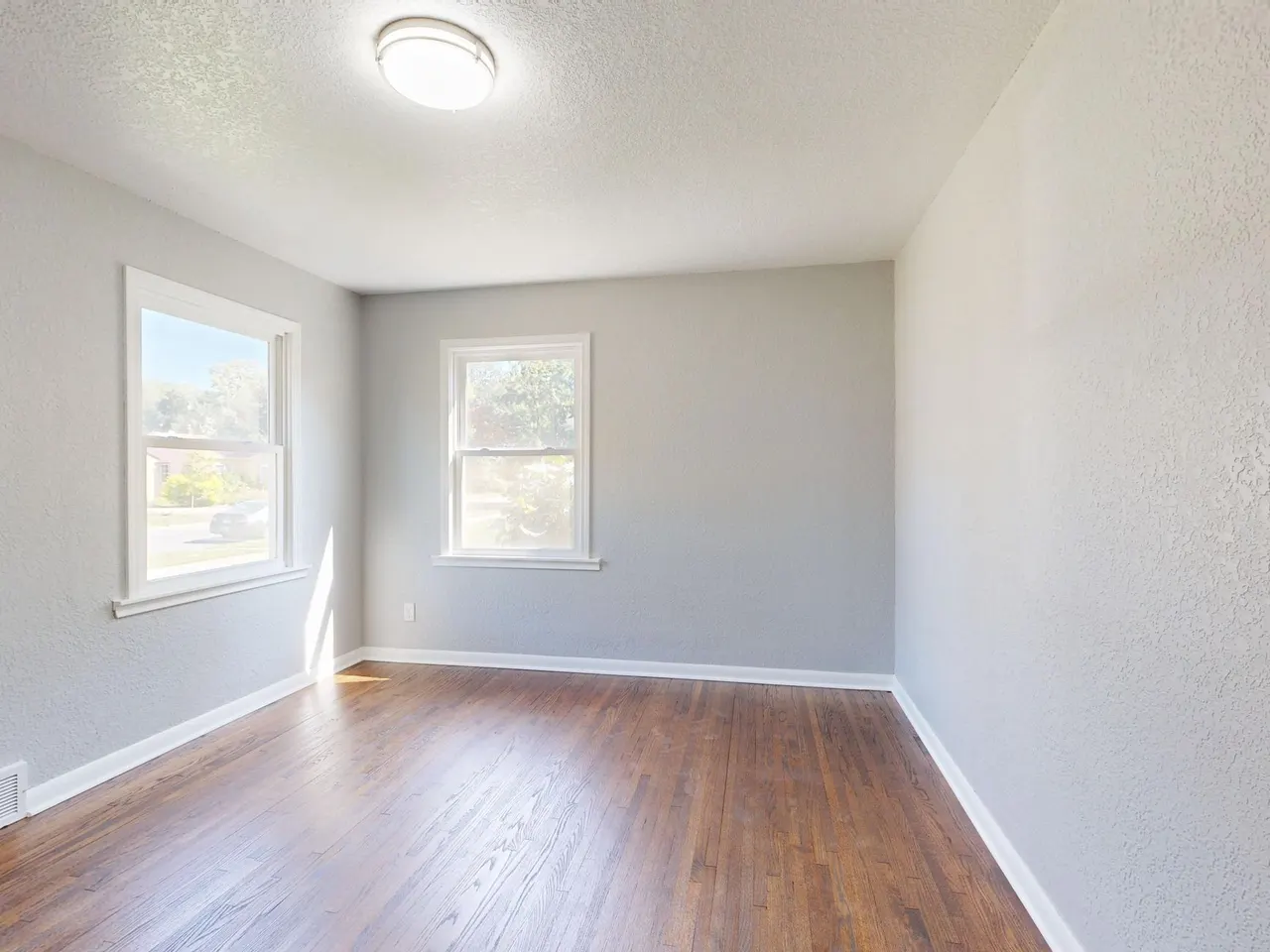
We help homeowners and tenants dry out flooded basements fast. Our team extracts water, removes damaged materials, and sets up drying equipment.
- Burst pipe in basement
- Sump pump failure
- Sewage backup cleanup
When your basement floods, every hour counts. We serve homeowners and property managers across New Castle County, from Trolley Square rowhomes to Riverfront condos. Whether it's a burst pipe, sump pump failure, or heavy rain flooding, we arrive with truck-mounted extraction units and thermal imaging cameras to find every hidden pocket of moisture. Call (302) 775-0748 for same-day service.
 Check moistureExtract waterDry structure
Our standard Basement Flood Cleanup Wilmington DE package covers water extraction, material removal, structural drying, and mold prevention. We also document everything for your insurance claim. Add-on services like mold remediation or reconstruction are quoted separately if needed.
You get a live person, not a call center. We ask about water source, depth, and safety hazards before we arrive so we bring the right equipment.
Truck-mounted extraction units and submersible pumps remove standing water fast. We work from the farthest corner toward the drain to ensure no low spots are missed. Extraction typically takes one to three hours depending on volume.
We position Dri-Eaz and Phoenix air movers and commercial dehumidifiers to dry walls, floors, and subfloor. A hygrometer monitors humidity daily, and we adjust equipment until materials hit dry standard. Most basements dry in three to five days.
We apply antimicrobial to affected surfaces and use boroscope cameras to check inside wall cavities for hidden moisture. If we find early mold growth, we handle remediation before it spreads. This step is critical within the first 48 hours.
We photograph every affected area, log moisture readings, and provide a detailed scope of work. Our reports follow IICRC documentation standards, which most carriers accept. You get a clear paper trail from extraction to final verification.
The approach is the same for a home and a business. What changes is the access, the schedule and who needs the paperwork.
We help homeowners and tenants dry out flooded basements fast. Our team extracts water, removes damaged materials, and sets up drying equipment.
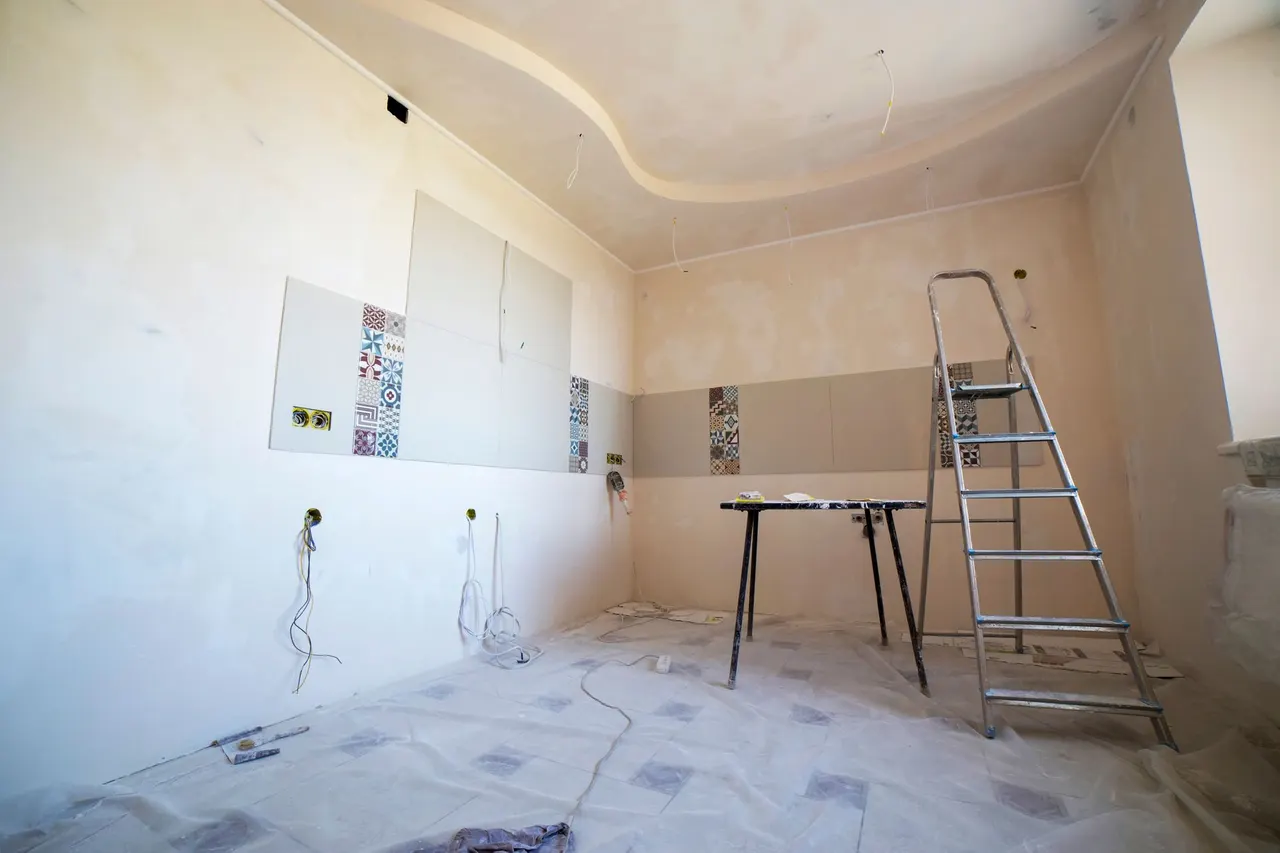
We work with property managers and business owners to minimize downtime after a basement flood. Our team responds after hours and documents everything for insurance.
A plain-language look at what Basement Flood Cleanup involves and when it is needed.
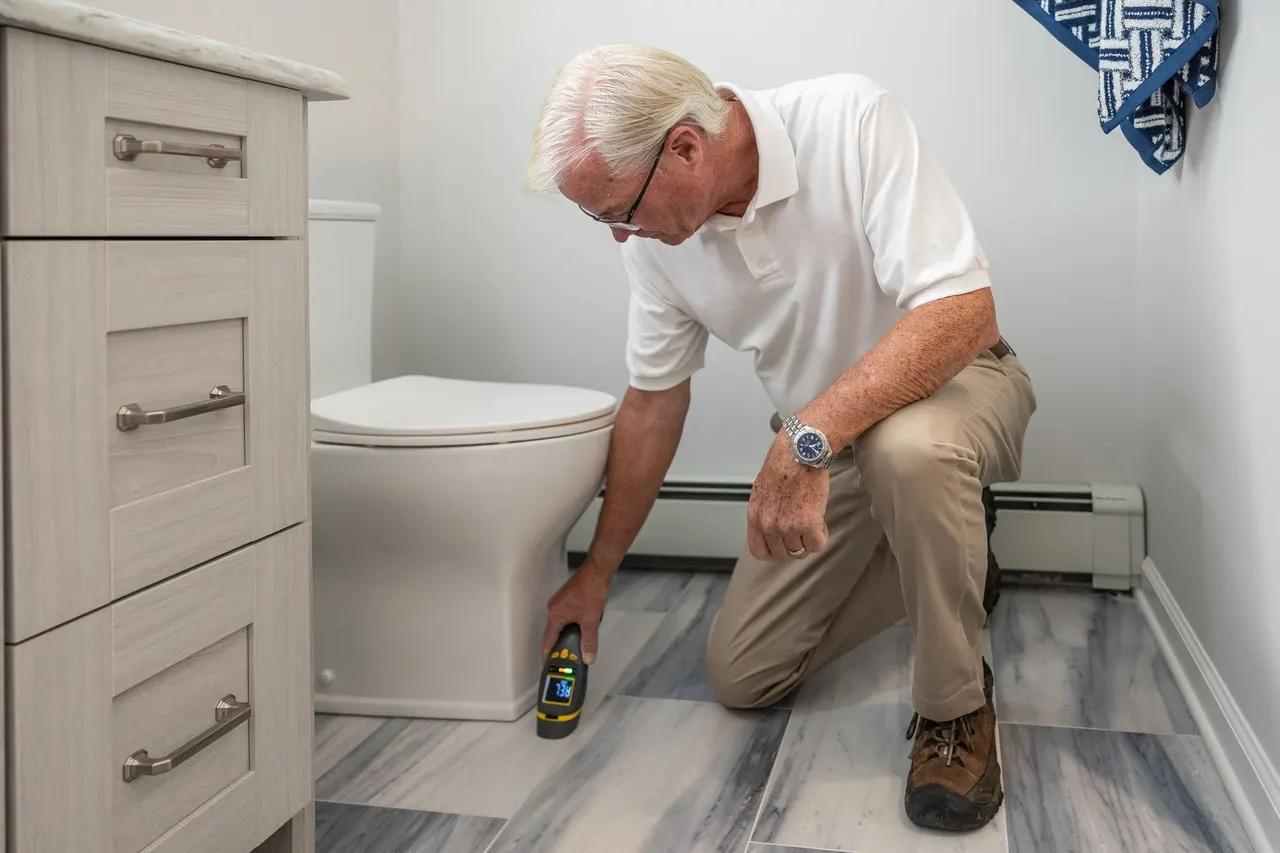
See how it worksBasement Flood Cleanup Wilmington DE is the process of removing standing water, extracting saturated materials, and drying your basement to prevent structural damage and mold growth. It's not just pumping water out the door. We use moisture meters and thermal imaging cameras to map exactly where water traveled behind finished walls and under flooring. Then we deploy air movers and dehumidifiers calibrated to the square footage. Every job follows IICRC WRT and ASD standards, so your insurance adjuster sees documented, code-correct work from start to finish.
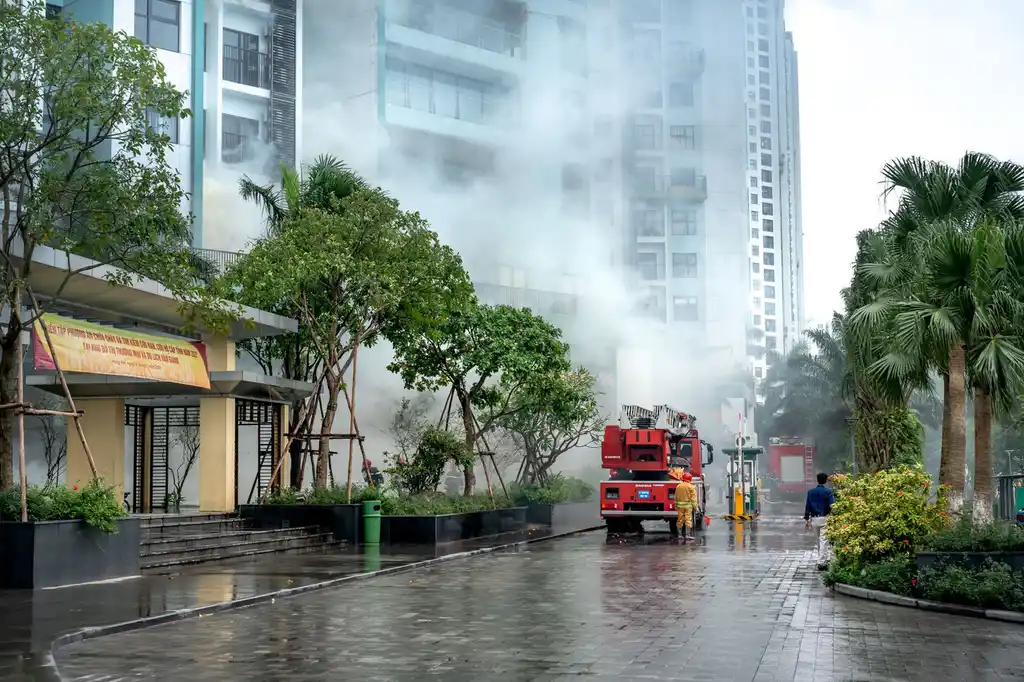
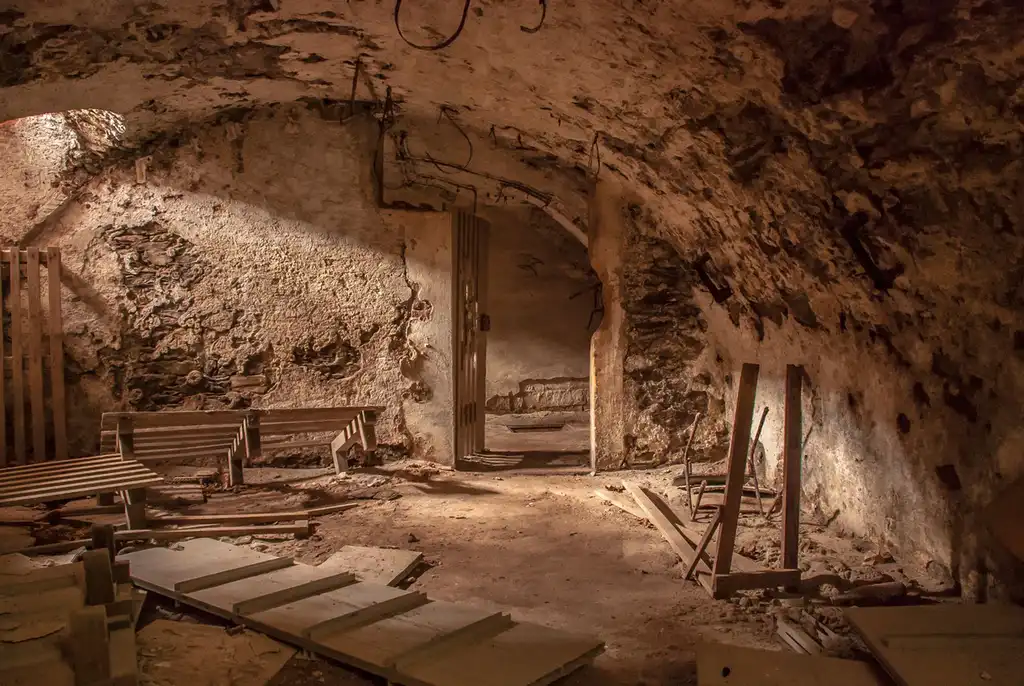
Wilmington's older housing stock, especially in neighborhoods like The Highlands and Baynard Village, means basement flooding cleanup Wilmington Delaware is a recurring need. Stone foundations, aging cast-iron drains, and original sump pits fail during heavy rain events and spring thaws. We also see a spike in emergency basement flood cleanup Wilmington DE calls from frozen pipe bursts in January and February. If your basement smells musty after a storm, call us before mold colonizes. We can usually schedule same day basement flood cleanup Wilmington DE within hours of your call.
Basement flood cleanup removes water, dries the structure, and prevents mold.
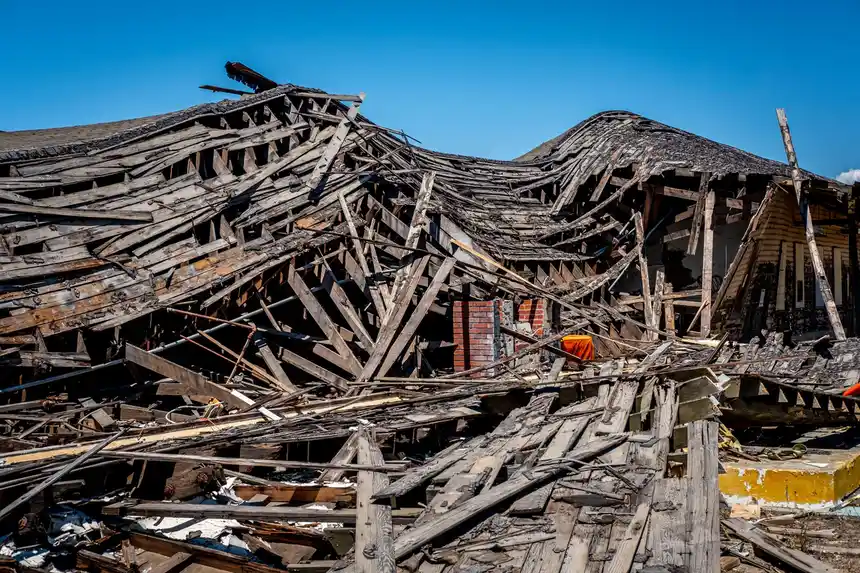
Every flooded basement cleanup in Wilmington follows the same proven sequence. Here's what you can expect from the moment you call until the job is signed off.
You call (302) 775-0748 and describe what happened. We ask about water source, depth, and whether sewage is involved. Within 60 to 90 minutes, a technician arrives with a moisture meter and infrared thermometer to assess the full scope. We identify the water category, check for electrical hazards, and give you a written estimate before any work begins.
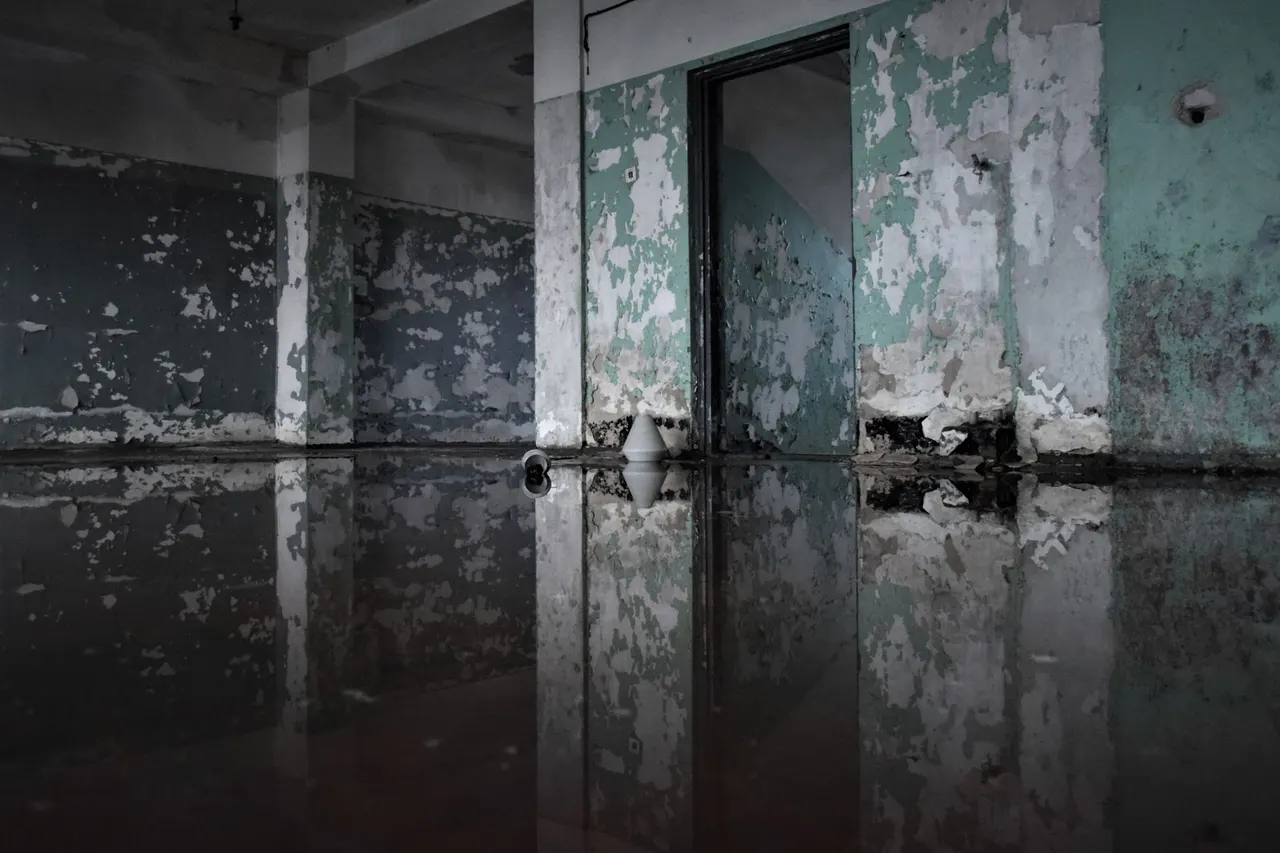
We deploy truck-mounted water extraction units and wet/dry vacuums to remove standing water. For deeper flooding, we use submersible pumps first. Extraction typically takes one to three hours depending on volume. We work from the farthest corner toward the drain, ensuring no low spots are missed. You'll see the water level drop fast.
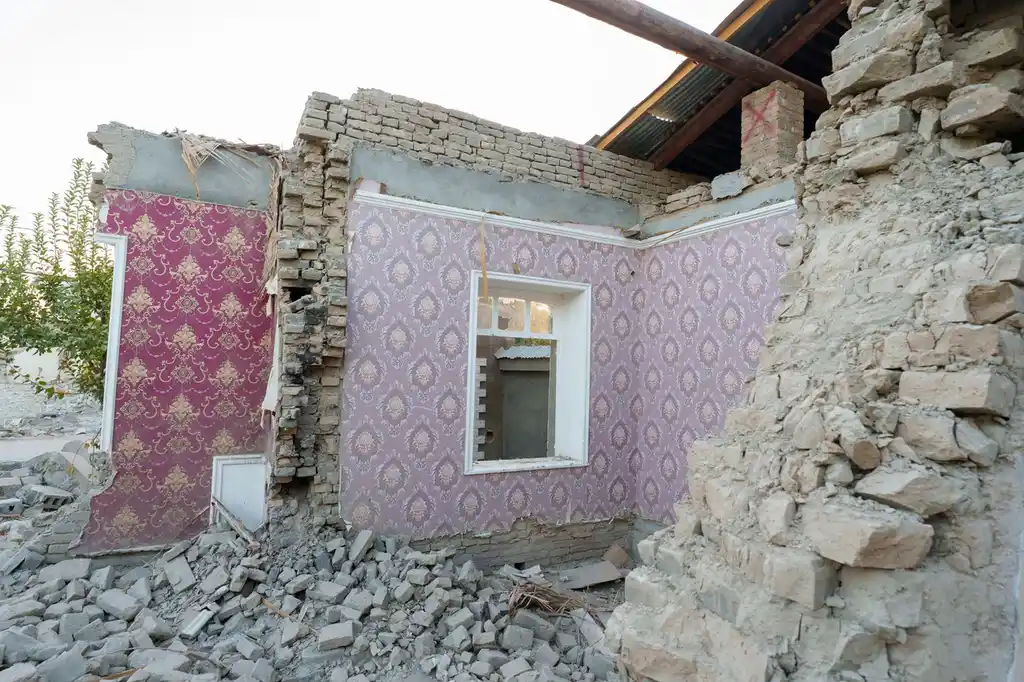
Saturated drywall, insulation, and carpet padding that can't be saved get removed and bagged for disposal. We cut drywall at least 12 inches above the water line to expose wall cavities for drying. If hardwood flooring is cupped, we document it for your insurance claim. Everything is hauled away same day, leaving a clean work area.
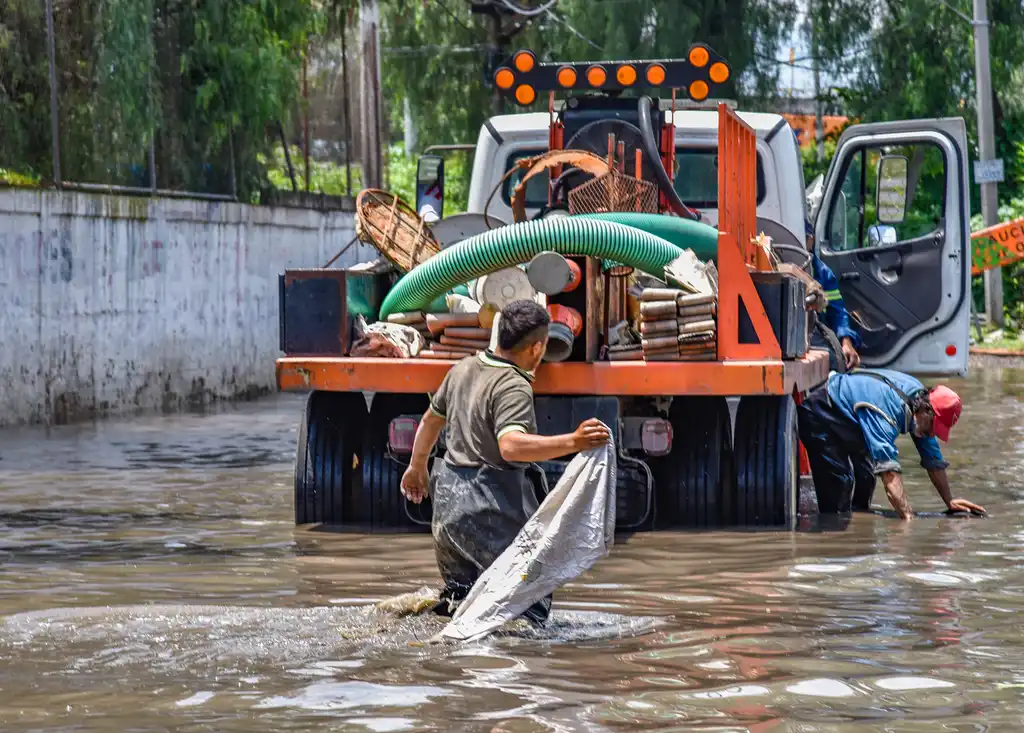
We position Dri-Eaz and Phoenix air movers to create a drying vortex across walls and floors. Commercial-grade dehumidifiers pull moisture from the air. A hygrometer monitors relative humidity, and we adjust equipment daily. Most basements reach dry standard in three to five days. You'll hear the equipment running, but we schedule quiet hours if needed.
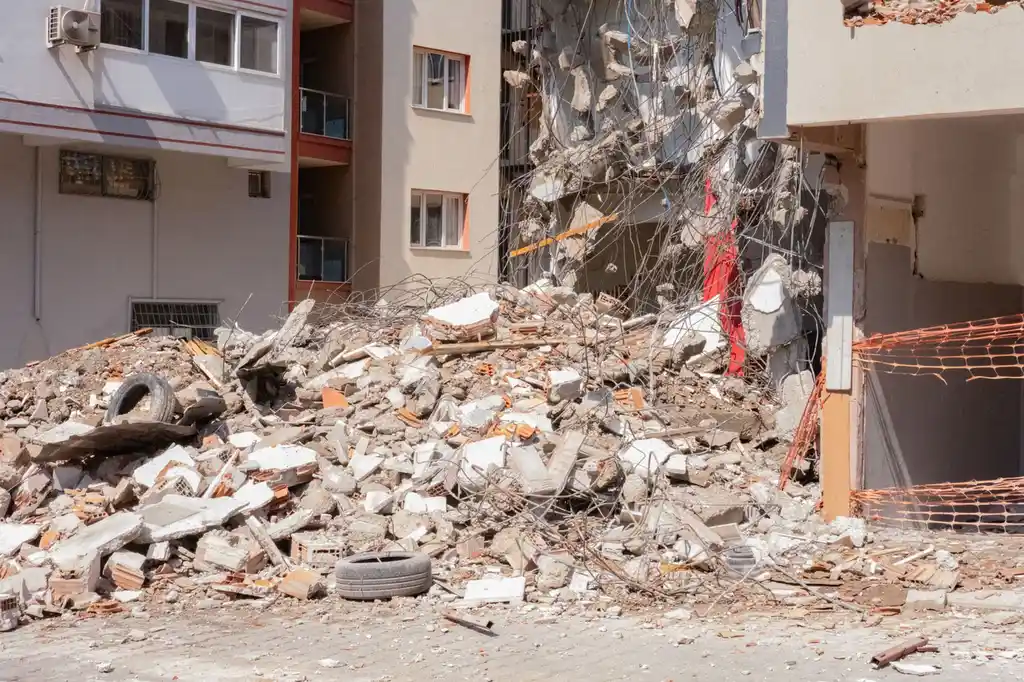
On the last day, we take moisture readings in every affected area and compare them to dry standard. A boroscope camera checks inside wall cavities for any remaining dampness. Once everything passes, we remove equipment and provide a complete drying report with photos and readings. You get documentation for your records and your insurance company.
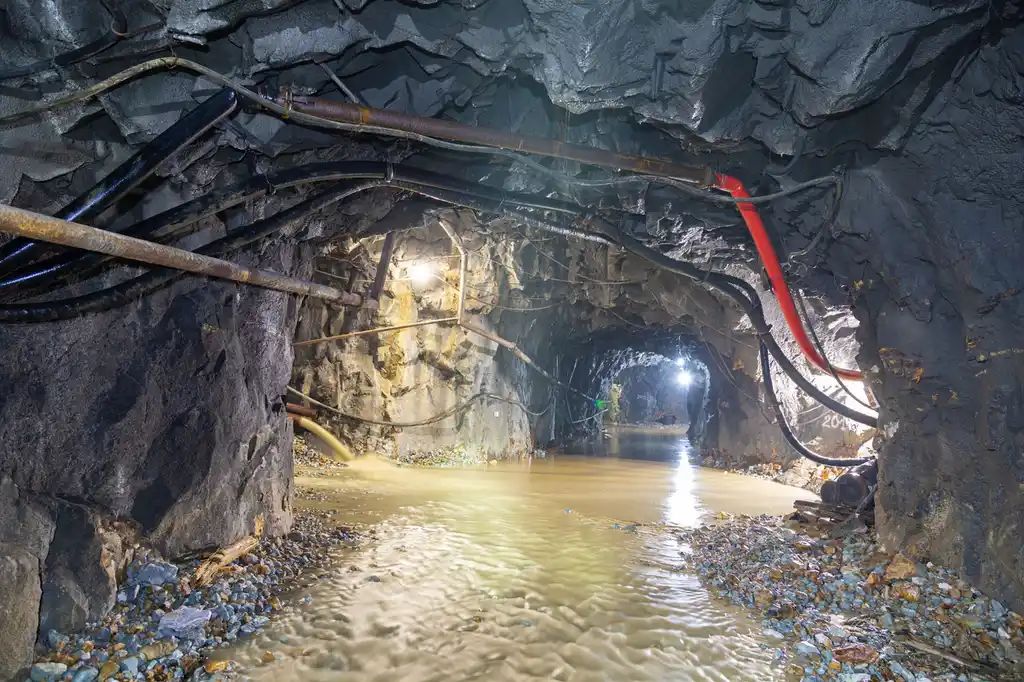
Move across a circle, or focus it and press Enter, for an illustrative thermal view of the photograph.
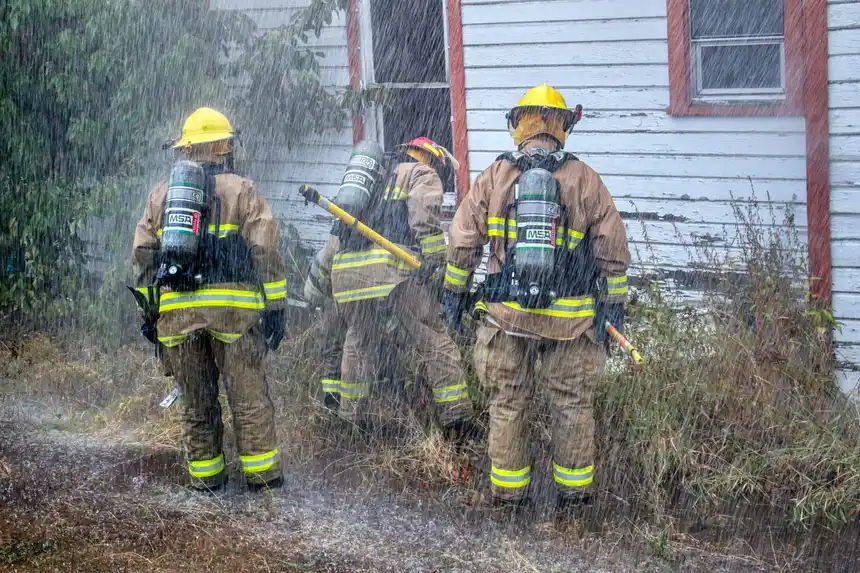
Removes hundreds of gallons per hour from flooded basements. Far faster than shop vacs.
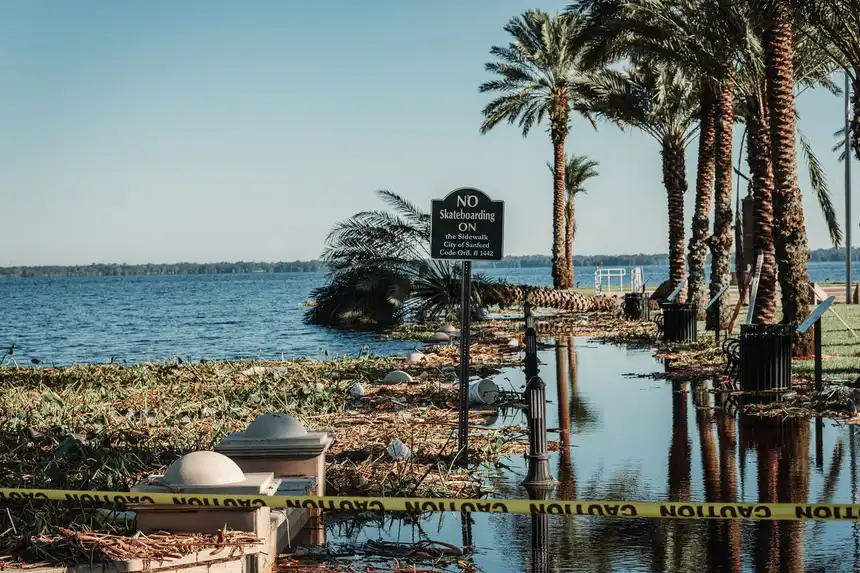
Create a drying vortex across walls and floors to evaporate moisture quickly.
Pull moisture from the air to speed structural drying and prevent mold growth.
Detects hidden water behind walls and under floors without opening surfaces.
Measures moisture content in materials and relative humidity in the air.
Thermal views are illustrative, generated from the photographs.
Inspects inside wall cavities to confirm no hidden moisture remains after drying.
Water Restoration Technician standard ensures we follow proven extraction and drying protocols. Every job is documented to this standard for insurance purposes.
Applied Structural Drying standard guides our equipment placement and monitoring. We adjust drying plans daily based on hygrometer readings.
We follow OSHA 10 safety guidelines for hazardous materials, electrical safety, and PPE. This is critical for sewage backups and contaminated water.
For older Wilmington homes with lead paint, we follow EPA Lead-Safe practices when disturbing painted surfaces during drywall removal.
A pipe bursts in your basement during a January freeze, sending water across the floor.
We also check for frozen pipes elsewhere.
Outcome: Your basement is dry within four days, and the pipe is repaired. You have documentation for insurance.
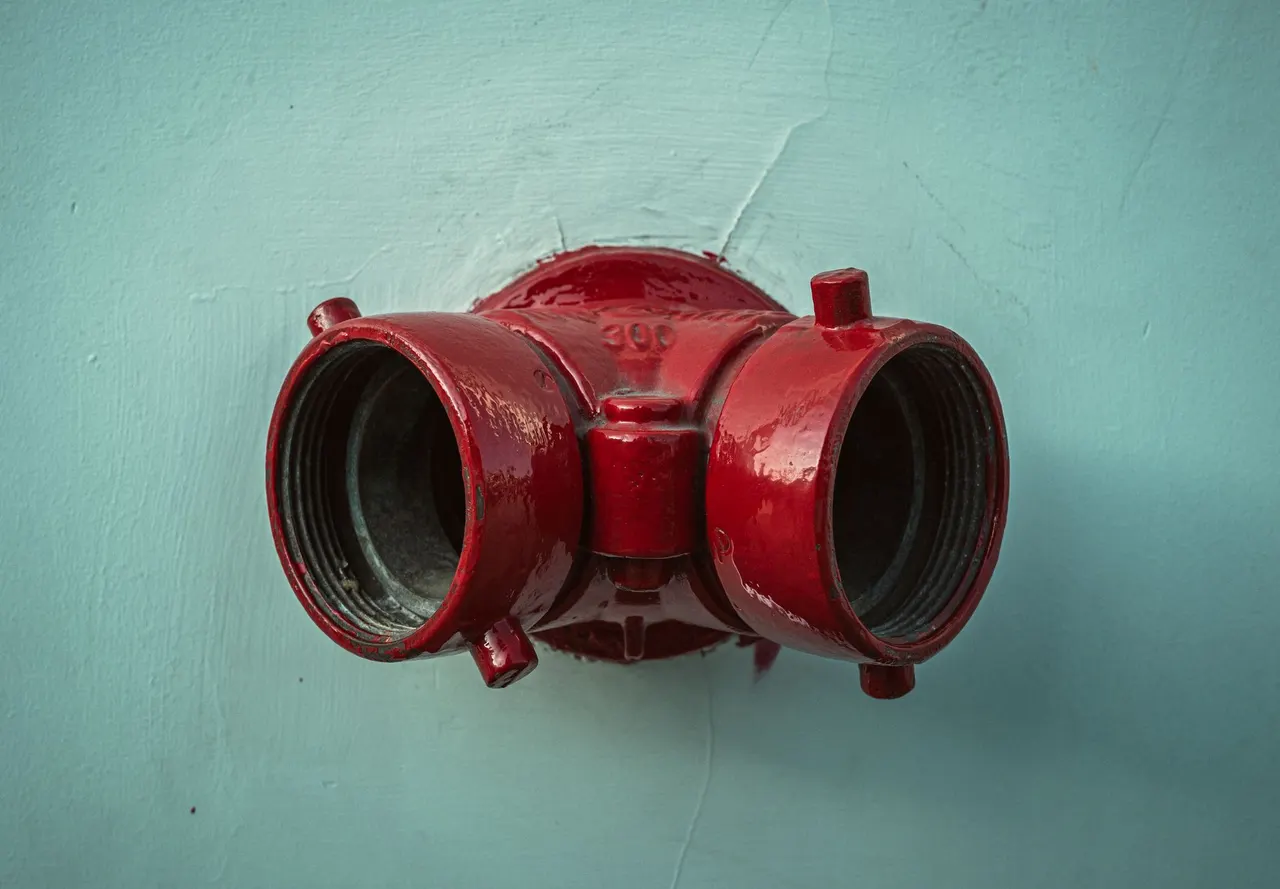
Heavy rain overwhelms your sump pump, and water rises through the floor drain.
We arrive with submersible pumps and truck-mounted extraction. After drying, we test your sump pump and recommend a battery backup system to prevent future failures.
Outcome: Water is gone same day. Drying completes in three to five days. Your pump is ready for the next storm.
A sewage backup sends contaminated water into your finished basement.
We suit up in full PPE, extract the water, and remove all saturated materials. We disinfect the area and dry it with commercial equipment. We follow IICRC AMRT standards for mold prevention.
Outcome: Your basement is safe and clean. We provide a clearance report for your records.
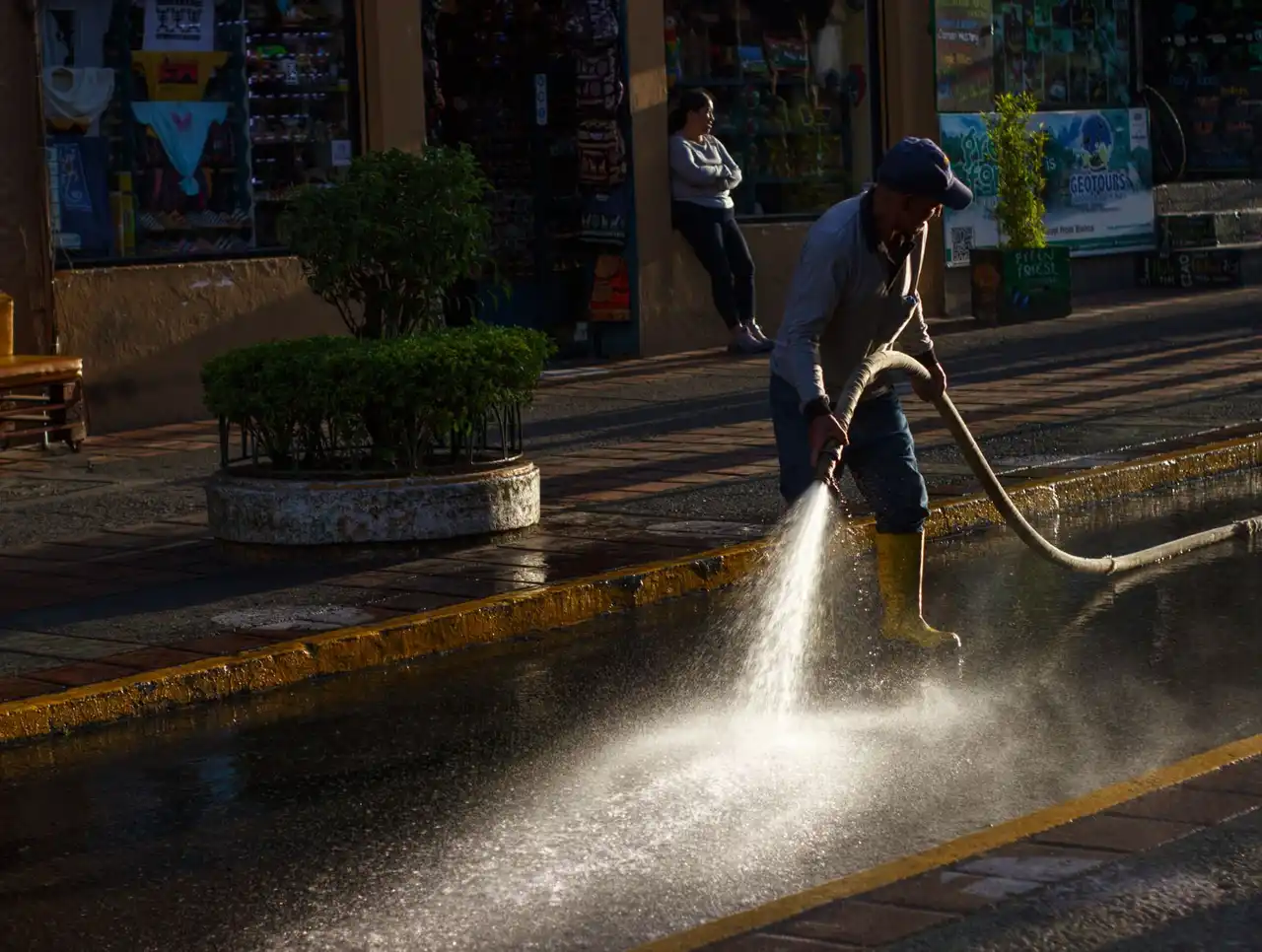
You notice a musty smell and damp spots on your basement walls after a minor leak.
We inspect with thermal imaging cameras and moisture meters to find hidden water. We extract any standing water, dry the area, and treat for mold if needed.
Outcome: The musty smell is gone, and moisture readings are normal. We give you a report with recommendations.
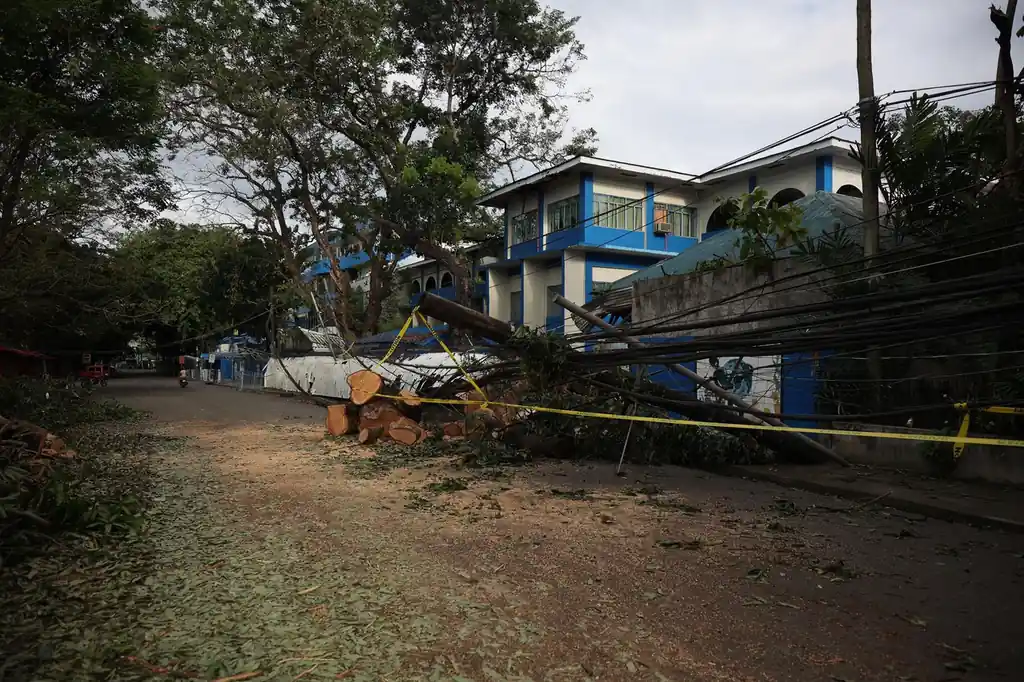
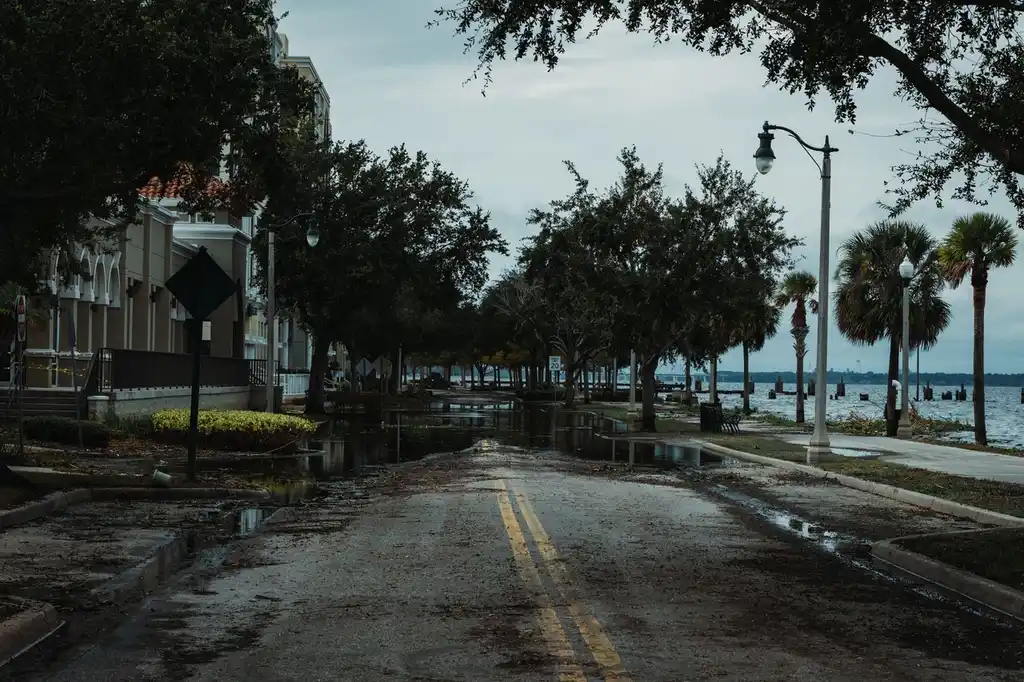
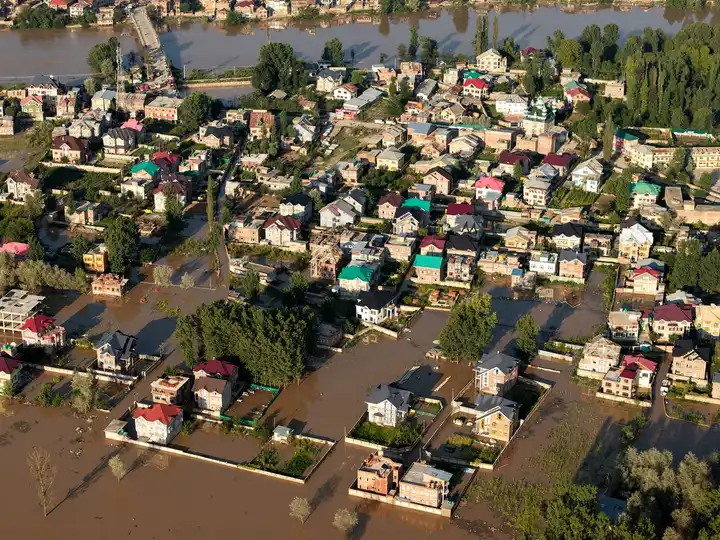
Wilmington's climate and housing stock create specific basement flooding challenges. Our city gets about 44 inches of rain per year, and nor'easters can dump two inches in a few hours. Older neighborhoods like The Highlands and Baynard Village have stone foundations and original clay sewer lines that crack with age. When the Brandywine rises, groundwater pushes through floor cracks and window wells.
We also see frozen pipe bursts in January and February, especially in unheated basements. For flooded basement cleanup Wilmington DE, we adjust our drying plans based on these local conditions. We use thermal imaging cameras to trace water paths through stone walls, and we check sump pumps and discharge lines before we leave. If you need 24 hour basement flood cleanup Wilmington Delaware, call us.
We know which streets flood first and how to dry them fast.
Before: A pipe burst in the basement ceiling at 2 a.m., sending water across the finished floor. The homeowner woke to two inches of standing water and soaked drywall. Mold risk was high within 24 hours.
After: We extracted 180 gallons, removed 40 square feet of saturated drywall, and dried the basement in four days. Moisture readings returned to normal. The homeowner's insurance covered the repair, and we provided a full drying report.
We recommended pipe insulation on exposed lines and a water alarm near the water heater. The homeowner also scheduled an annual plumbing inspection to catch weak joints.
Before: A power outage during a storm killed the sump pump, and water rose through the floor drain. The lower level had three inches of water covering carpet and stored boxes. The condo association needed fast action to prevent mold.
After: We extracted 250 gallons, removed the carpet and pad, and dried the concrete floor in three days. We tested the sump pump and recommended a battery backup. The association received a detailed report for their insurance claim.
We advised the association to test the sump pump monthly and install a water alarm. They also scheduled quarterly pump inspections to avoid another failure.
Before: A clay sewer line collapsed, sending category 3 water into the finished basement. The homeowner discovered the backup when they smelled sewage. The flood covered 300 square feet and soaked drywall and carpet.
After: We suited up in full PPE, extracted the water, and removed all saturated materials. We disinfected the area with antimicrobial and dried it in five days. A clearance test confirmed no bacteria remained. The homeowner's insurance covered the rebuild.
We recommended a sewer line inspection and replacement of the clay pipe. The homeowner also installed a backwater valve to prevent future backups.
From burst pipes to sewage backups, we've seen every type of basement flood. Here's how we solve the most common problems for Wilmington homeowners.
A dry basement means no mold and no more damage.
Truck-mounted water extraction units pull hundreds of gallons per hour from your basement. We start removing water within minutes of arrival, not hours. For a typical 500-square-foot finished basement with two inches of standing water, we can extract the bulk in under 90 minutes. That speed limits how far moisture wicks into drywall and wood framing.
Extraction is only half the job. We set up Dri-Eaz and Phoenix air movers plus commercial dehumidifiers to dry wall cavities, subfloor, and concrete. A hygrometer reading tells us exactly when materials hit safe moisture content. Most basements dry in three to five days. We monitor daily and adjust equipment placement so nothing gets missed behind baseboards or under stairs.
Mold can start growing within 24 to 48 hours of a flood. Our process includes antimicrobial application on affected surfaces and boroscope camera inspections inside wall cavities to confirm no hidden moisture remains. If we find early mold growth, we handle remediation before it spreads. That saves you thousands compared to tearing out finished walls later.
We photograph every affected area, log moisture readings, and provide a detailed scope of work your adjuster can process quickly. Our reports follow IICRC documentation standards, which most major carriers accept without pushback. You get a clear paper trail from the first extraction to the final drying verification, making your claim smoother and faster.
What a written scope covers and what shapes it. Prices are set by the business after the first look.
Included
Depends on
Clear records you can keep and share.
Images of affected areas before and after
Readings showing dry standard achieved
Summary of equipment and daily readings
Work performed and materials removed
Not all flood water is the same. The category determines how we handle cleanup and what can be saved.
From burst pipes or rain
From appliances or toilets
From sewage or ground
A list like this tells people straight away whether you cover their street. Not listed? Call and ask: it only takes a minute.
Based in Wilmington and covering the places around it. Pick one for local details.
We provide a written estimate before starting, and we bill many jobs directly to insurance.
First, don't enter if water covers electrical outlets or the breaker panel. Shut off power at the main if it's safe. Then call us at (302) 775-0748. We handle extraction, material removal, and drying. If you must act before we arrive, use a wet/dry vacuum for shallow water and move valuables to higher ground. Never use a household shop vac on sewage-contaminated water.
Extraction and material removal typically take one day. Structural drying runs three to five days for most basements, with daily monitoring. If your basement has dense materials like tile over concrete or multiple layers of flooring, drying may take six to seven days. We give you a clear timeline after the initial assessment and keep you updated each day.
We can significantly reduce your risk. After drying, we inspect your sump pump, check the discharge line, and test the check valve. We also look for foundation cracks, window well drainage issues, and grading problems that push water toward the house. For older Wilmington homes, we often recommend a battery backup sump pump and a water alarm. These steps won't stop every flood, but they help.
Other services from the same team.
Standing water in your basement? Every hour you wait, mold gets closer. Call (302) 775-0748 now for same-day service and a written estimate before we start.
Call (302) 775-0748 any time, day or night. If you prefer email, send photos and details to info@wilmingtonaquarestore.com and we will follow up with next steps.