For Homes
We help homeowners and tenants deal with frozen pipes and the water they leave behind. Our crew works clean, explains each step, and leaves your space dry.
- Pipe burst in a wall
- Basement flooding
- Ceiling water stains
When a pipe freezes and splits, water can pour into your walls, ceilings, and basement within minutes. We also handle frozen pipe repair and cleanup in Wilmington so your home or business is dry, safe, and back to normal fast.
 Check for hidden moistureExtract standing waterDry to standard
Every frozen pipe job is different, but most Wilmington projects include the same core steps. Here is what is covered in a standard scope, and what we handle as an add-on if the damage is more extensive.
We remove standing water from floors, carpet, and basements using truck-mounted extraction units and portable wet/dry vacuums. This step starts within the first hour on site and typically takes one to three hours depending on volume.
A thermal imaging camera, moisture meter, and hygrometer map exactly where water traveled. We check behind baseboards, inside wall cavities with a boroscope camera, and under flooring to make sure nothing is missed.
We test the repair under pressure before closing up the wall so you know the leak is fixed.
Air movers and dehumidifiers from Dri-Eaz and Phoenix Restoration Equipment dry the framing, drywall, and subfloor. We monitor daily and adjust equipment until readings match the dry standard, usually within three to five days.
We remove damaged drywall, insulation, and flooring, then clean and sanitize affected surfaces. This includes treating for bacteria and odor so your home smells clean and is safe to occupy.
You receive a closing report with before-and-after moisture readings, photos of the work, and a summary of repairs. This document supports your insurance claim and gives you a record of the restoration.
The approach is the same for a home and a business. What changes is the access, the schedule and who needs the paperwork.
We help homeowners and tenants deal with frozen pipes and the water they leave behind. Our crew works clean, explains each step, and leaves your space dry.
We help property managers and business owners get back to work after a frozen pipe loss. We schedule around your hours and document everything for your claim.
A plain-language look at what Frozen Pipe Water Damage Restoration involves and when it is needed.
See how it worksFrozen Pipe Water Damage Restoration in Wilmington is the process of thawing a frozen line, stopping the leak, extracting standing water, and drying the structure before mold or rot sets in. It starts with thermal imaging and a moisture meter to find hidden saturation behind drywall, under hardwood, and inside ceiling cavities. From there we use water extraction units, air movers, and dehumidifiers to pull moisture out of PEX piping, copper pipe, plywood, and tile until readings match a dry standard.
Wilmington winters regularly drop into the teens and single digits, and older homes in The Highlands, Trolley Square, and Forty Acres often have uninsulated pipes in exterior walls or crawlspaces. That is why frozen pipe flooding cleanup Wilmington Delaware calls spike after every hard freeze. If you search for frozen pipe water damage restoration near me Wilmington, you want a crew that knows how these older homes are built and where water travels once a pipe bursts.
A frozen pipe is a water problem first and a plumbing problem second.
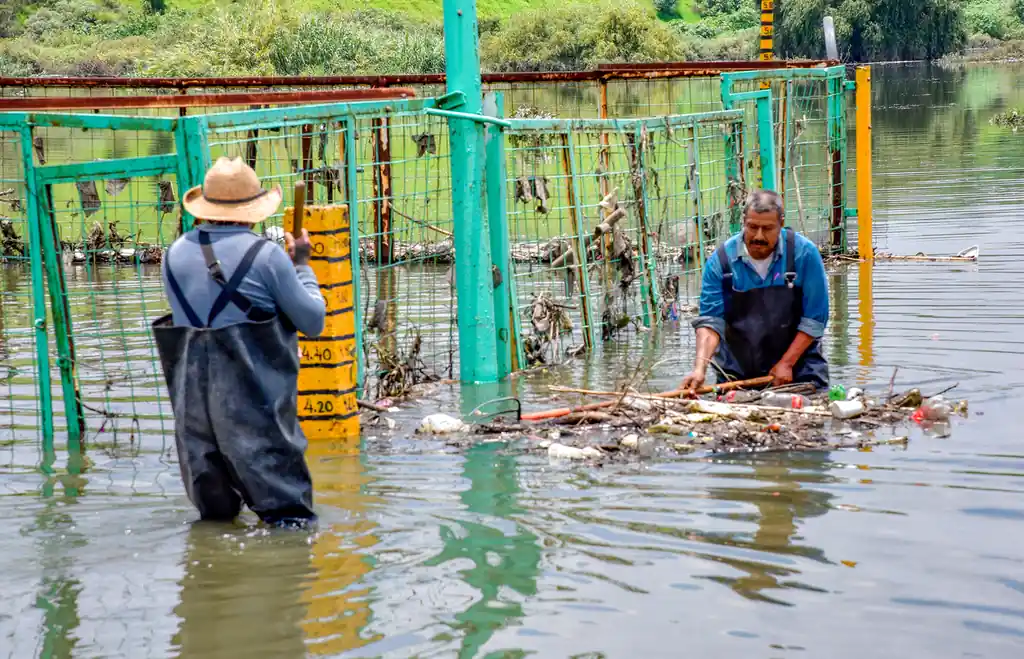
From the first phone call to the final moisture check, here is exactly how we handle a frozen pipe water damage job in Wilmington.
You call (302) 775-0748 and speak with a real person, not a call center. We ask where the water is coming from, whether you have shut off the main, and what type of flooring is affected. Within minutes we dispatch a crew with water extraction units and drying equipment. You get an arrival window and a direct number for the technician.
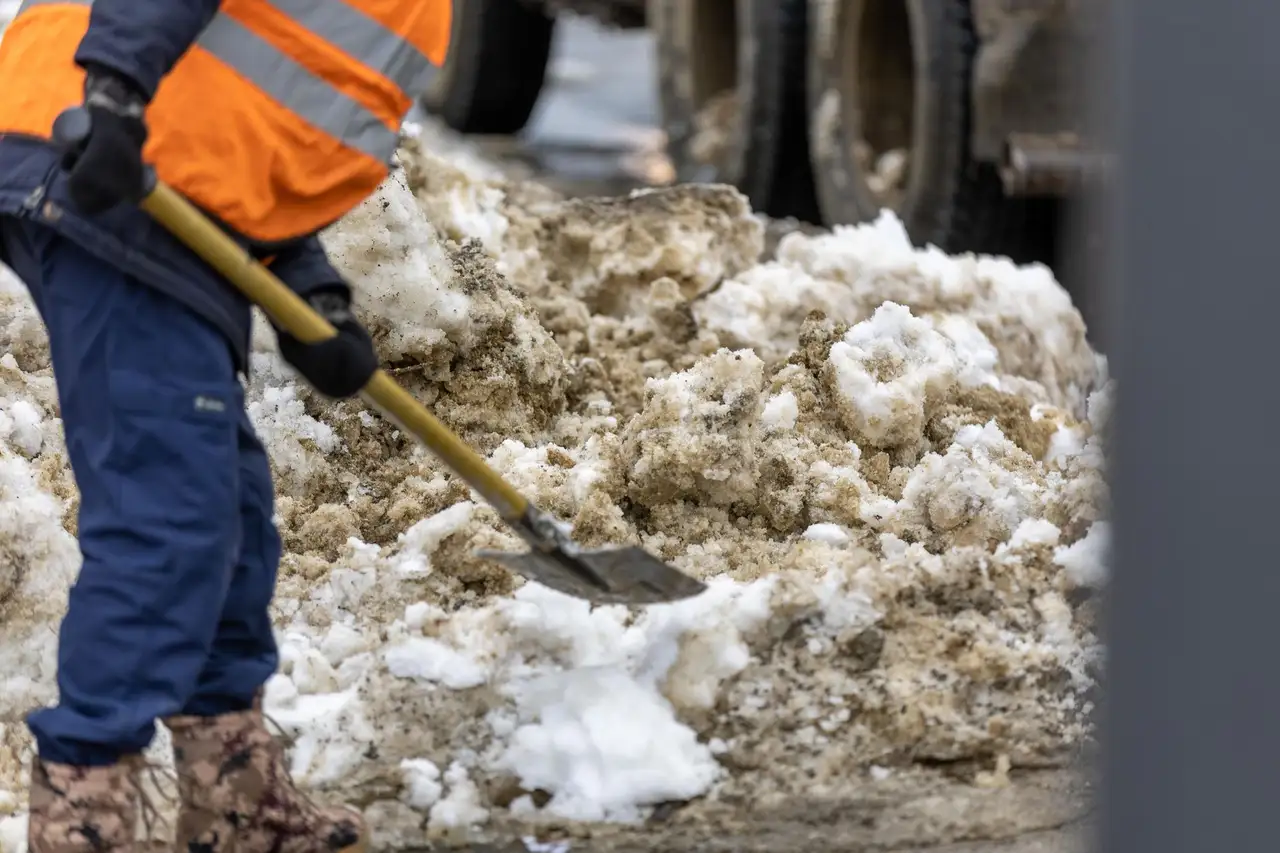
On arrival we locate the frozen or burst pipe, confirm the water source, and shut off the supply if you have not already. We use a thermal imaging camera and moisture meter to map how far water has traveled behind walls, under floors, and into ceilings. This usually takes 20 to 30 minutes and tells us exactly what we are dealing with.
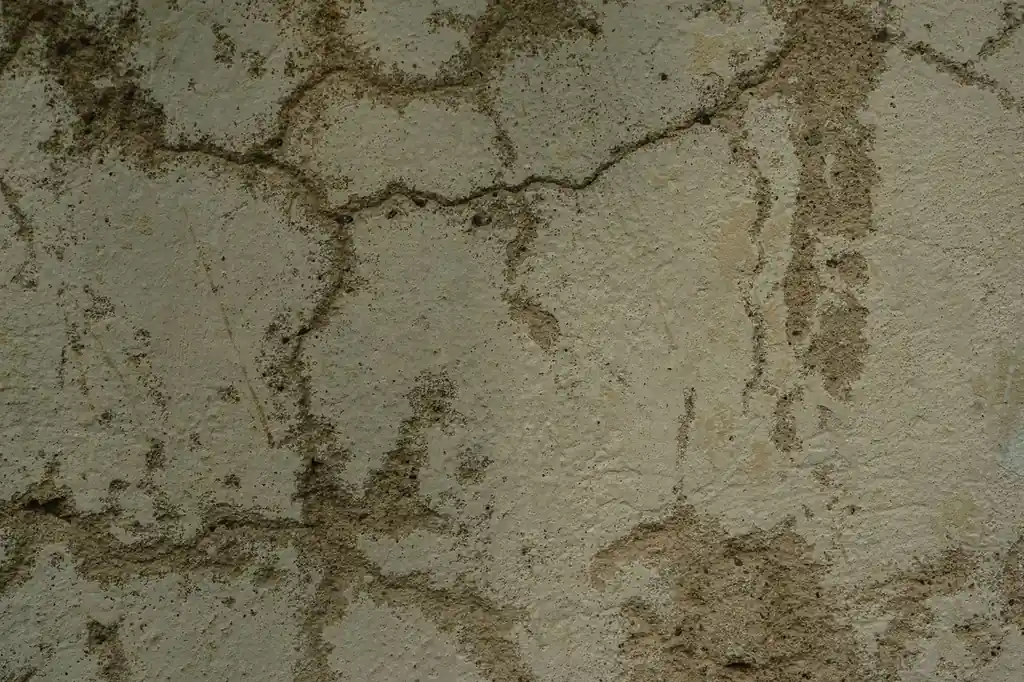
We remove standing water with truck-mounted and portable water extraction units, then use wet/dry vacuums and Bissell-style extractors for carpet and upholstery. For basement flooding or groundwater intrusion, we deploy sump pumps to clear the bulk of the water fast. Extraction typically takes one to three hours depending on volume.
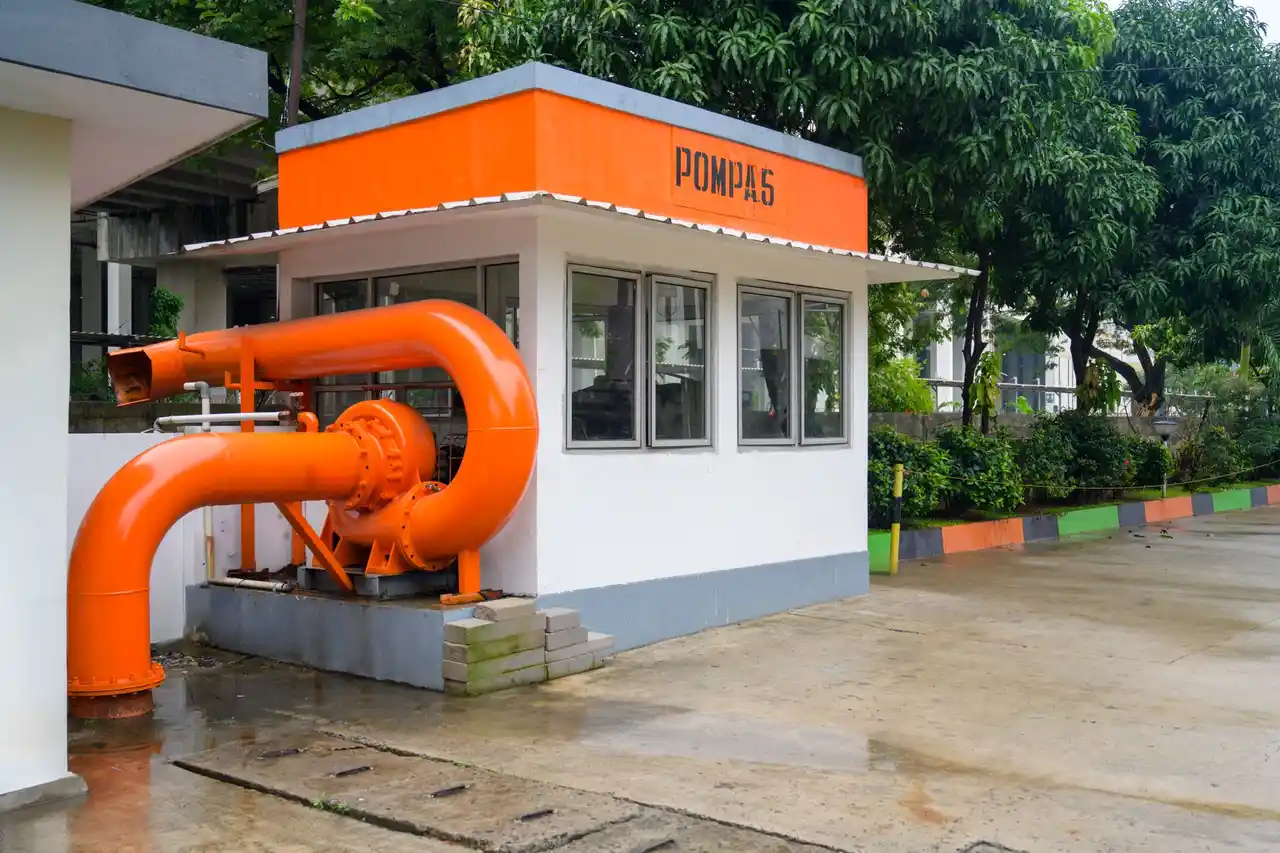
We set up air movers and dehumidifiers to dry drywall, plywood, wood flooring, and framing. A boroscope camera lets us check inside wall cavities without cutting large holes. We monitor with a hygrometer and moisture meter daily, adjusting equipment until readings match the dry standard for your home. Most Wilmington jobs dry in three to five days.
Once the structure is dry, we repair or replace the damaged pipe, patch drywall, and restore flooring as needed. We take final moisture readings, photograph the completed work, and walk you through everything before we pack up. You get a closing report with before-and-after readings for your records and your insurance claim.
Move across a circle, or focus it and press Enter, for an illustrative thermal view of the photograph.
Finds temperature differences behind walls and under floors to locate hidden water and confirm where a pipe has frozen or burst.
Measures moisture content in drywall, wood, and concrete, and tracks humidity levels during drying to confirm when materials are dry.
Removes standing water from carpet, hardwood, and concrete floors quickly, reducing drying time and limiting secondary damage.
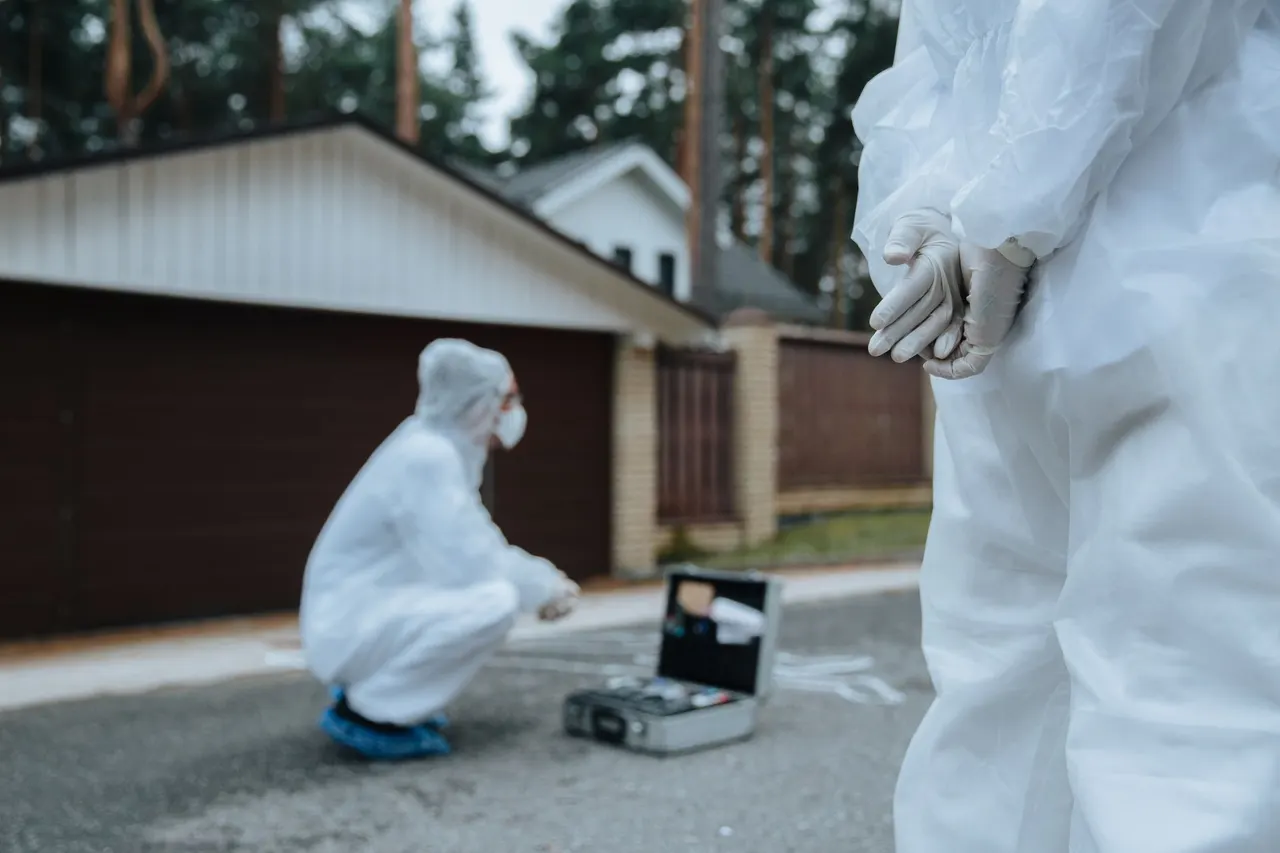
Pulls moisture out of the air so wet materials dry faster. We size the units to the cubic footage of the affected space.
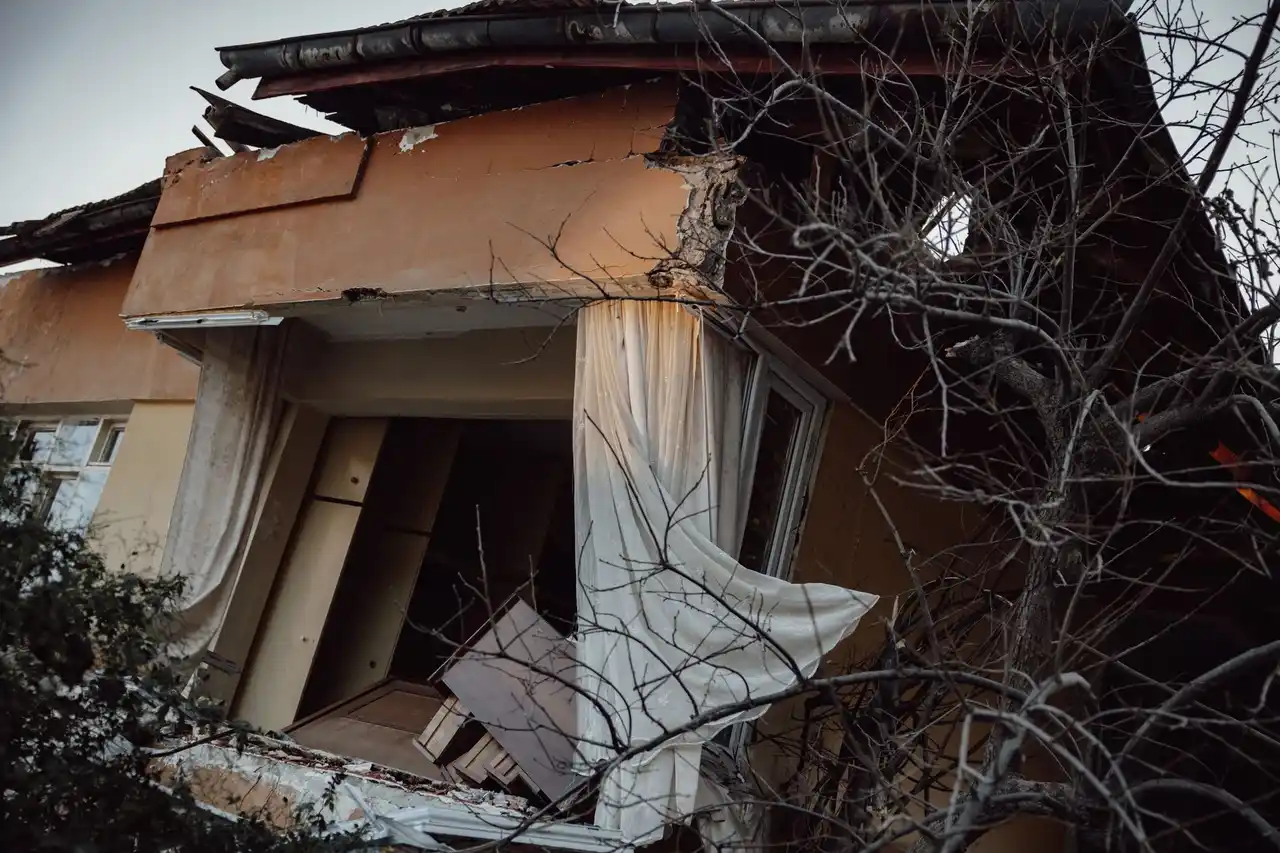
Lets us see inside wall cavities without cutting large holes, so we can confirm whether framing and insulation are wet.
Thermal views are illustrative, generated from the photographs.
Clears bulk water from basements and low areas, especially after basement flooding or groundwater intrusion.
We follow the IICRC S500 standard for water damage restoration, which sets drying goals based on the type of water, the materials affected, and the ambient conditions. This gives us a measurable target instead of guessing when a room is dry.
Before we extract, we scan the affected area with a thermal imaging camera to map the full extent of the water. This method finds moisture behind walls and under floors that a visual inspection would miss.
We take hygrometer and moisture meter readings every day during the drying phase. If readings are not dropping as expected, we adjust equipment placement or add more air movers to keep the job on schedule.
When mold or sewage is involved, we set up containment barriers and use air scrubbers to prevent spores and odors from spreading to unaffected rooms. This protects your family and the rest of your home.
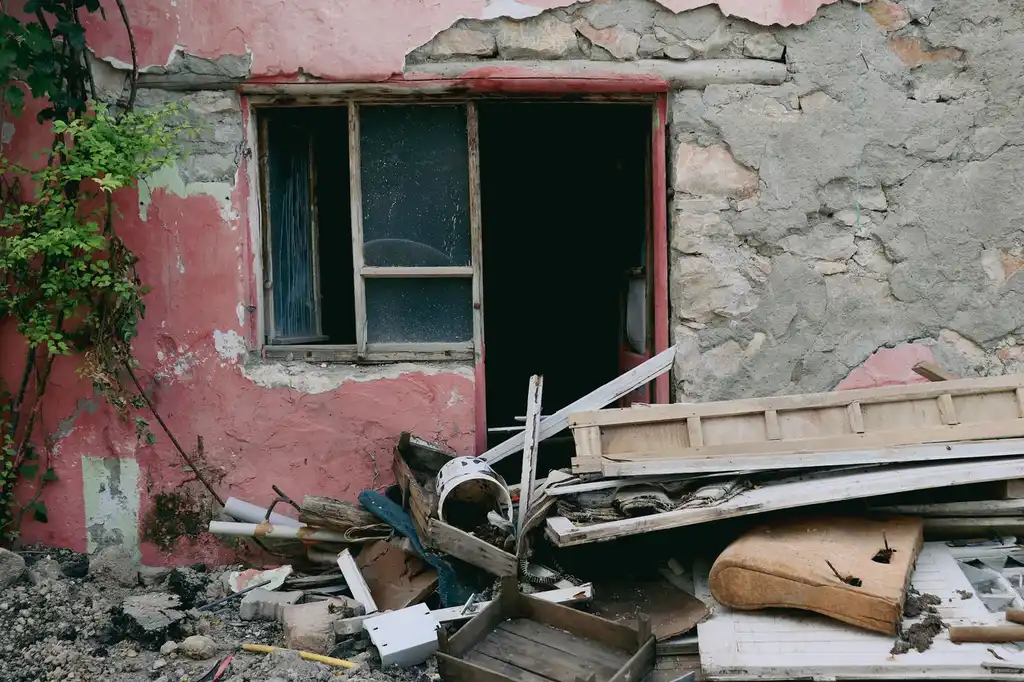
A pipe freezes overnight in an unheated crawlspace of a row home in Hedgeville, then bursts when the sun hits it in the morning.
We shut off the water, extract the standing water from the basement, repair the split copper pipe, and set up drying equipment. A boroscope camera checks the wall cavities for hidden moisture.
Outcome: The basement is dry in three days, the pipe is repaired, and the homeowner avoids mold growth and a much larger repair bill.
A commercial building on the Riverfront has a frozen sprinkler line that bursts and floods 1,200 square feet of office space over a weekend.
We mobilize a larger crew with multiple extraction units and dehumidifiers, work through the weekend, and coordinate with the building manager to keep tenants informed.
Outcome: The office is dry and ready for employees by Monday morning, with full documentation for the property insurance claim.
A homeowner in The Highlands notices a ceiling stain and sagging drywall after a hard freeze but cannot find the source.
We use a thermal imaging camera and moisture meter to trace the water back to a pinhole leak in a frozen copper pipe inside the wall. We repair the pipe, extract water, and replace the damaged drywall.
Outcome: The ceiling is restored, the leak is fixed, and the homeowner avoids a ceiling collapse and mold remediation.
A landlord in Trolley Square gets a call that a tenant's pipe burst and water is running down the stairs into the unit below.
We respond within the hour, extract water from both units, dry the stairwell and flooring, and document the damage for the landlord's insurance claim.
Outcome: Both units are dry within four days, the tenant stays in place, and the landlord has a complete report for the adjuster.
Wilmington winters bring hard freezes that hit older housing stock especially hard. Row homes in Hedgeville, Browntown, and Southbridge often have pipes running through exterior walls with little or no insulation, and crawlspaces in The Highlands and Wawaset Park can drop below freezing for days.
When a pipe bursts, water follows the path of least resistance, which in these homes often means down through floors and into basements or the unit below. We know these building types and where water tends to travel. Our crews also deal with the freeze-thaw cycle that hits New Castle County in late winter, when daytime melting sends water into foundations and sump pits.
If you need same day frozen pipe water damage restoration Wilmington DE, call us early.
Before: A second-floor supply pipe froze and burst, sending water through the ceiling into the kitchen below. The ceiling was sagging, the hardwood floor was cupping, and the homeowner had shut off the main but could not stop the spread.
After: We extracted 40 gallons of water, removed the damaged ceiling drywall, and dried the framing and hardwood for four days. The pipe was repaired, the ceiling replaced, and the floor dried flat. Final moisture readings were within the dry standard.
Keep cabinet doors open under sinks during freezes and let faucets drip overnight. Insulate the exterior wall section where the pipe runs to prevent a repeat freeze.
Before: A frozen sprinkler line burst over a weekend, flooding 1,200 square feet of office space. Water sat for two days before anyone noticed, and the carpet was soaked through to the concrete slab.
After: We extracted the water, removed the carpet and pad, and dried the concrete and drywall with dehumidifiers and air movers. The office was dry in three days and ready for employees. We documented everything for the insurance claim.
Have the sprinkler system inspected before winter and keep the building above 55 degrees during cold snaps. A monitored alarm can catch leaks before they spread.
Before: A pinhole leak in a crawlspace pipe went unnoticed for a week, saturating the subfloor and insulation. The homeowner noticed a musty smell and soft spot in the floor but did not see any water.
After: We used a thermal imaging camera to find the leak, repaired the copper pipe, and dried the subfloor and joists. The insulation was replaced, and moisture readings returned to normal in five days. No mold growth was found.
Insulate crawlspace pipes and keep the space sealed against cold air. Check for musty odors or soft floors after every winter, and call us if you notice either.
A frozen pipe does not just leak. It creates a chain of problems that get worse the longer they sit. Here is what we fix for Wilmington homeowners and property managers.
A dry, safe home with the pipe fixed and the damage documented.
Our technicians carry water extraction units, moisture meters, and thermal imaging cameras on every truck, so we start pulling water the moment we walk in. That speed limits how far frozen pipe water damage spreads through your floors and walls.
We photograph every affected room, log moisture readings, and provide a written scope you can hand directly to your adjuster. Most frozen pipe claims in Wilmington DE are covered when the damage is documented properly. Our reports include thermal images, hygrometer readings, and a room-by-room inventory of damaged materials.
You get one crew handling both the water damage and the pipe repair, which means fewer delays and no finger-pointing.
Mold can begin growing within 24 to 48 hours of a water event. We use Dri-Eaz and Phoenix Restoration Equipment dehumidifiers to pull humidity below 50 percent, then verify with a hygrometer before we remove any drying equipment. If we find mold growth behind baseboards or under flooring, we handle remediation in the same project.
What a written scope covers and what shapes it. Prices are set by the business after the first look.
Included
Depends on
Clear records you can keep and share.
Daily readings from each affected room
Before and after images of the work
Written summary of work performed
Final readings and repair summary
Not all water damage is the same. The type of water and the materials affected determine how we dry and repair.
From a burst supply line or frozen pipe
From appliance leaks or toilet overflow
From sewage backup or ground flooding
A list like this tells people straight away whether you cover their street. Not listed? Call and ask: it only takes a minute.
Based in Wilmington and covering the places around it. Pick one for local details.
We provide a written scope and price before work begins, and we bill most insurance carriers directly.
Insulate pipes in exterior walls, crawlspaces, and attics with pipe insulation, and keep cabinet doors open under sinks during hard freezes. Let faucets drip overnight when temperatures drop below 20 degrees, and disconnect garden hoses before the first freeze. If you leave town in winter, set your thermostat no lower than 55 degrees and have someone check the house weekly.
Shut off the main water valve immediately, then open the lowest faucet in the house to drain remaining water and relieve pressure. Turn off electricity to any affected rooms at the breaker panel if it is safe to reach. Call us at (302) 775-0748 for emergency frozen pipe flooding cleanup Wilmington DE, and do not use a torch or open flame to thaw the pipe.
Most standard homeowners policies cover sudden and accidental frozen pipe damage, including extraction, drying, and repairs. Coverage usually excludes damage from neglected maintenance or unheated vacant homes. We document every affected area with photos and moisture readings, then provide a report your adjuster can use to process the claim quickly.
Other services from the same team.
Water from a burst pipe spreads fast. One call handles the pipe repair, the water cleanup, and the drying. Call (302) 775-0748 now.
Call (302) 775-0748 any time, day or night. If you prefer email, send photos and details to info@wilmingtonaquarestore.com and we will follow up with next steps.