For Homes
We restore drywall in houses, rowhouses, and apartments after leaks and floods. You get a dry wall and a finished repair.
- Burst pipe behind a wall
- Ceiling stain from upstairs
- Basement drywall soaked
Drywall Water Damage Restoration in Wilmington starts the moment we arrive, because soaked gypsum board fails within 24 to 48 hours. We extract standing water, cut out unsalvageable sections, dry the framing, and rebuild the wall so your room looks finished again. If a pipe burst, a water heater let go, or a storm pushed water through your ceiling, call Wilmington AquaRestore at (302) 775-0748.
 Moisture mappingWall cavity dryingDrywall rebuild
Every drywall water damage restoration project starts with a thorough inspection and ends with a finished wall. Here is what is covered in a standard scope, and what we handle as an add-on if needed.
We use a moisture meter, thermal imaging camera, and hygrometer to find every wet area behind your drywall. Readings are recorded and explained so you know exactly what is damaged and what can be saved.
Standing water is extracted with a water extraction unit and wet/dry vacuum. Saturated drywall that cannot be saved is removed in clean cuts and hauled away.
Air movers and dehumidifiers run until the wall cavity and framing reach dry standard. We check readings daily and adjust equipment to speed drying and prevent mold.
After the cavity is dry, we apply an antimicrobial treatment to framing and surrounding surfaces. This stops mold growth before it starts and keeps your repair from failing.
New drywall is installed, taped, and finished with joint compound. We sand and prime so the surface is ready for paint. Ceiling repairs are handled the same way.
Before we close the wall, we take final moisture readings to confirm the cavity is dry. You get a written record of the readings for your files and your insurance company.
The approach is the same for a home and a business. What changes is the access, the schedule and who needs the paperwork.
We restore drywall in houses, rowhouses, and apartments after leaks and floods. You get a dry wall and a finished repair.
We restore drywall in offices, retail spaces, and multi-unit buildings. We work around your schedule to limit downtime.
A plain-language look at what Drywall Water Damage Restoration involves and when it is needed.
See how it worksDrywall Water Damage Restoration in Wilmington is the process of removing water from soaked gypsum board, drying the wall cavity, and rebuilding the damaged sections so the surface is flat, sealed, and paintable again. Drywall is basically a paper-wrapped gypsum core, and once that paper stays wet for more than a day or two, it swells, sags, and feeds mold. We use moisture meters and thermal imaging cameras to find hidden water behind the wall before it spreads into insulation or framing.
Wilmington's older rowhouses and brick buildings in neighborhoods like Trinity Vicinity and Brandywine Village hold moisture in ways newer construction does not. A slow plumbing leak behind a kitchen wall or a roof leak that drips into a ceiling can soak drywall for weeks before you notice a stain. When you search for drywall water damage restoration near me Wilmington, you want a crew that knows how these buildings dry. We handle drywall water extraction Wilmington Delaware homeowners call about after every heavy rain.
Drywall that stays wet grows mold, so fast extraction and drying save the wall.
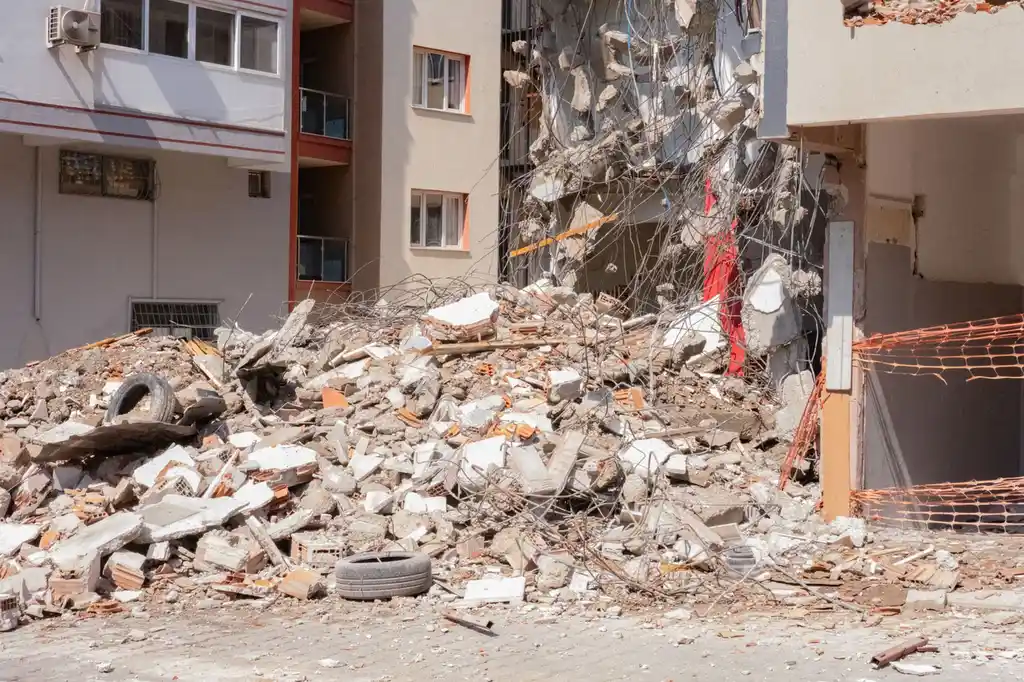
Every drywall water damage job follows the same proven sequence. Here is exactly what happens from the first phone call to the final coat of paint.
You call (302) 775-0748 and describe what happened. We ask about the source, how long the water ran, and whether the ceiling is sagging. A technician is dispatched with extraction and drying equipment. Same day drywall water damage restoration Wilmington DE service is available for active leaks and storm damage.
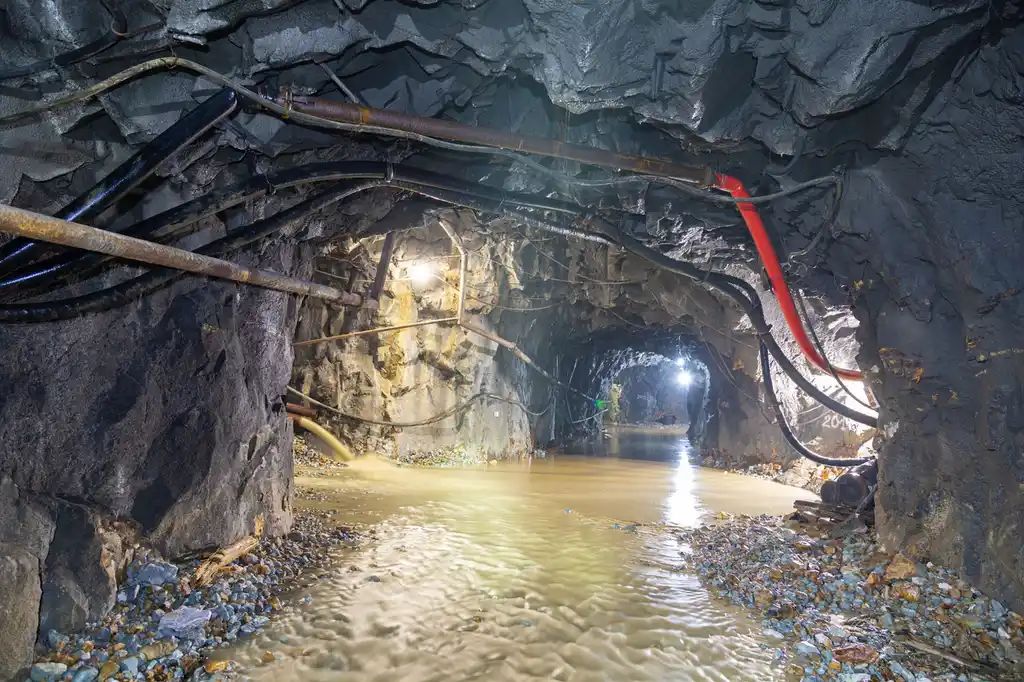
We walk the affected rooms with a moisture meter, thermal imaging camera, and hygrometer. Readings are recorded on every wet wall. A boroscope camera checks inside the cavity when the source is hidden. You get a plain-English explanation of what is wet and what has to come out.
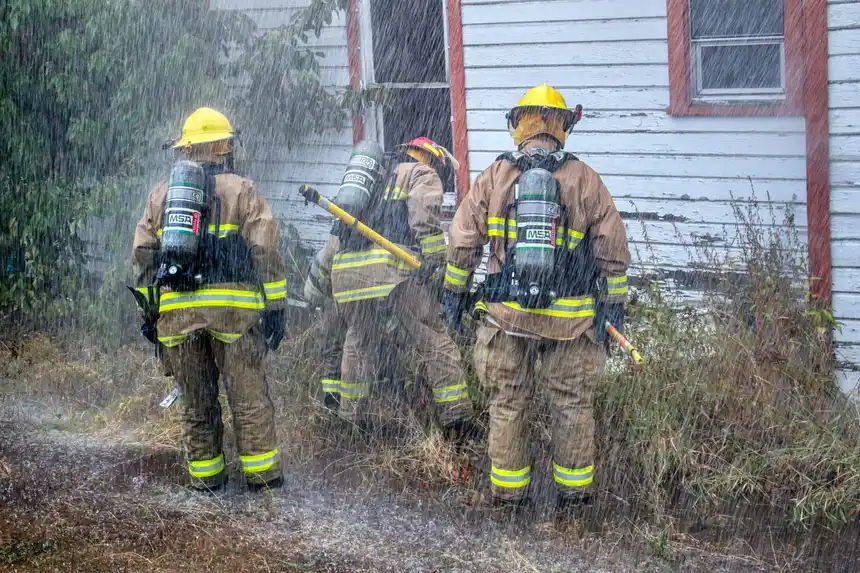
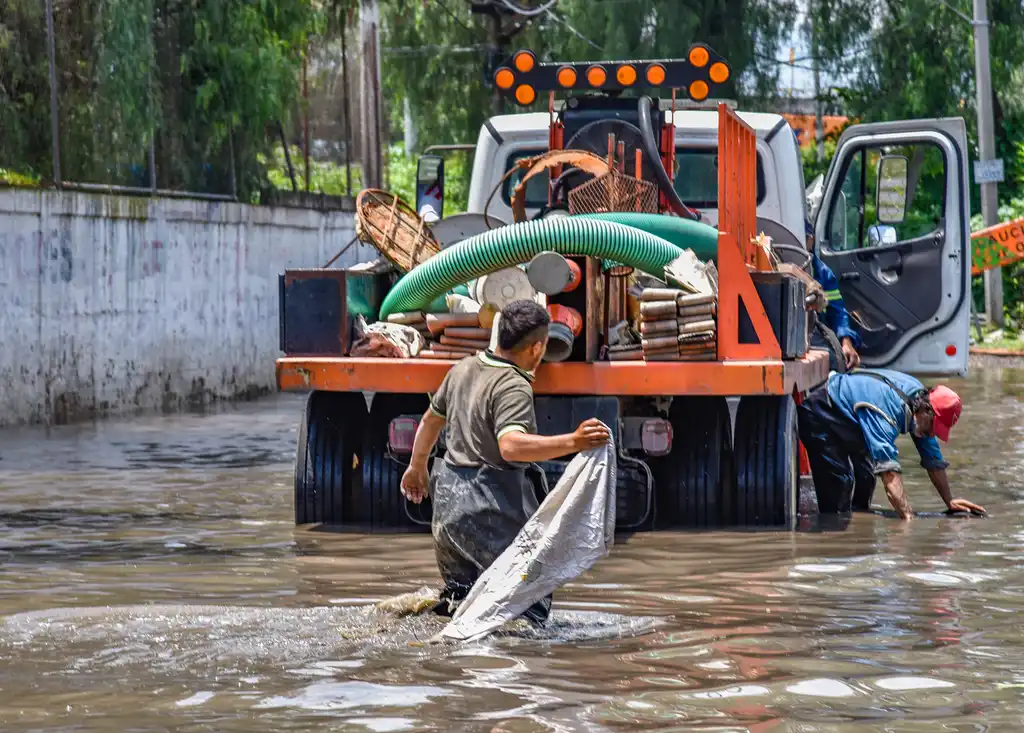
Standing water is pulled with a water extraction unit and wet/dry vacuum. We use a sump pump in basements and a Shop-Vac or RIDGID for tight spaces. Saturated drywall that has lost its structural integrity is scored and removed in clean rectangular cuts so the repair is easy to patch.
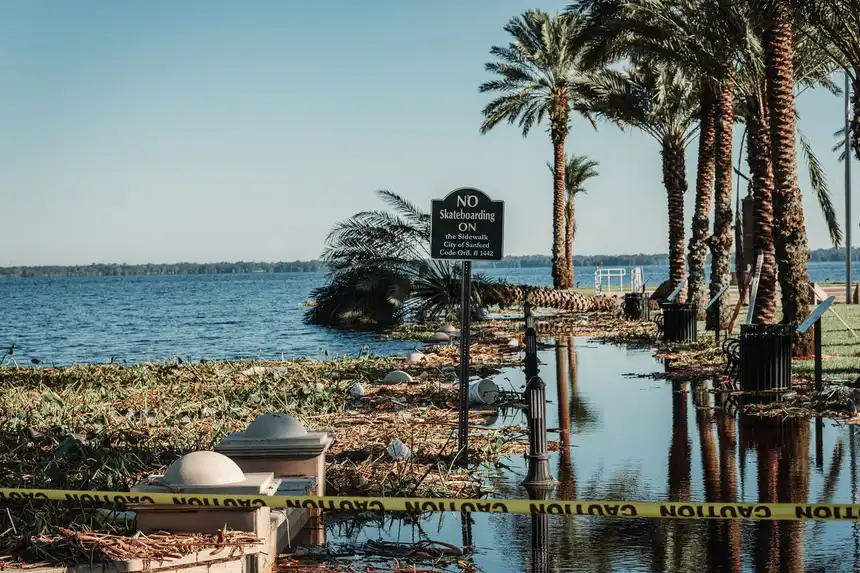
Air movers and dehumidifiers run continuously to dry the wall cavity, framing, and subfloor. We check readings daily with a moisture meter and adjust equipment placement. Most walls reach dry standard in three to five days. Dehumidifier filters are changed as needed to keep the air clean.
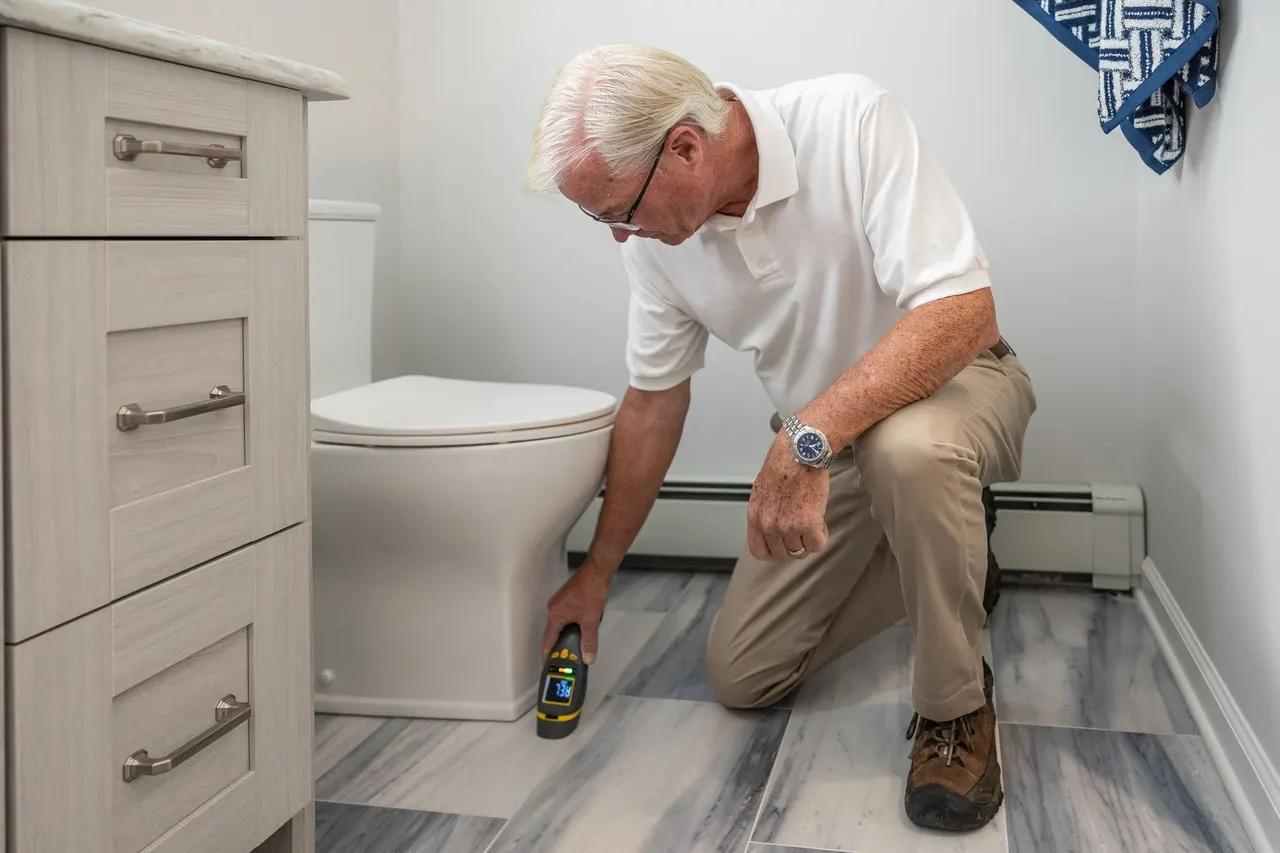
Once the cavity is dry, we install new drywall, tape, and joint compound, then sand and prime. Ceiling water damage is repaired the same way. The finished surface is ready for your paint.
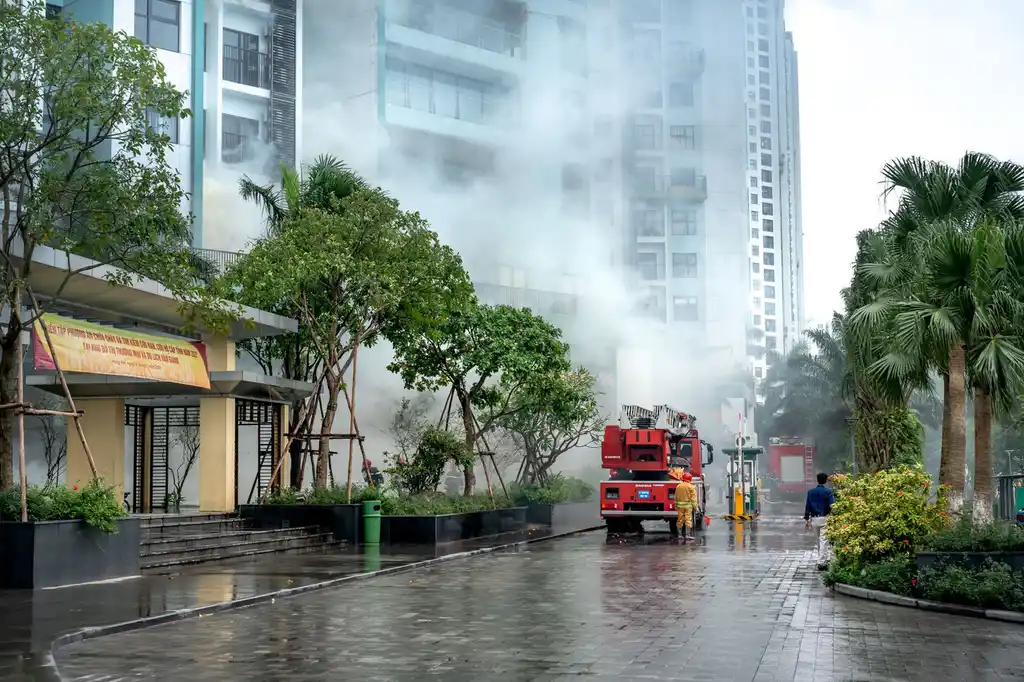
Move across a circle, or focus it and press Enter, for an illustrative thermal view of the photograph.
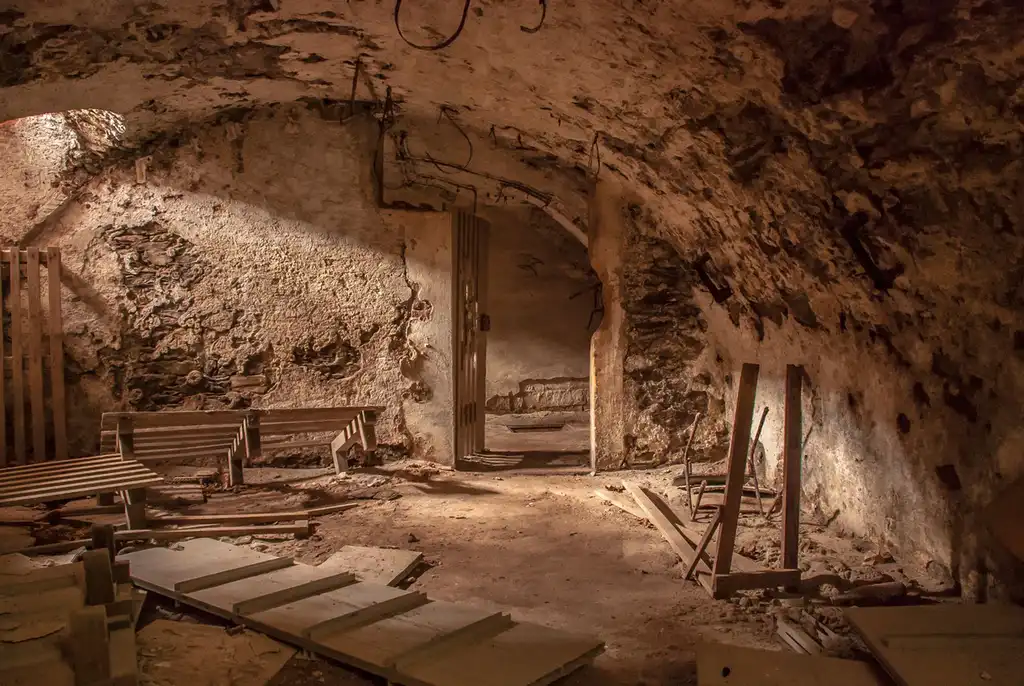
Measures moisture content in drywall and framing to determine what is wet and when it is dry.

Reveals temperature differences behind walls to locate hidden water without cutting exploratory holes.
High-velocity air movers circulate air across wet surfaces to speed evaporation from drywall and framing.
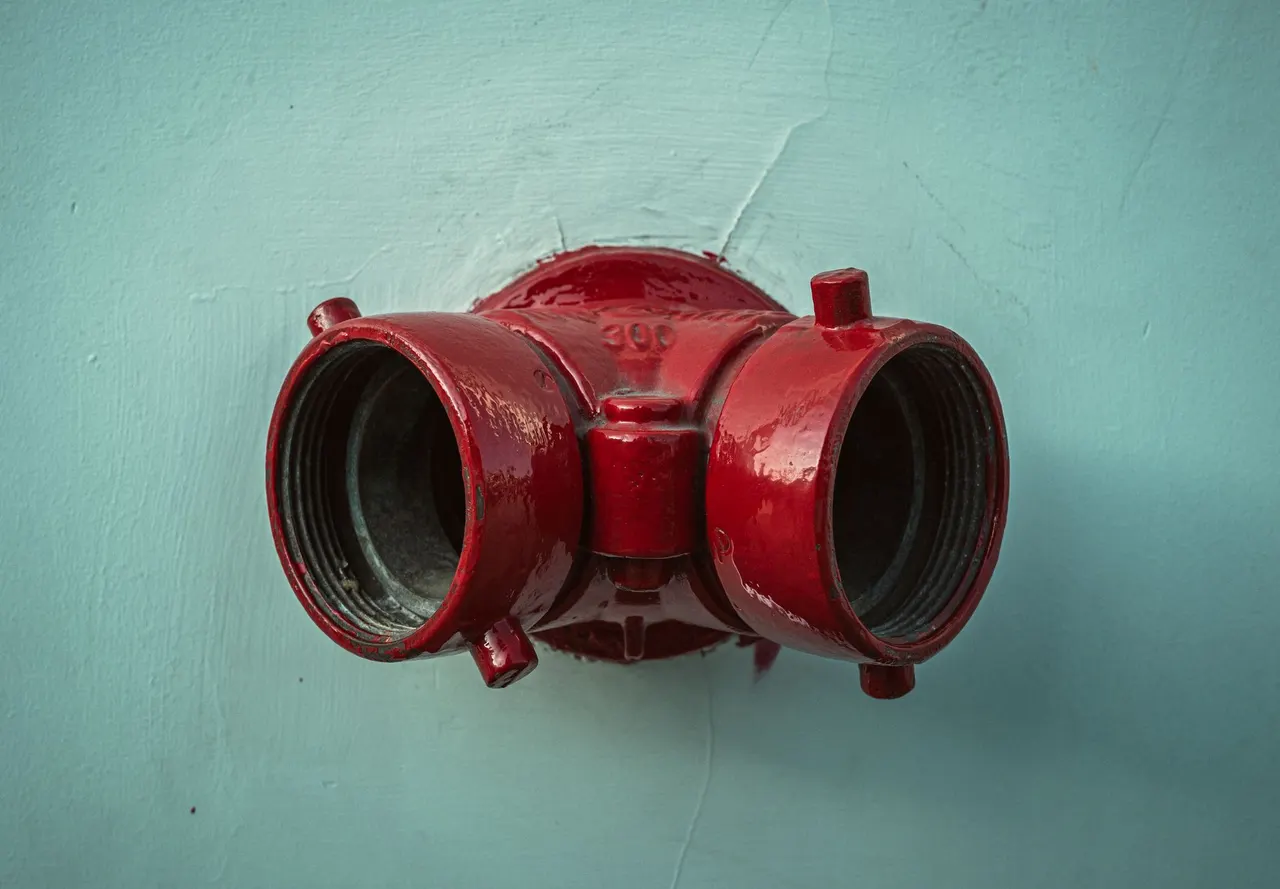
Removes moisture from the air, preventing it from re-absorbing into drywall and other materials.
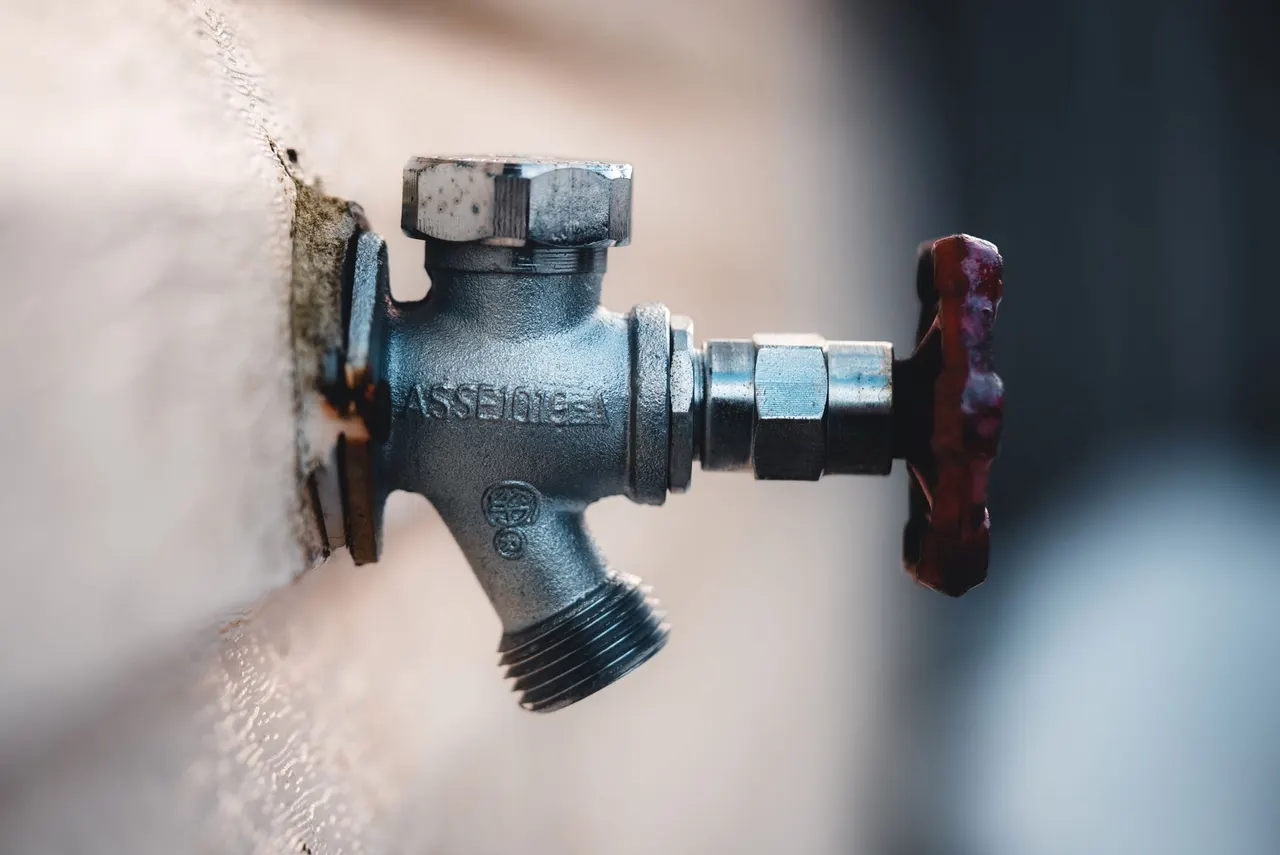
Inspects inside wall cavities to find the source of leaks and confirm drying progress.
Thermal views are illustrative, generated from the photographs.
Truck-mounted or portable unit that pulls standing water from floors and wall cavities quickly.
Measures relative humidity in the air to ensure drying equipment is working effectively.
We follow IICRC Water Restoration Technician standards for water extraction, drying, and documentation. This ensures a consistent, proven process on every job.
We map moisture readings across every affected wall and record them daily. This data drives decisions about what to dry and what to remove.
When mold is present, we set up containment and run air scrubbers to prevent spores from spreading to clean areas of your home.
After drying, we apply an antimicrobial treatment to framing and surrounding surfaces to stop mold growth before the wall is closed.
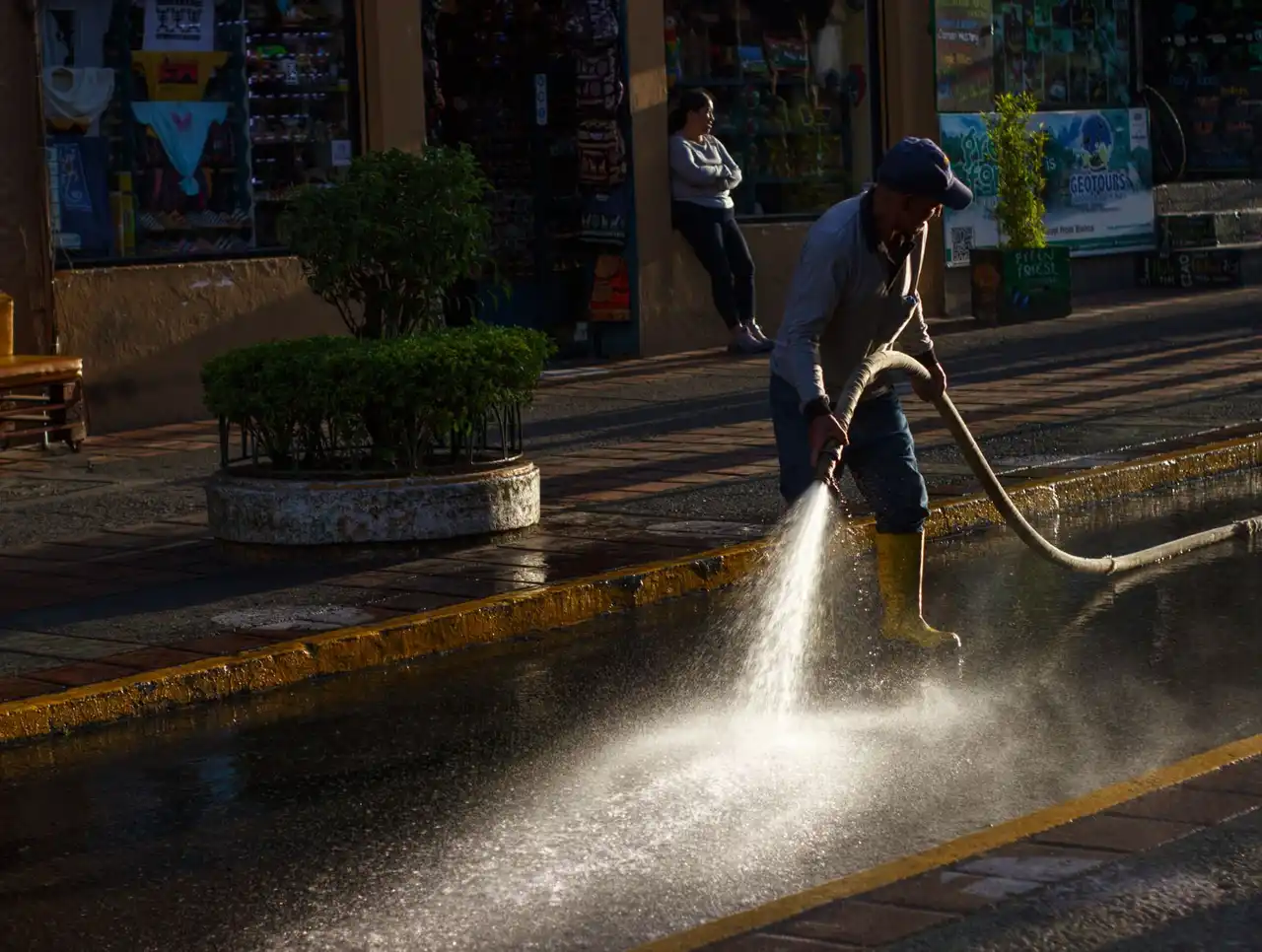
A pipe bursts in a second-floor bathroom and water runs down through the ceiling below.
We extract water from both floors, remove saturated ceiling drywall, and dry the framing. Air movers and dehumidifiers run until readings are dry.
Outcome: The ceiling and wall are rebuilt and painted, and the room is back in use within two weeks.
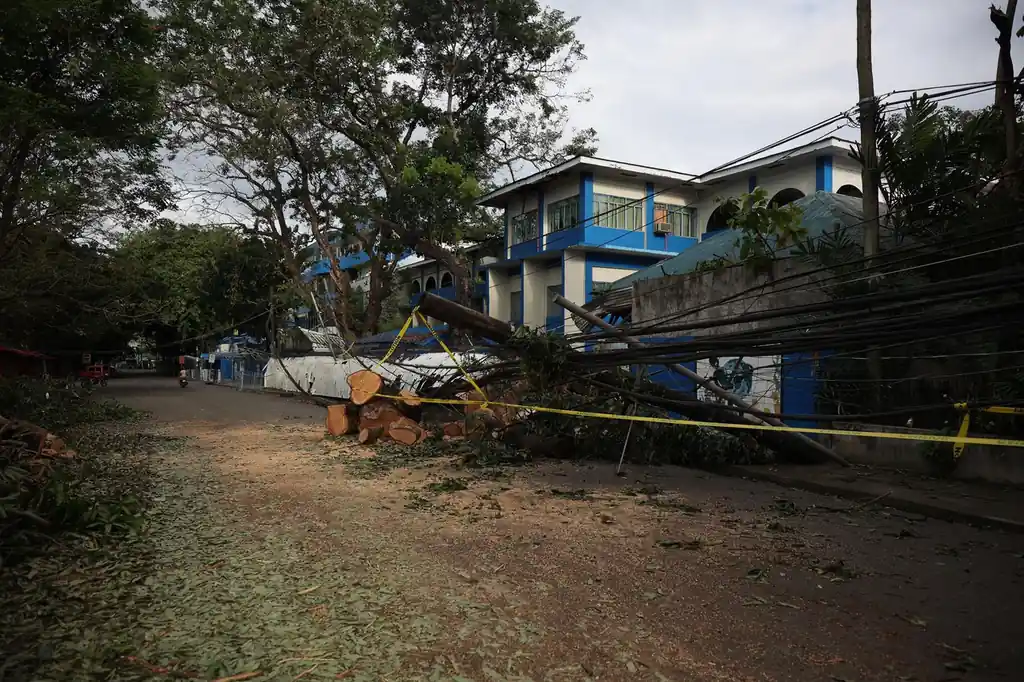
Heavy rain floods a basement in Southbridge, soaking drywall up to the window sills.
We pump out standing water, cut away the damaged drywall, and dry the wall cavity. We also check the sump pump and foundation for entry points.
Outcome: The basement is dry, the walls are rebuilt, and you have a clear plan to prevent the next flood.

A water heater leaks in a utility closet and soaks the drywall behind it.
We remove the water heater if needed, extract water, and dry the wall. Damaged drywall is replaced and the closet is rebuilt.
A toilet overflow on the second floor sends water through the ceiling of a first-floor room.
We extract water from both levels, remove the wet ceiling drywall, and dry the structure. The ceiling is rebuilt and finished.
Outcome: The ceiling looks new and the room is safe to use again within a week.
Wilmington's building stock is a mix of historic rowhouses, brick twins, and newer construction. Older homes often have plaster and lath behind the drywall, which dries more slowly and can hide moisture longer. We adjust drying times and equipment placement for these walls. The city also sees its share of frozen pipe bursts in January and February, and heavy rain flooding in spring and summer. When you need 24 hour drywall water damage restoration Wilmington Delaware, we are set up to respond. ZIP codes 19802, 19806, and 19809 are among our most frequent service areas.
Before: A supply line burst behind a kitchen wall and soaked the drywall from counter height down. Water had been running for about six hours before the homeowner returned.
After: We extracted the water, removed two feet of saturated drywall, and dried the cavity in four days. New drywall was installed, taped, and primed. Moisture readings confirmed the wall was dry before we closed it.
Keep an eye on supply lines under sinks and replace them every five to seven years. A moisture meter check after any leak catches hidden water early.
Before: A toilet overflow on the second floor sent water through the ceiling of a first-floor dining room. The drywall was sagging and stained across a four-by-six-foot area.
After: We removed the damaged ceiling drywall, dried the joists, and installed new board. The ceiling was taped, sanded, and primed. The repair blends seamlessly with the rest of the ceiling.
Check toilet supply lines and wax rings annually. Fix slow leaks immediately to prevent ceiling damage below.
Before: A failed sump pump allowed two inches of water into a finished basement. Drywall was soaked up to 18 inches from the floor, and the carpet was saturated.
After: We pumped out the water, removed the lower drywall, and dried the walls and floor in five days. New drywall was installed and painted. The sump pump was replaced with a backup system.
Test your sump pump every three months by pouring water into the pit. Install a battery backup to keep it running during power outages.
Water finds a way into drywall through dozens of paths. These are the most common problems we see in Wilmington and how we fix them.
A dry wall and a finished repair you can paint.
Mold can begin colonizing wet drywall in 24 to 48 hours. We remove saturated board, dry the cavity to below 16 percent moisture content, and treat framing so spores never get a foothold. That is the difference between a repair and a full remediation.
Not every wet wall needs to come down. With a moisture meter and thermal imaging camera, we map exactly where water traveled and cut only the damaged sections. That saves you money on drywall, paint, and trim compared to a full tear-out.
We set Dri-Eaz and Phoenix Restoration Equipment air movers and dehumidifiers to pull moisture out of the wall cavity, then rebuild with new drywall, tape, and joint compound. Most standard rooms are dry in three to five days and ready for paint.
We document moisture readings, take photos before and after, and provide a clear scope of work you can hand to your adjuster. That paperwork makes drywall water damage repair Wilmington DE claims move faster and with fewer surprises.
What a written scope covers and what shapes it. Prices are set by the business after the first look.
Included
Depends on
Clear records you can keep and share.
Daily readings for your records
Before and after images
Written summary of work
Dry standard confirmation
Not all wet drywall is the same. How long it was wet and what soaked it change the repair.
From supply lines or rain
From appliances or toilets
From sewage or ground
A list like this tells people straight away whether you cover their street. Not listed? Call and ask: it only takes a minute.
Based in Wilmington and covering the places around it. Pick one for local details.
Cost depends on how much drywall is wet, whether mold is present, and how long the water sat. We give you a written scope before work starts.
Not always. If the drywall is still structurally sound and dries within 24 to 48 hours, we can often dry it in place and repaint. But if the paper facing is soft, the board is sagging, or mold has started, that section has to come out. We check with a moisture meter and make the call based on readings, not guesswork.
Extraction and demolition usually take one day. Structural drying runs three to five days with air movers and dehumidifiers. The rebuild, including new drywall, tape, and primer, adds another two to four days. A typical room is fully restored in about one to two weeks. Larger jobs with multiple rooms or a flooded basement take longer.
Most homeowner policies cover sudden and accidental water damage, like a burst pipe or water heater leak. They usually do not cover long-term neglect or groundwater intrusion. We document everything with photos and moisture readings so your adjuster has what they need. Call your insurer first, then call us at (302) 775-0748 and we will walk you through the paperwork.
Other services from the same team.
Water-soaked drywall gets worse by the hour. Call Wilmington AquaRestore at (302) 775-0748 for fast extraction, drying, and repair. We serve all of Wilmington and New Castle County.
Call (302) 775-0748 any time, day or night. If you prefer email, send photos and details to info@wilmingtonaquarestore.com and we will follow up with next steps.