For Homes
We handle appliance leaks in houses, condos, and apartments. We protect your floors and belongings while we dry.
- Washing machine leaks
- Dishwasher leaks
- Refrigerator line leaks
Appliance Leak Water Damage Restoration in Wilmington starts with stopping the source and pulling standing water before it reaches your subfloor. Our team handles washing machine, dishwasher, refrigerator, and water heater leaks across New Castle County. We extract, dry, and verify moisture readings so your kitchen or laundry room is dry and safe. Call (302) 775-0748.
 Check moistureExtract waterDry structure
Every job starts with a full inspection and a clear scope. We tell you what we will do, how long it takes, and what it costs before we start. Here is what is typically included in a standard appliance leak restoration.
We remove standing water from floors, carpets, and subfloor using a water extraction unit and wet/dry vacuum. This happens the same visit, usually within 1 to 3 hours.
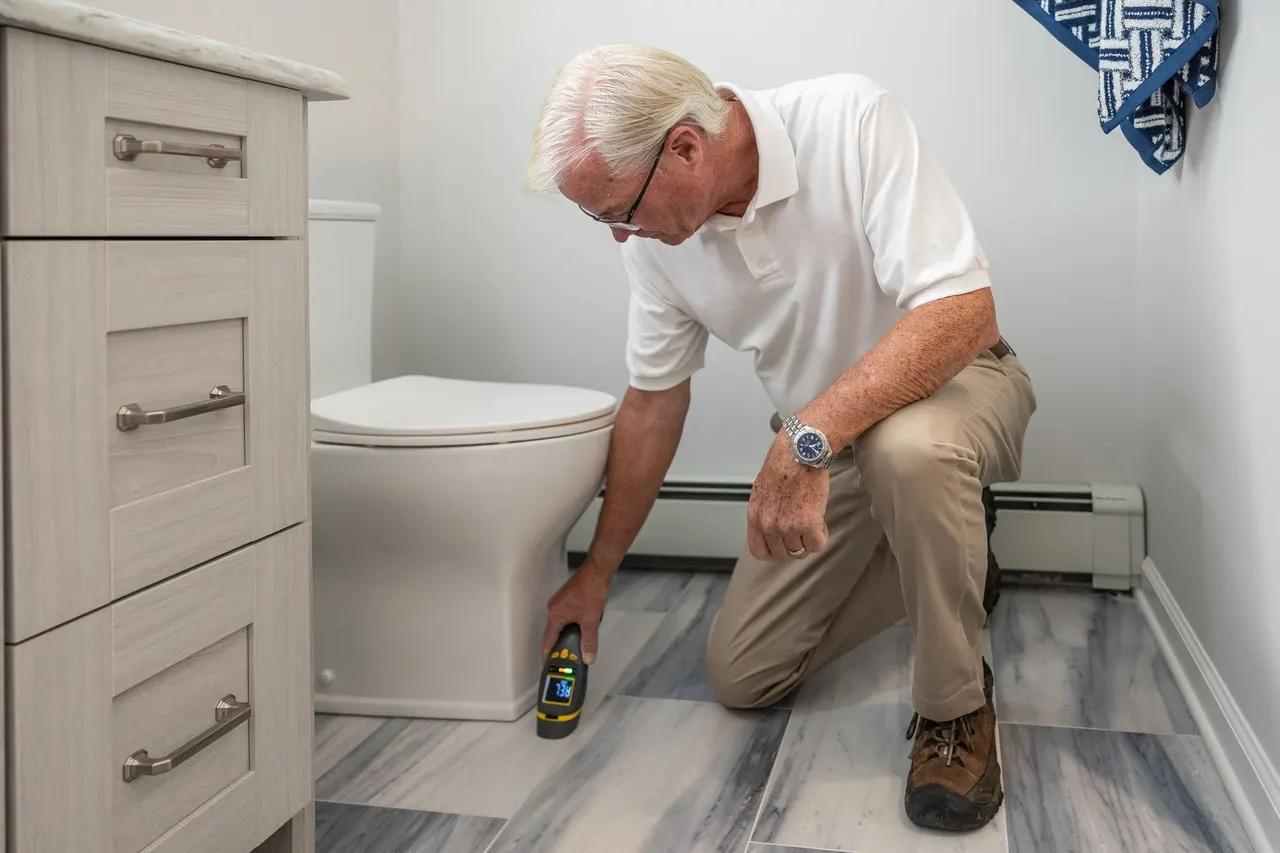
We use a moisture meter, thermal imaging camera, and hygrometer to find hidden moisture in walls, ceilings, and floors. This ensures we dry the entire affected area, not just the visible surface.
We place air movers and dehumidifiers to dry the structure. Drying typically runs 3 to 5 days. We monitor daily and adjust equipment as needed.
We can recommend trusted local pros.
We photograph affected areas, log moisture readings, and provide a written scope for your claim. This helps your adjuster process the claim faster.
We take final readings to confirm the area is dry before removing equipment. You get a summary of the work and any recommendations for repairs.
The approach is the same for a home and a business. What changes is the access, the schedule and who needs the paperwork.
We handle appliance leaks in houses, condos, and apartments. We protect your floors and belongings while we dry.
We respond to appliance leaks in break rooms, laundry facilities, and commercial kitchens. We work around your hours.
A plain-language look at what Appliance Leak Water Damage Restoration involves and when it is needed.
See how it worksAppliance Leak Water Damage Restoration in Wilmington is the process of stopping an appliance water leak, extracting standing water, and drying the structure before mold or rot sets in. A failed supply line on a washing machine can release 5 to 10 gallons per minute. That water wicks into plywood subfloor, tile grout, and drywall within hours. We use moisture meters and thermal imaging cameras to map the wet zone, then run air movers and dehumidifiers until readings match dry standards.
Wilmington homes deal with appliance leaks year-round. Older rowhouses in Trolley Square and the East Side often have original copper pipe and aging shutoff valves that fail without warning. Winter freezes can crack a line behind the washer. We handle appliance leak repair and cleanup Wilmington DE calls daily, from single-family homes to basement laundry setups. If you search appliance leak water damage restoration near me Wilmington, we are local and ready to respond.
Stop the water, extract it, dry the structure, and verify before you rebuild.
Every job follows the same proven sequence. You will know what is happening at each stage, how long it takes, and what we need from you.
You call (302) 775-0748 and describe the leak. We ask about the appliance type, water volume, and whether the shutoff valve is closed. We schedule a same-day visit and tell you how to limit damage before we arrive.
We locate the source, confirm the water is off, and inspect the surrounding area. A boroscope camera checks inside walls if needed. We mark the wet zone with a moisture meter and explain what we found before any equipment goes down.
Using a water extraction unit and wet/dry vacuum, we remove standing water from floors, carpets, and subfloor. This step usually takes 1 to 3 hours depending on volume. We check for water under appliances and in adjacent rooms.
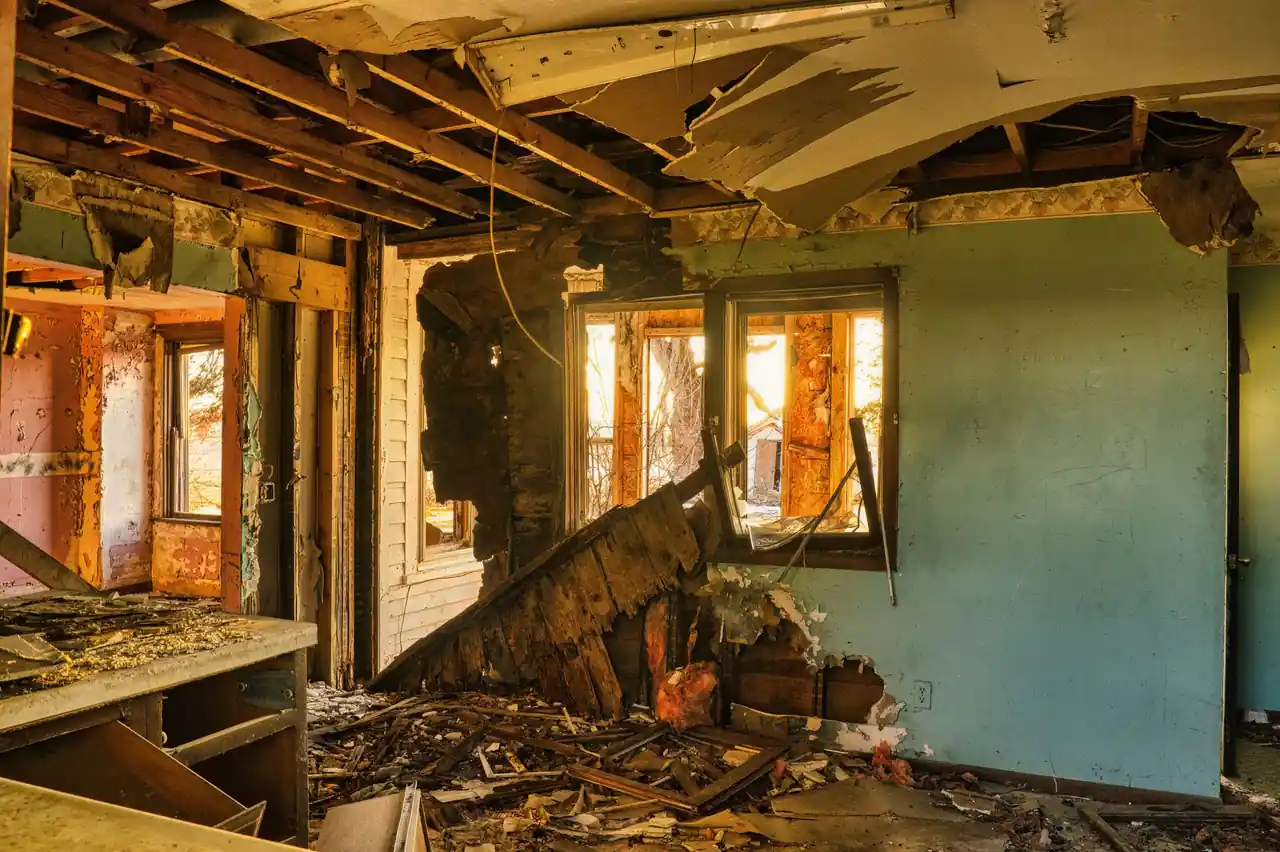
We position air movers and dehumidifiers to dry the structure. Drying typically runs 3 to 5 days. We monitor with a hygrometer and infrared thermometer daily, adjusting equipment until moisture levels return to normal.
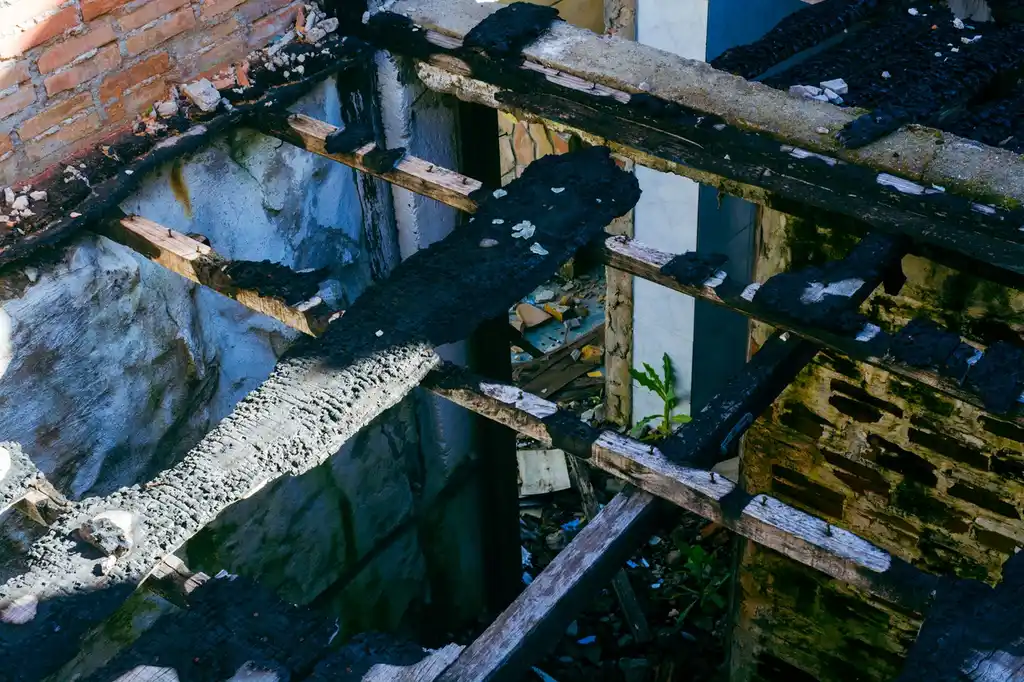
We take final moisture readings, confirm the area is dry, and remove equipment. You get a summary of the work and any recommendations for repairs, like replacing damaged drywall or caulk around the appliance.
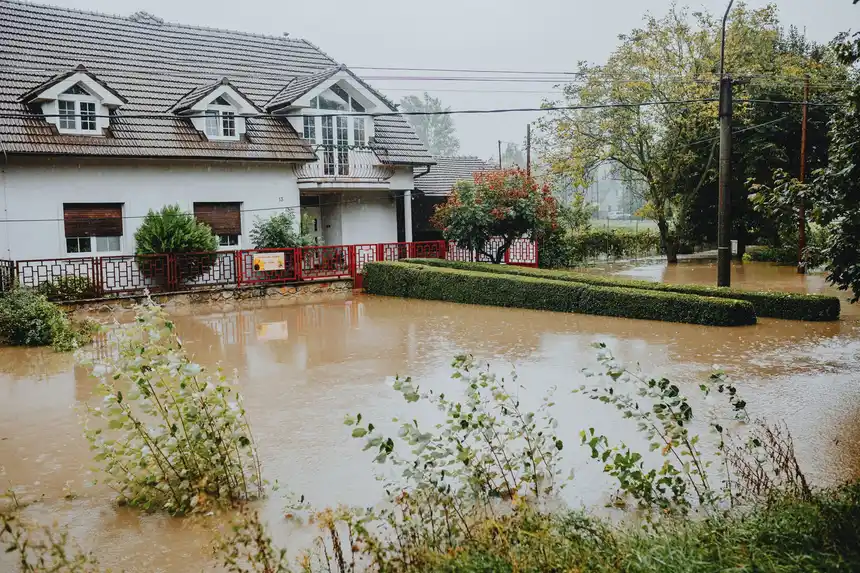
Move across a circle, or focus it and press Enter, for an illustrative thermal view of the photograph.
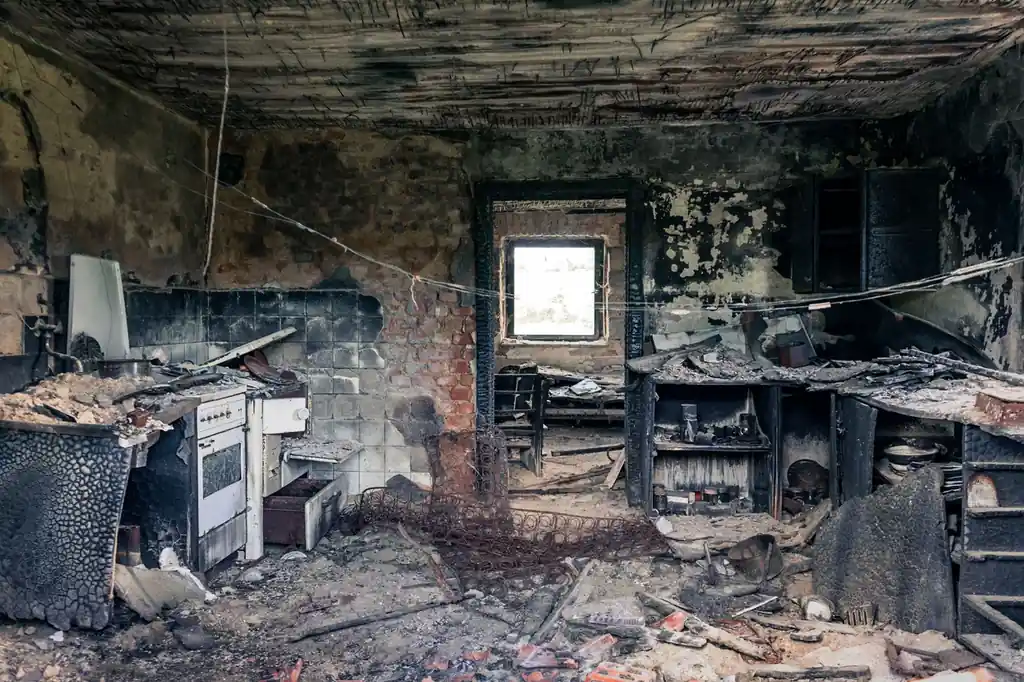
Used to measure moisture content in drywall, wood, and flooring. It helps us find hidden saturation and track drying progress.
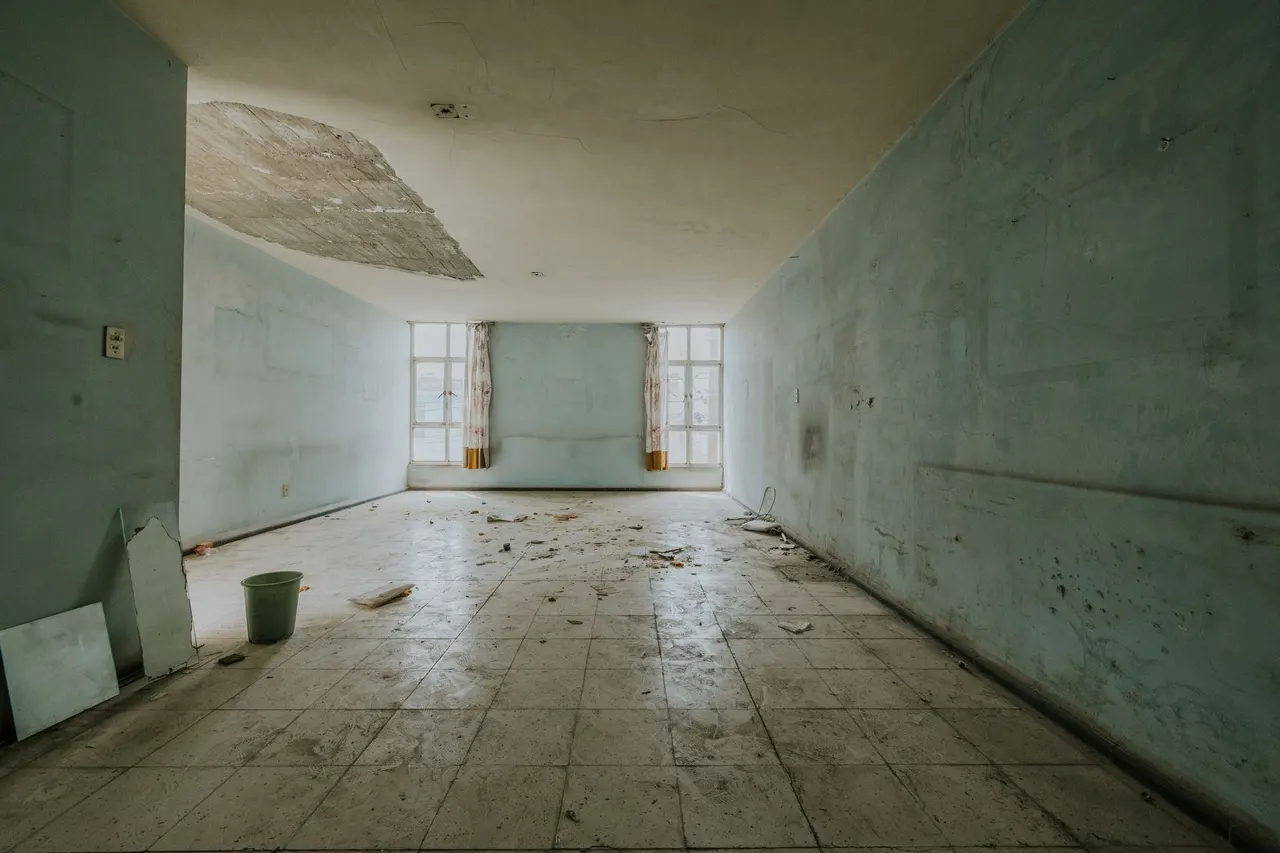
Detects temperature differences to reveal moisture behind walls and under floors without tearing into materials.
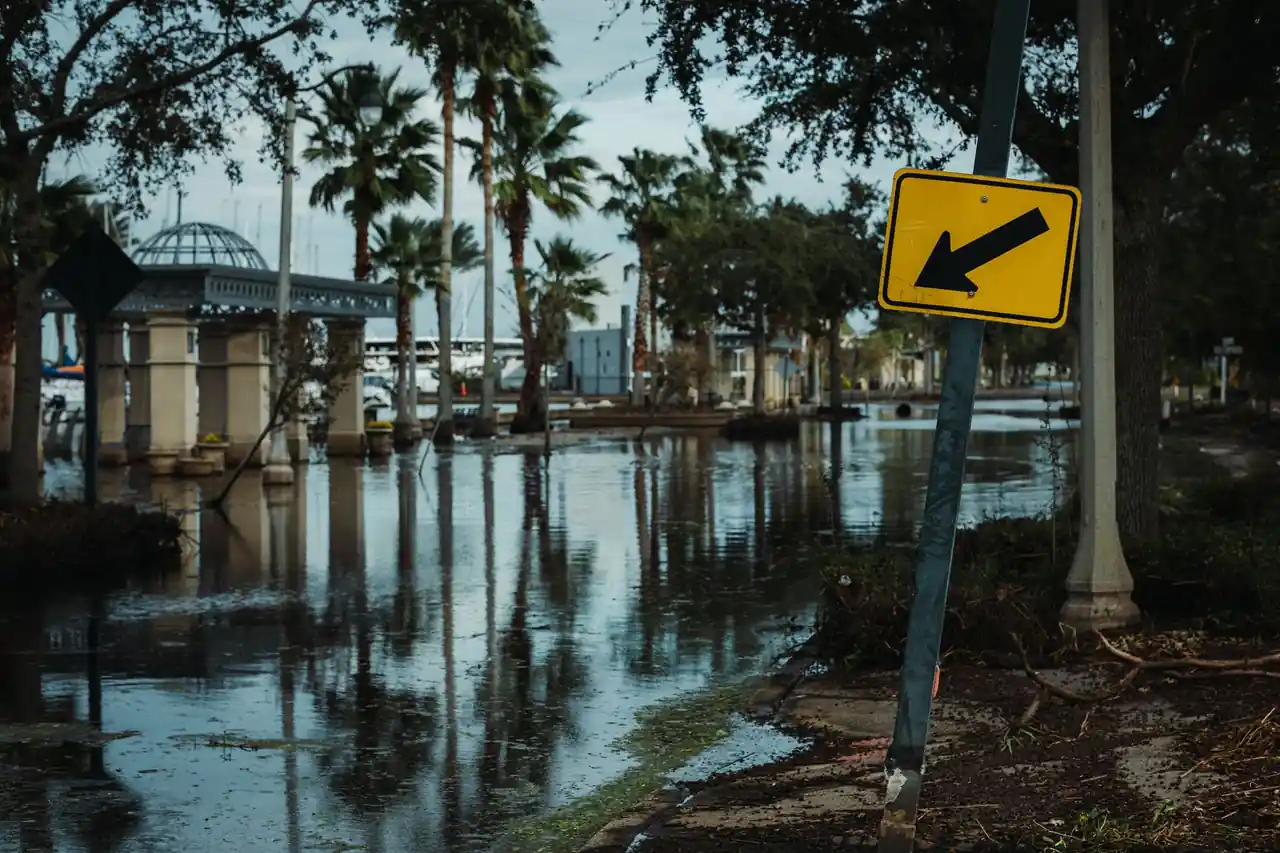
High-velocity fans that circulate air across wet surfaces to speed evaporation. We position them based on moisture readings.
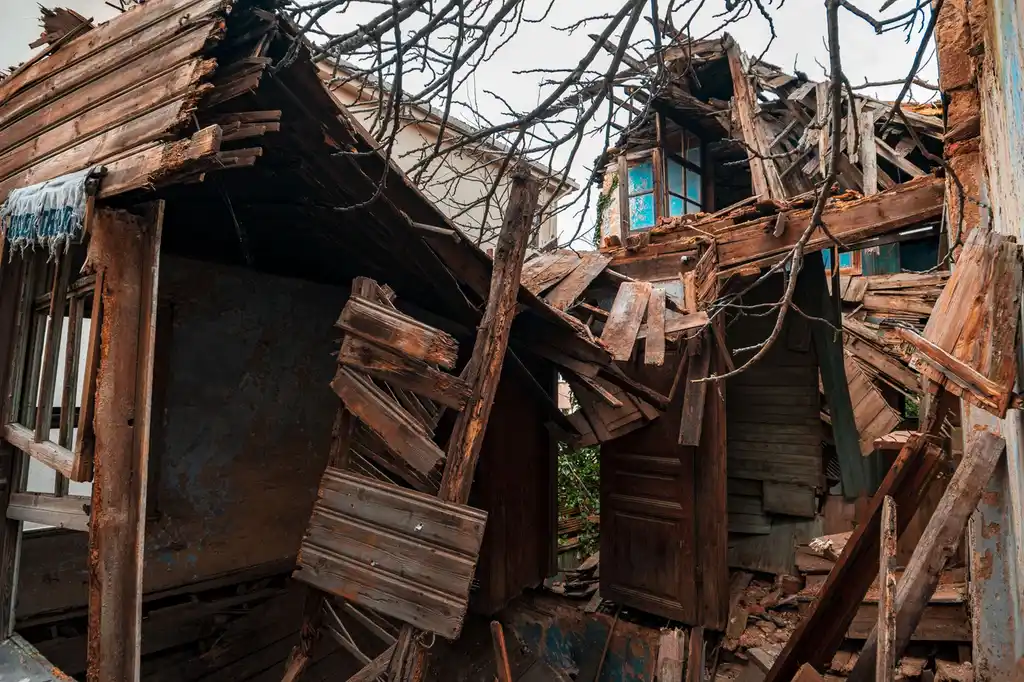
Removes moisture from the air to prevent secondary damage. We use Dri-Eaz and Phoenix Restoration Equipment models for reliable drying.

Pulls standing water from carpets and hard floors. We also use wet/dry vacuums from Shop-Vac and RIDGID for smaller areas.
Thermal views are illustrative, generated from the photographs.
A flexible camera that lets us see inside walls and under cabinets to check for hidden leaks and mold.
Measures relative humidity in the air. We use it to confirm drying conditions and adjust equipment.
We follow the IICRC S500 standard for water damage restoration. This includes proper extraction, drying, and documentation procedures to ensure a professional result.
We map the wet zone using moisture meters and thermal imaging. This ensures we dry the entire affected area, not just what is visible.
We check moisture levels daily and adjust equipment as needed. This prevents over-drying or under-drying and keeps the project on schedule.
If mold is present, we set up containment and use air filtration to prevent spores from spreading during remediation.
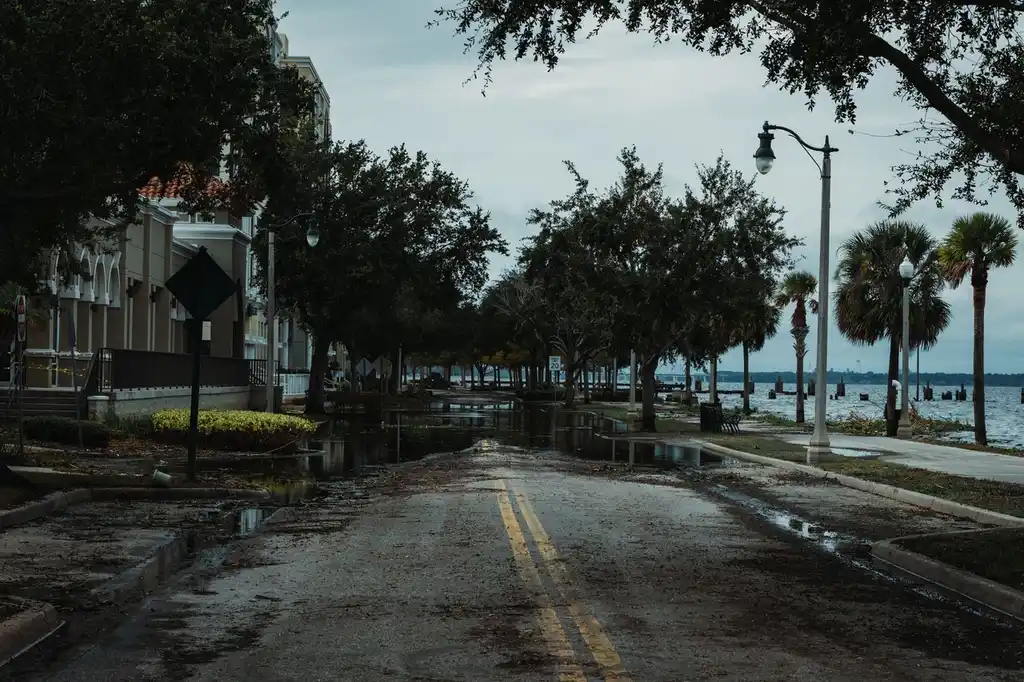
A washing machine hose bursts in a second-floor laundry room in the Highlands, sending water through the ceiling below.
We extract water from both floors, dry the ceiling and flooring, and use thermal imaging to check for hidden moisture in the ceiling cavity.
Outcome: The ceiling and floors are dried without replacement, and we provide documentation for your insurance claim.
A dishwasher leak in a Downtown Wilmington condo goes unnoticed for days, causing mold to grow under the cabinets.
We extract water, remove affected cabinet base, dry the area, and remediate mold with proper containment and air filtration.
Outcome: The condo is dry and mold-free, and we coordinate with the HOA for any shared-wall drying.
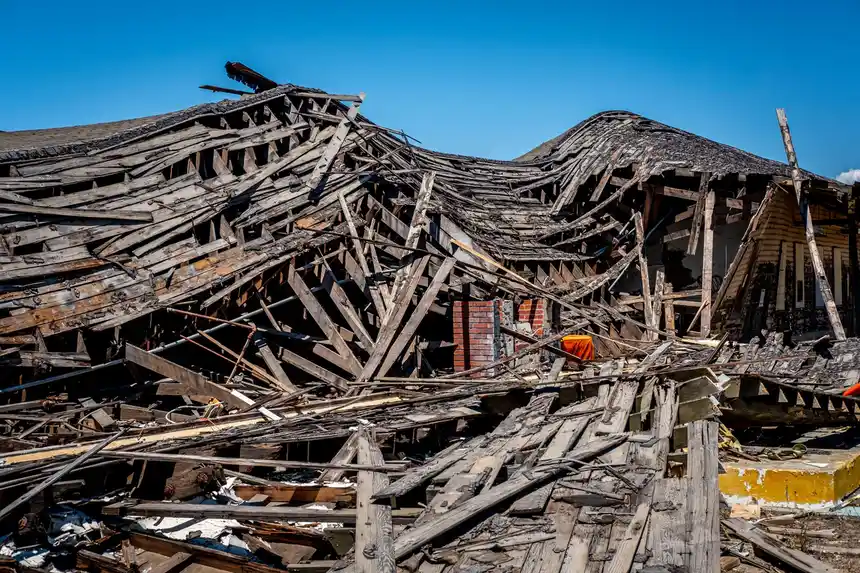
A refrigerator water line leaks in a Trolley Square rowhouse, warping the hardwood floor in the kitchen.
We extract water, set up drying equipment, and use a moisture meter to monitor the hardwood. We dry the floor slowly to minimize cupping.
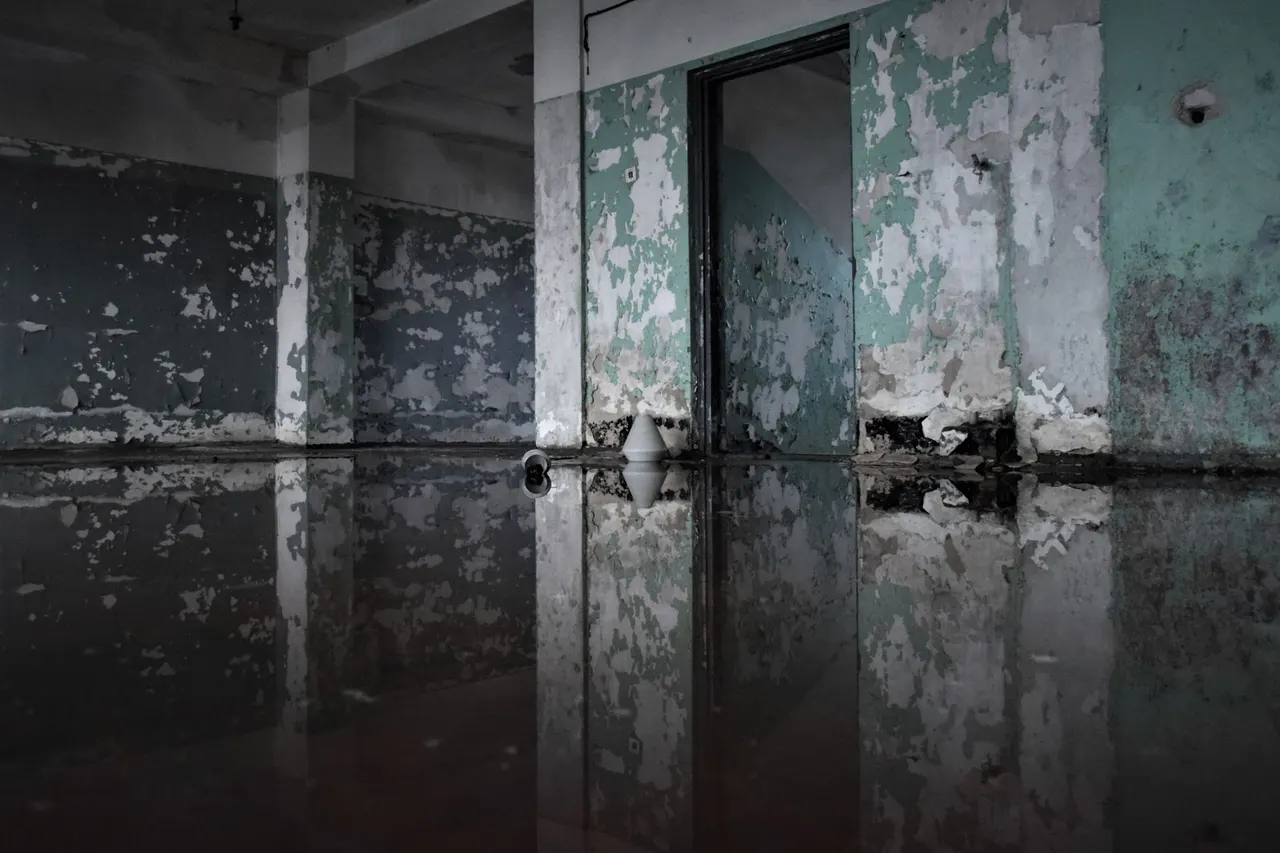
A water heater fails in a Bellefonte basement, flooding the finished area and damaging drywall.
We extract water, cut and remove wet drywall, dry the framing, and coordinate with a plumber for tank replacement.
Outcome: The basement is dried and ready for drywall repair, and the new water heater is installed.
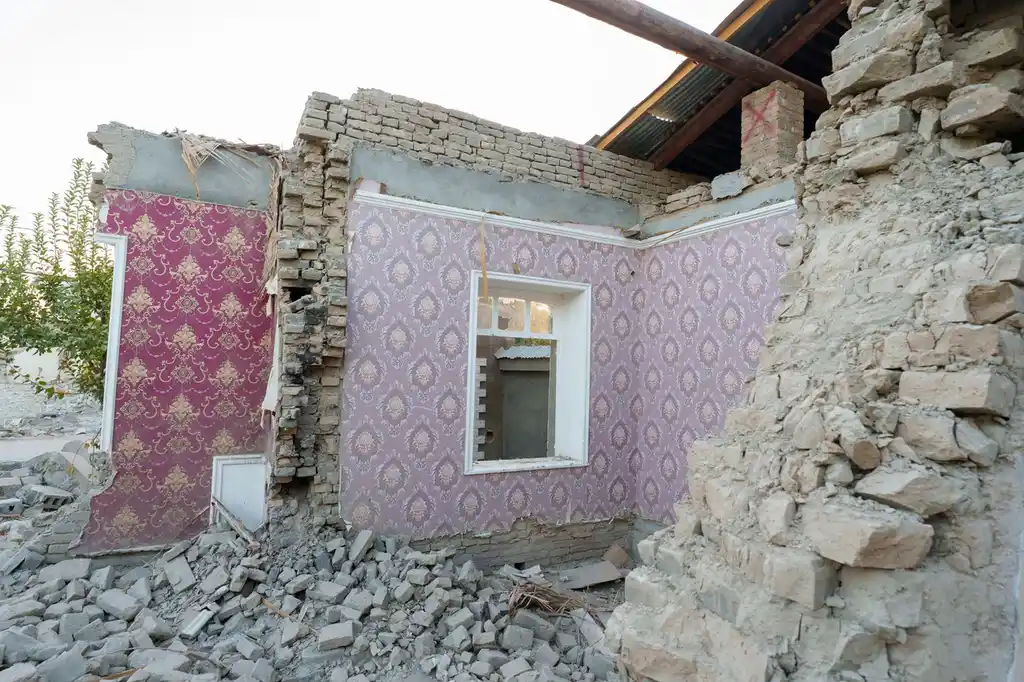
Wilmington's housing stock ranges from historic rowhouses in Trinity Vicinity to newer construction in the Riverfront. That variety means appliance leaks play out differently block to block. In older homes, original copper pipe and aging shutoff valves are common failure points. In newer builds, PEX piping and plastic supply lines can fail at fittings.
Winter freezes are a real threat from December through February, cracking lines behind washing machines and refrigerators. We also see basement laundry setups in neighborhoods like Southbridge and Browntown, where a leak can flood a finished basement fast. We bring the right tools for each situation, from thermal imaging cameras to water extraction units.
If you need appliance leak cleanup Wilmington Delaware, we are local and ready.
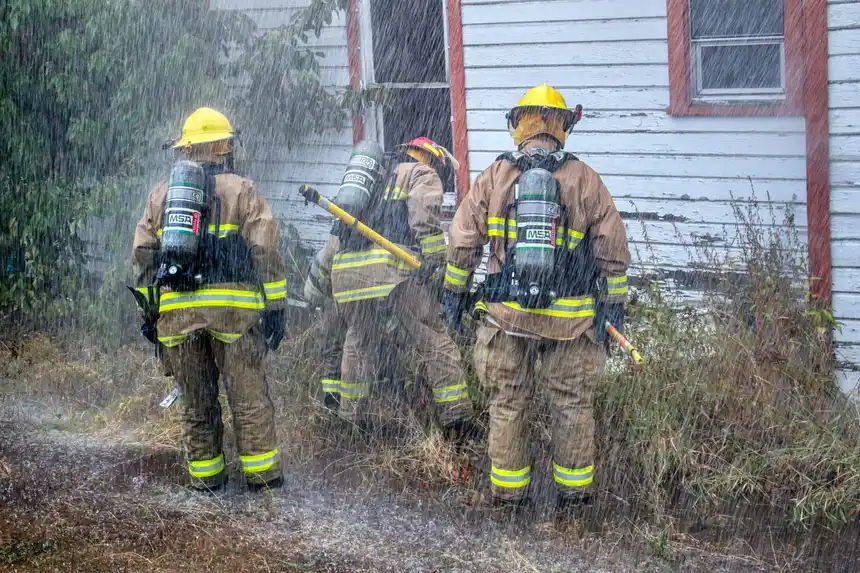
Before: A supply line burst on the second floor, sending water through the ceiling into the kitchen below. The laundry room floor was soaked, and the ceiling showed water stains.
After: We extracted 15 gallons, dried the laundry room and kitchen ceiling in four days, and saved the hardwood floor. The ceiling was repaired and repainted.
Replace rubber supply lines with braided stainless steel every 5 years. Check the shutoff valve for corrosion annually.
Before: A slow leak under the dishwasher went unnoticed for a week. The cabinet base swelled, and mold was visible on the subfloor. The condo owner was worried about the unit below.
After: We removed the affected cabinet base, dried the subfloor, and remediated mold in three days. The unit below was checked and found dry.
Inspect the dishwasher door gasket and drain hose every 6 months. Run the dishwasher only when you are home.
Before: A 50-gallon water heater tank rusted through and released water into the finished basement. Carpet and drywall were soaked, and the homeowner needed a new tank.
After: We extracted 40 gallons, removed wet drywall, dried the framing in five days, and coordinated with a plumber for tank replacement. The basement was restored.
Flush the water heater annually to remove sediment. Replace the anode rod every 3 to 5 years to extend tank life.
Appliance leaks cause more damage than most homeowners expect. We solve the water problem first, then help you address the source.
A dry home and a clear record for your claim.
Standing water damages flooring in under 24 hours. Our water extraction unit pulls hundreds of gallons quickly, and we set air movers the same visit. Most Wilmington jobs see visible water gone within 1 to 2 hours of arrival.
We use a moisture meter, thermal imaging camera, and hygrometer to find hidden saturation behind baseboards and under cabinets. This prevents mold growth in wall cavities that a visual check would miss entirely.
We photograph affected materials, log moisture readings, and provide a clear scope for your claim. Most homeowner policies cover sudden appliance leak water damage, and our records help adjusters process it faster.
We know the housing stock in New Castle County, from Brandywine Village rowhouses to suburban homes in Bellefonte. That means we bring the right drying equipment and access tools for your specific layout.
What a written scope covers and what shapes it. Prices are set by the business after the first look.
Included
Depends on
Clear records you can keep and share.
Daily readings recorded.
Before and after photos.
Work performed and materials.
Final notes and recommendations.
Appliance leaks are usually clean water, but time and contact change the category.
From a supply line or fresh water source.
From a dishwasher or washing machine discharge.
From sewage or contaminated sources.
A list like this tells people straight away whether you cover their street. Not listed? Call and ask: it only takes a minute.
Based in Wilmington and covering the places around it. Pick one for local details.
A small washing machine leak contained to a laundry room may be on the lower end. Water that reaches adjacent rooms or a basement pushes the cost higher. We provide a written scope before work begins.
Shut off the hot and cold supply valves behind the machine, then unplug it. If the valve will not close, shut off the main water line. Call us at (302) 775-0748. We will walk you through containing the water with towels or a wet/dry vacuum until we arrive.
Extraction takes 1 to 3 hours. Structural drying typically runs 3 to 5 days, depending on materials and humidity. We monitor daily and do not remove equipment until moisture readings are dry. You will know the expected timeline after our first inspection.
Most homeowner policies cover sudden and accidental appliance leaks, like a burst supply line. Gradual leaks from a slow drip may not be covered. We document the damage thoroughly and provide a scope that helps your adjuster process the claim. Check your policy for specifics.
Other services from the same team.
One call gets extraction, drying, and documentation started. Call (302) 775-0748 now.
Call (302) 775-0748 any time, day or night. If you prefer email, send photos and details to info@wilmingtonaquarestore.com and we will follow up with next steps.