For Homes
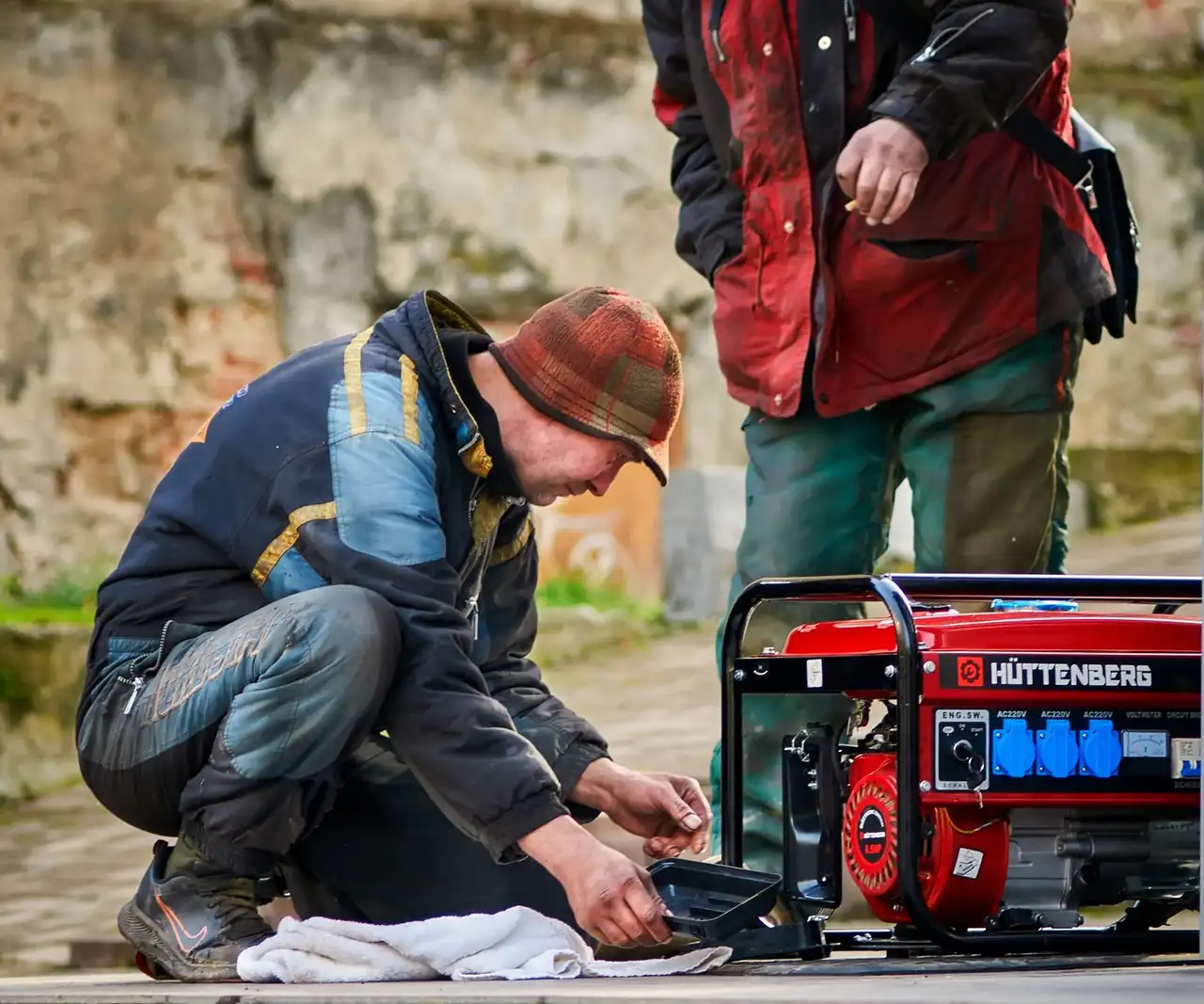
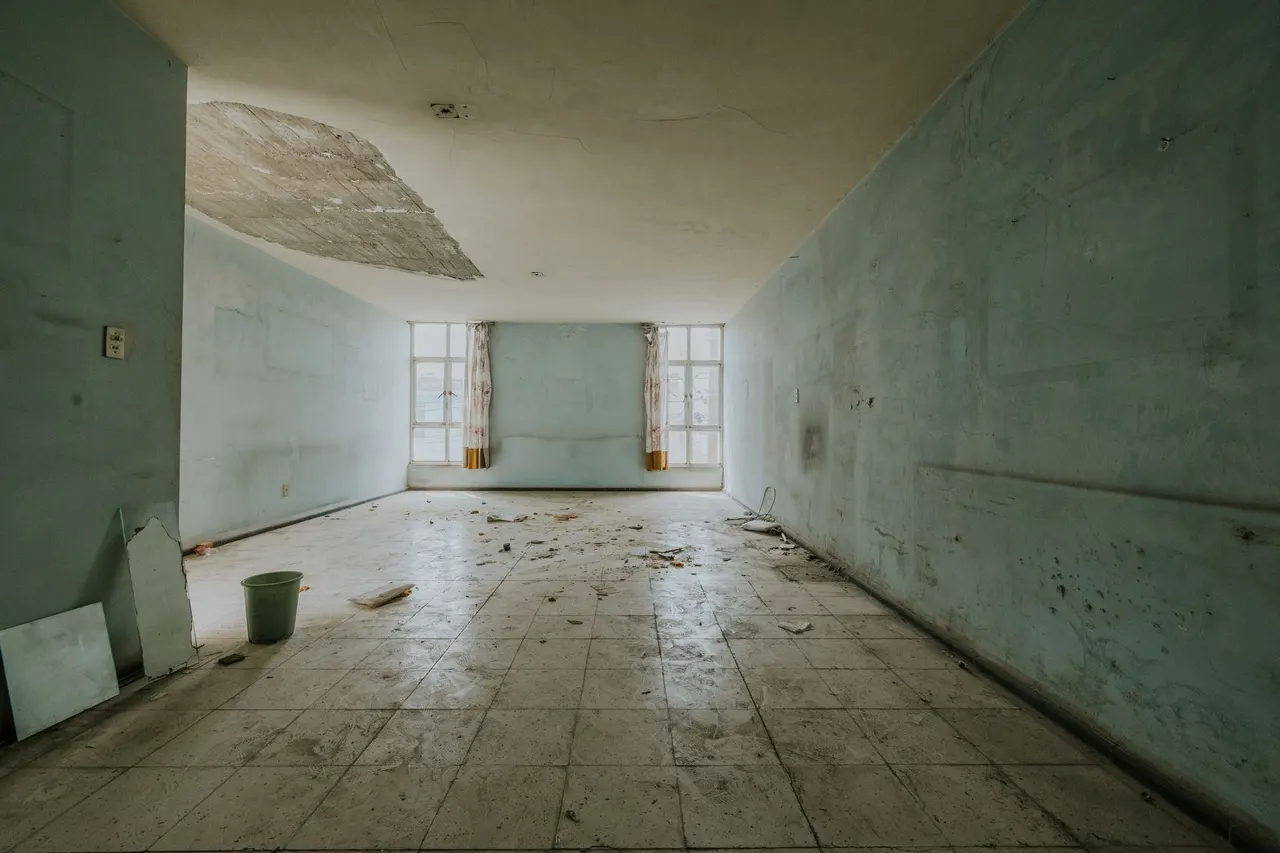
We help homeowners and tenants deal with water in basements, crawl spaces, and living areas. We find the source, dry the space, and explain what to watch for.
- Basement seepage after rain
- Sump pump failure
- Musty smell or damp walls
Groundwater Intrusion Cleanup Wilmington DE starts with finding exactly where water is getting in. Whether your basement floods after every heavy rain or you have noticed a damp, musty smell along the foundation wall, our team responds fast. We serve homeowners and property managers across New Castle County with proven groundwater flooding cleanup in Wilmington DE that addresses the source, not just the puddle.
 Moisture mappingThermal scanSump check
Every job is different, but here is what is typically covered when we handle groundwater intrusion cleanup in Wilmington. If something falls outside this scope, we tell you upfront before we start.
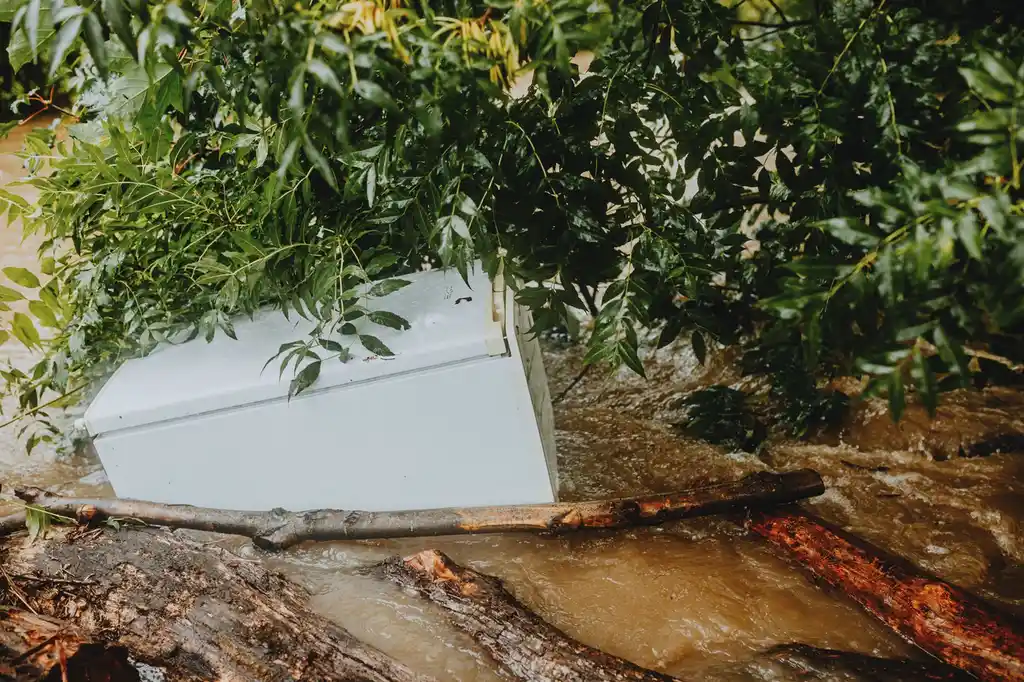
We use moisture meters, thermal imaging cameras, and a boroscope camera to find where water is entering and how far it has spread. This includes checking foundation walls, floor joints, sump pits, and crawl spaces.
Standing water is removed with a water extraction unit and wet/dry vacuum. For larger volumes, we use a truck-mounted unit. We work around your belongings and protect flooring where possible.
We position air movers and dehumidifiers based on the moisture map. We monitor readings daily and adjust equipment as needed until materials reach dry standard.
We seal cracks with hydraulic cement and caulk, apply waterproof membrane to foundation walls, and check sump pump liners. The goal is to stop water from getting in, not just clean up after it.
You get photos, moisture readings, and a written summary of the work performed. This is useful for insurance claims and for your own records.
The approach is the same for a home and a business. What changes is the access, the schedule and who needs the paperwork.
We help homeowners and tenants deal with water in basements, crawl spaces, and living areas. We find the source, dry the space, and explain what to watch for.
We work with owners and property managers to minimize downtime after groundwater intrusion. We extract, dry, and document so you can get back to business.
A plain-language look at what Groundwater Intrusion Cleanup involves and when it is needed.
See how it worksGroundwater Intrusion Cleanup Wilmington DE is the process of locating, stopping, and reversing water damage caused by subsurface water pushing through foundation walls, floors, and sump systems. It is not just pumping water out. We use moisture meters and thermal imaging cameras to map exactly where the water is traveling, then extract standing water, dry structural materials, and seal entry points. If your sump pump failed during a storm or you have water seeping through a block foundation wall, this is the service that fixes it.
Wilmington homeowners deal with groundwater intrusion for specific reasons. The city's older rowhouses and brick foundations were not built with modern waterproofing. Heavy rain events overwhelm storm drains, and the water table rises fast in low-lying neighborhoods like Southbridge and Browntown. We see groundwater seepage cleanup Wilmington Delaware calls spike every spring and after major storms. If you are searching for groundwater intrusion cleanup near me Wilmington, we are local and we know these buildings.
Groundwater intrusion cleanup finds where water enters and stops it, not just dries the floor.
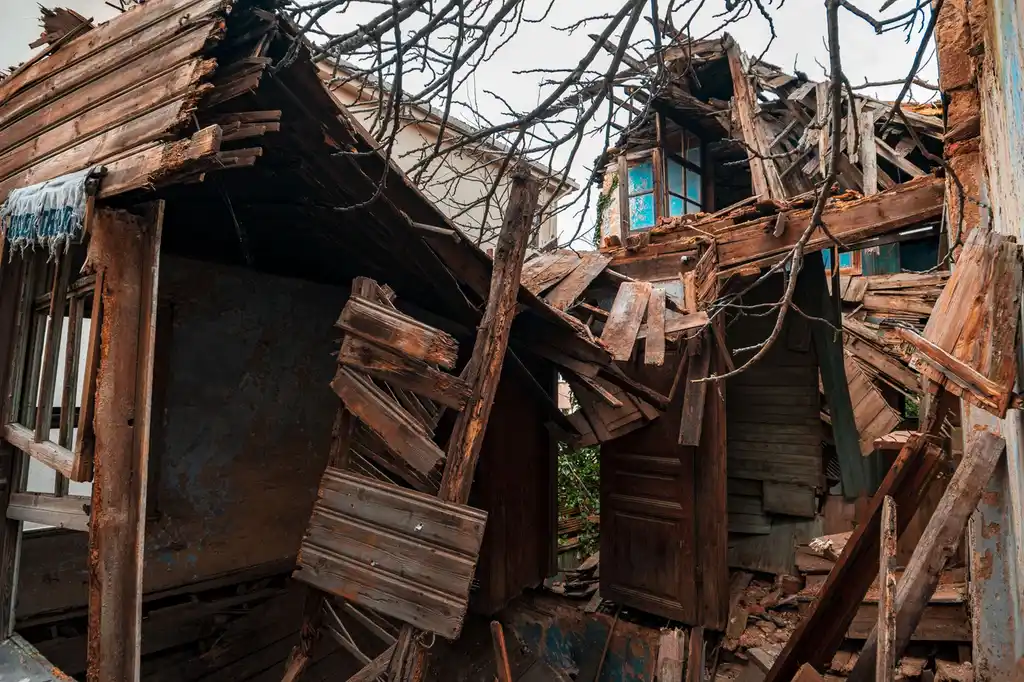
Every job follows the same disciplined sequence. You will know what is happening at each step and why.
We start with a full walk-through using a moisture meter, thermal imaging camera, and boroscope camera. We check foundation walls, floor joints, sump pits, and crawl spaces. You get a clear explanation of where the water is coming from and how far it has spread. This usually takes 30 to 45 minutes.

If there is standing water, we remove it with a water extraction unit and wet/dry vacuum. For deeper flooding, we bring in a truck-mounted unit. We work carefully around your belongings and protect flooring where possible. Most residential basements are cleared of standing water within two to four hours.
We set up air movers and dehumidifiers to pull moisture out of drywall, wood, and concrete. We place them based on the moisture map, not just wherever there is floor space. You will hear the equipment running, and we check readings daily to track progress. Typical drying takes three to five days.
Once the space is dry, we address the source. That may mean applying a waterproof membrane to foundation walls, repairing a sump pump liner, or sealing cracks with hydraulic cement and caulk. We also check PEX piping and copper pipe in the area for any corrosion caused by prolonged moisture exposure.
We take final moisture readings and compare them to dry standard for your material types. We walk you through the space, show you the readings, and explain what we did. You get a written summary. If we recommend a follow-up, we tell you exactly what to watch for and when to call.
Move across a circle, or focus it and press Enter, for an illustrative thermal view of the photograph.
Pin-type and pinless meters measure moisture content in drywall, wood, and concrete. We use them to map the extent of intrusion and confirm when materials are dry.
Infrared camera reveals temperature differences caused by evaporative cooling. It helps us find hidden moisture behind walls and under floors without tearing anything out.
A flexible camera lets us inspect inside wall cavities, under floors, and inside sump pits without destructive access. We use it to confirm the source of intrusion.
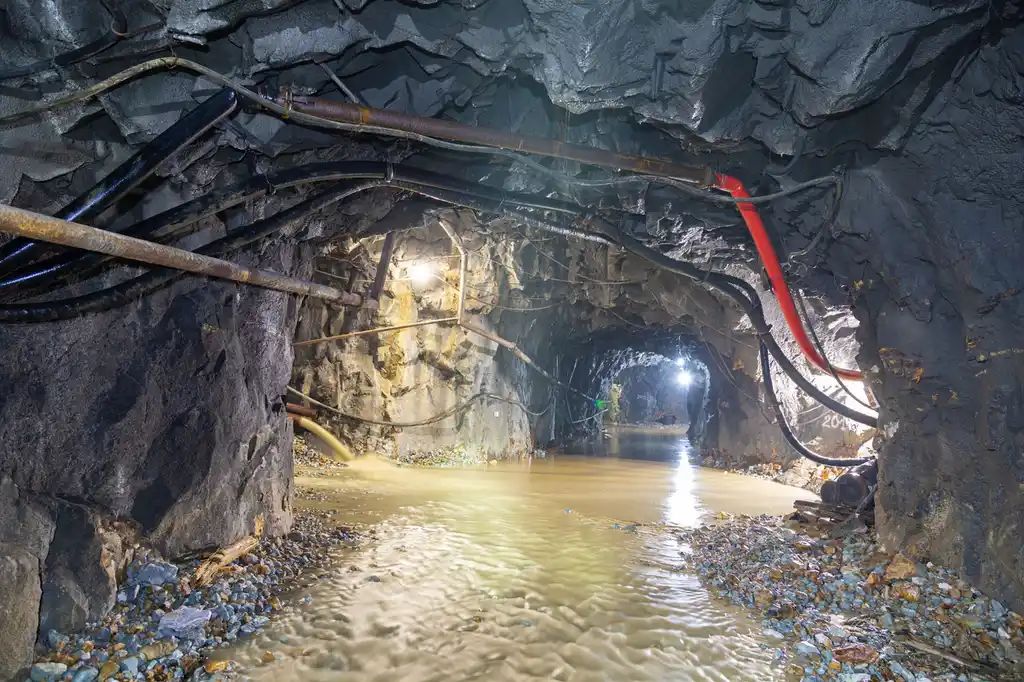
Truck-mounted and portable units remove standing water quickly. We use them for everything from a small seep to a flooded basement.
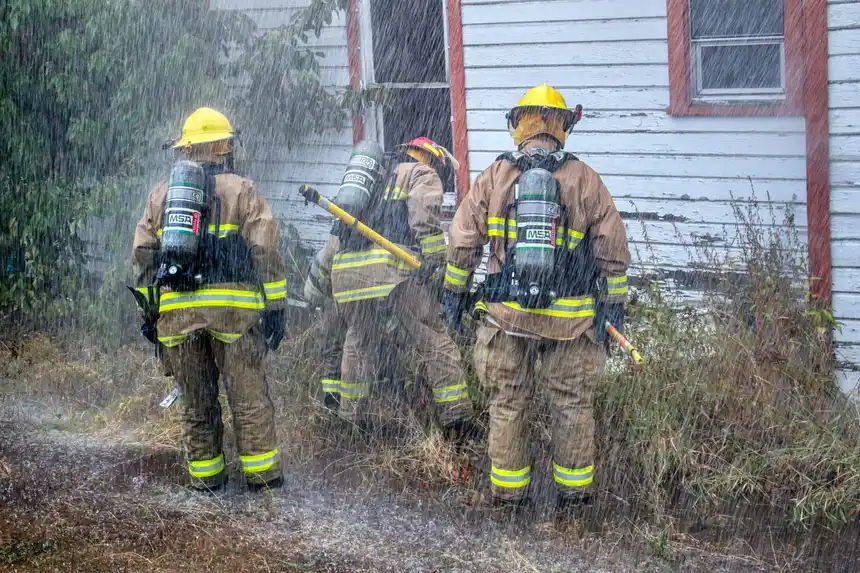
High-velocity air movers evaporate moisture from surfaces, and dehumidifiers pull it out of the air. We position them based on the moisture map.
Thermal views are illustrative, generated from the photographs.
Measures relative humidity in the air. We use it to track drying progress and confirm the space is stable before we remove equipment.
We inspect and test existing sump pumps, and we can install a new liner or pump if yours has failed or is undersized for the water volume.
We follow the IICRC S500 standard for water damage restoration. It defines how to classify water, inspect for moisture, and dry structural materials. Following it ensures we do not miss hidden moisture or stop drying too early.
We create a map of moisture readings across the affected area. This tells us where to place equipment and gives us a baseline to measure drying progress against. We update the map daily.
We scan walls, floors, and ceilings with an infrared camera to find temperature anomalies that indicate hidden moisture. This is especially useful in finished basements where we cannot see behind drywall.
We use hydraulic cement for cracks, caulk for cove joints, and waterproof membrane for walls. The method depends on the foundation type and the source of intrusion. We explain what we are doing and why.
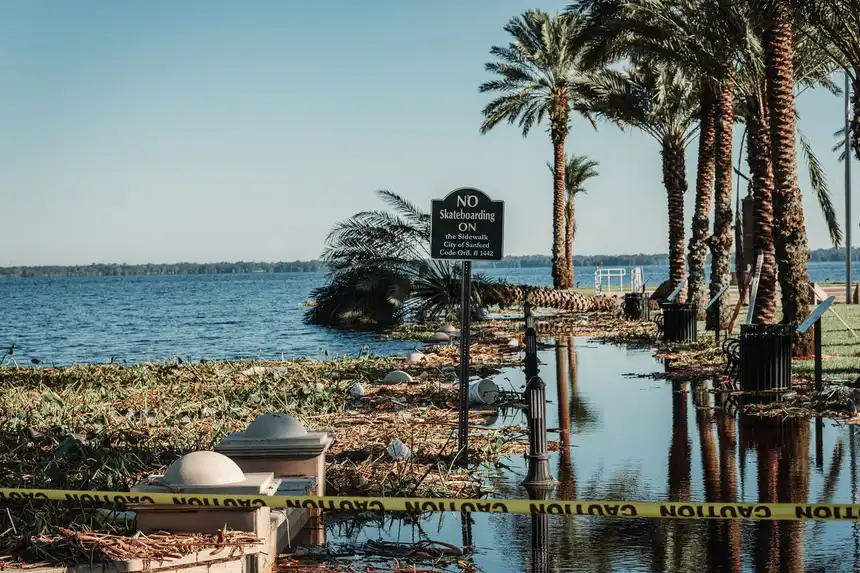
Heavy rain flooded your basement in Southbridge and the water is not draining.
We arrive with extraction equipment, remove the standing water, and set up drying equipment. We check your sump pump and footer drain to find out why water came in and how to stop it next time.
Outcome: Your basement is dry within three to five days, and you know exactly what to fix to prevent it from happening again.
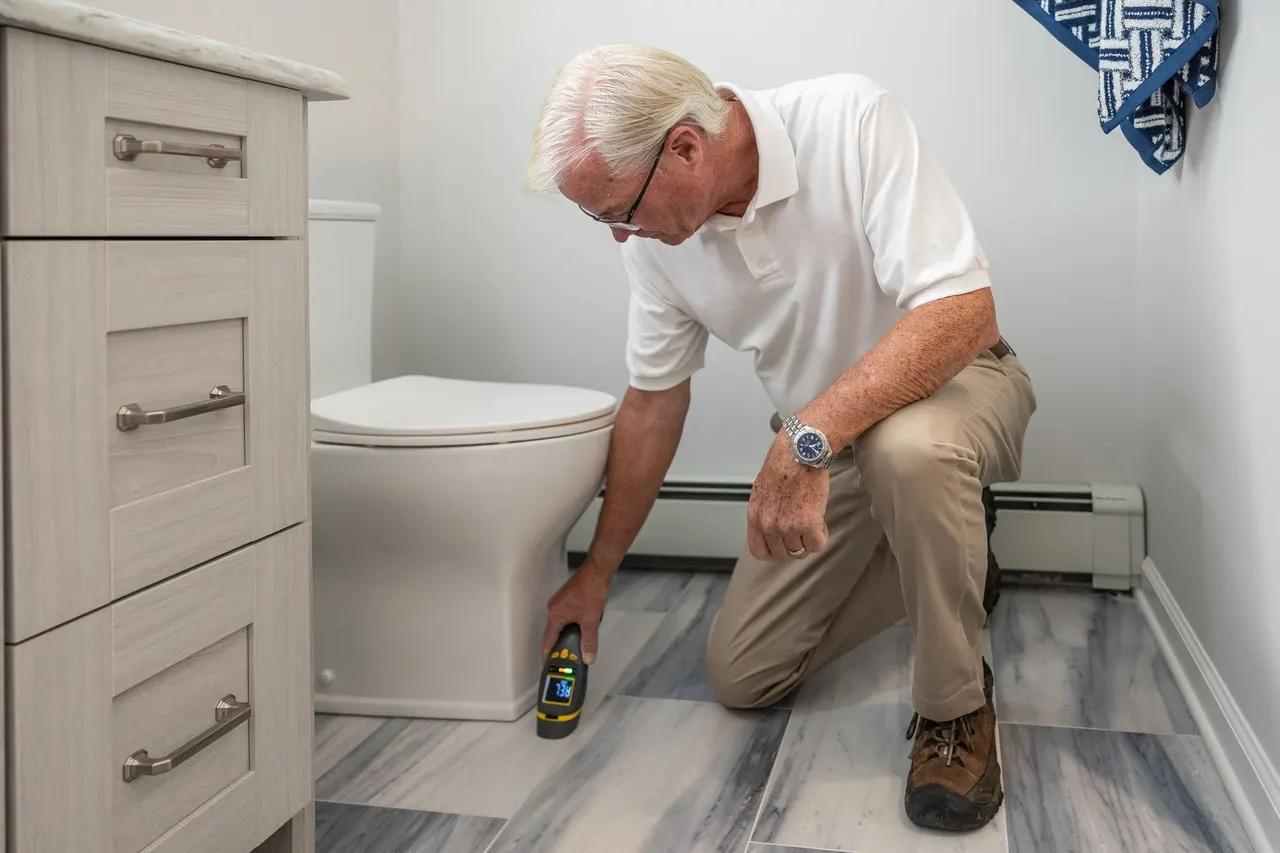
You noticed a damp spot on your finished basement wall in The Highlands and it smells musty.
We inspect with a moisture meter and thermal camera to find the source. We dry the wall, treat for mold if present, and seal the entry point with waterproof membrane.
Outcome: The musty smell is gone, the wall is dry, and the seal prevents future seepage.
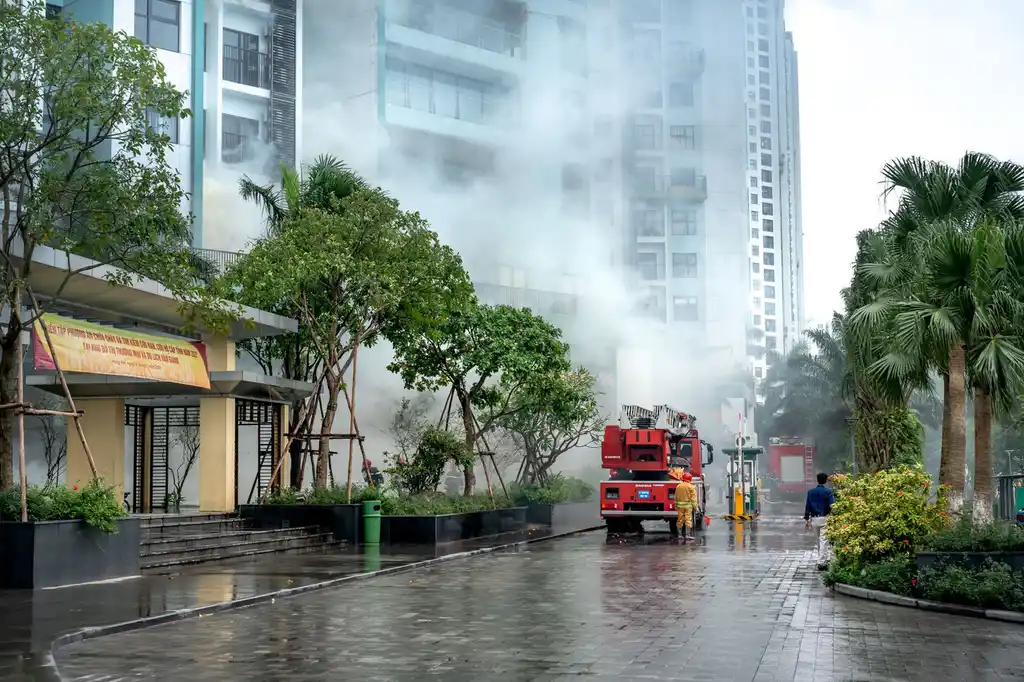
Your sump pump runs constantly during spring rains and you are worried it will fail.
We inspect the sump pit, liner, and discharge line. We check for clogs and test the pump. If it is near failure, we tell you and can replace it before it quits.
Outcome: You have a reliable sump system before the next storm, and you avoid a flooded basement.
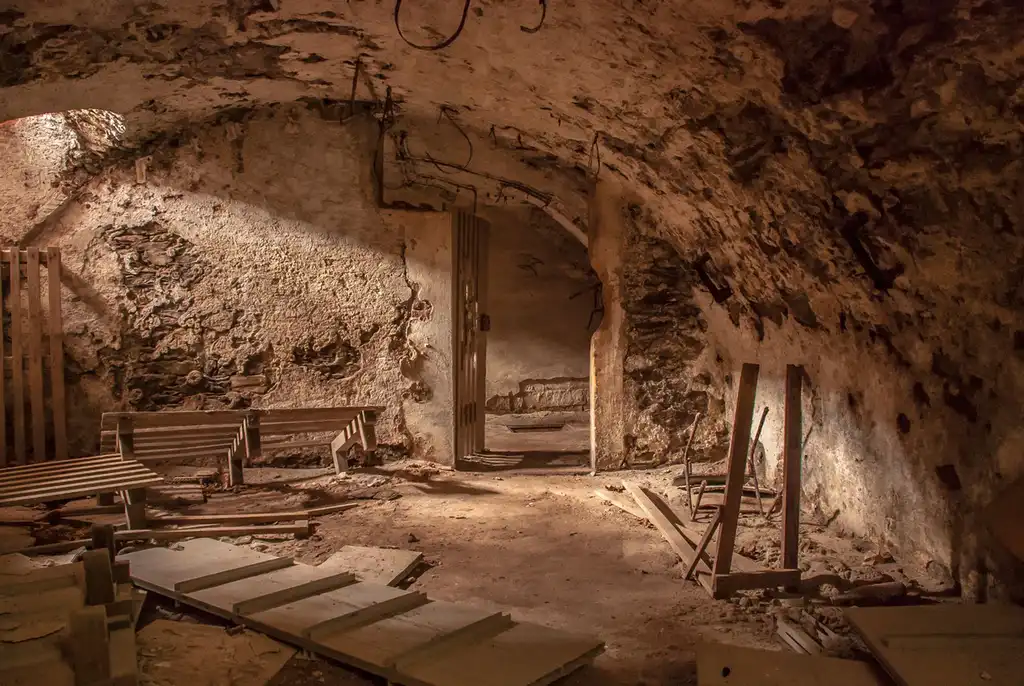
You are buying a home in Brandywine Village and the inspection report mentions groundwater intrusion.
We perform a full moisture inspection and give you a written report with photos and readings. We explain what it will take to fix and what it will cost.
Outcome: You can negotiate with confidence or budget for repairs knowing exactly what you are dealing with.

Wilmington's housing stock is old. Many homes in neighborhoods like The Highlands, Brandywine Village, and Trinity Vicinity have brick or stone foundations with no modern waterproofing. When heavy rain hits, the water table rises and hydrostatic pressure pushes water through mortar joints and floor cracks. We see this most in spring and after summer storms.
Our approach starts with finding the entry point, not just extracting water. We use thermal imaging and moisture meters to map the intrusion, then dry the space and seal the source. For homeowners searching for basement groundwater seepage cleanup Wilmington DE, we explain what we find and what it will take to fix. If you need 24 hour groundwater intrusion cleanup Wilmington Delaware, call us. We respond.
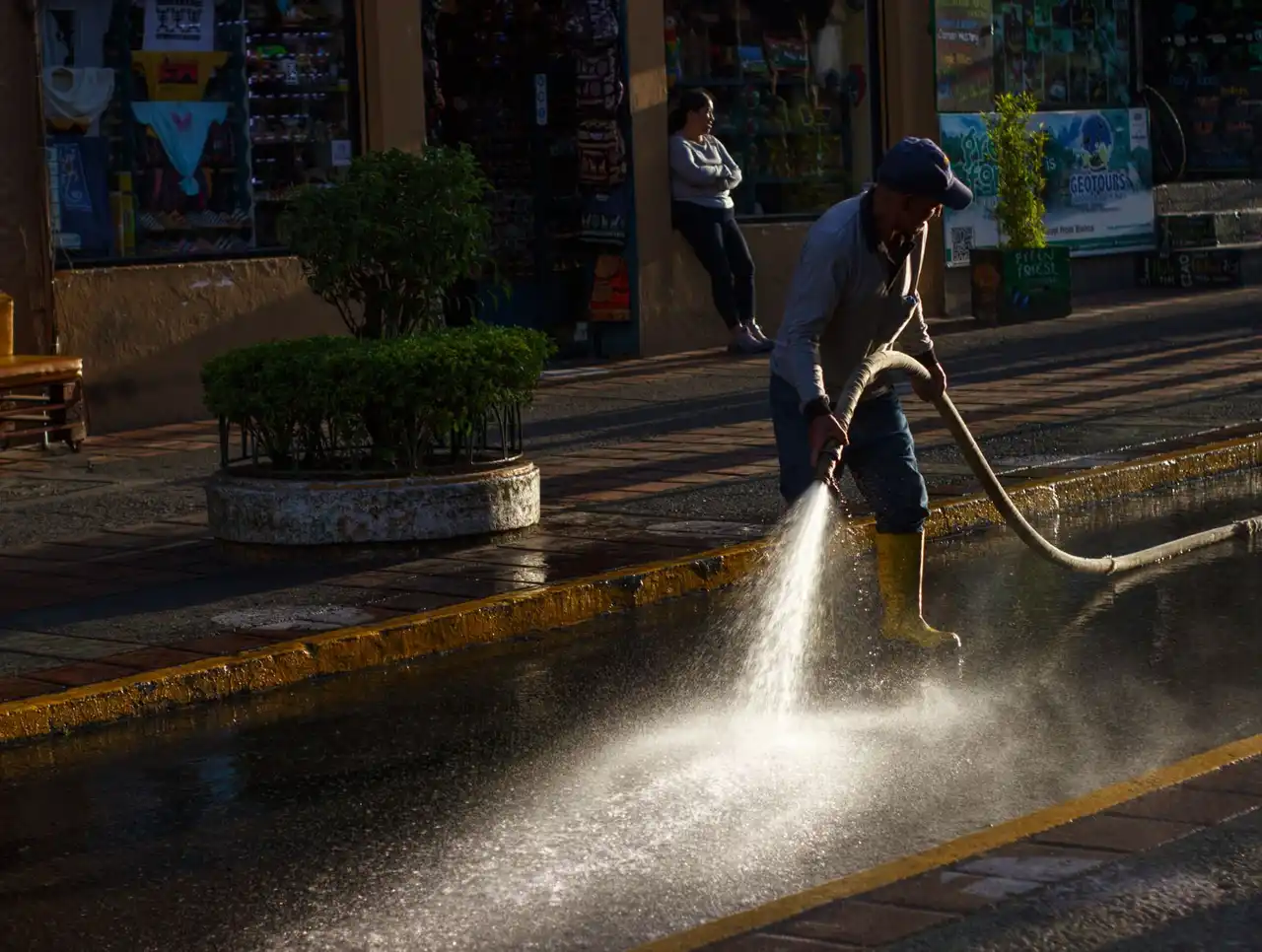
Before: A homeowner in Trolley Square had water seeping through the back foundation wall every time it rained. The finished basement smelled musty, and the carpet was damp along the wall. Moisture readings showed 28% in the drywall and 22% in the concrete.
After: We extracted the standing water, removed the wet carpet and pad, and dried the wall and floor over four days. We sealed the crack with hydraulic cement and applied waterproof membrane. Final readings were under 12% across all materials.
The homeowner now checks the sump pump monthly and keeps gutters clear. We recommended a follow-up moisture check in six months, which they scheduled.
Before: A sump pump failed during a spring storm in Southbridge, leaving three inches of water in a finished basement. The water had reached the bottom of the drywall and was wicking up. The homeowner called us at 6 a.m.
After: We arrived by 9 a.m., extracted the water within two hours, and set up drying equipment. The drywall dried without needing replacement. We installed a new sump pump and liner. The basement was dry in five days.
We told the homeowner to test the new pump every month and to consider a battery backup. They added the backup and have not had a problem since.
Before: A 1920s home in The Highlands had a stone foundation with deteriorating mortar. Water came through the walls during every heavy rain. The homeowner had tried caulking, but it failed within a year.
After: We dried the basement, repointed the mortar joints, and applied a waterproof membrane. We also improved grading outside to direct water away. Moisture readings dropped from 25% to 10% in the stone.
The homeowner now checks the membrane annually and keeps the grading sloped away from the house. We provided a written summary of the repair for their records.
These are the calls we get most often. If you recognize your situation, we can help.
A dry basement, a sealed entry point, and a clear plan.
We do not just dry the floor and leave. We identify the entry point, whether it is a cracked foundation wall, a failed sump pump liner, or a blocked footer drain. Sealing the source means the next storm does not put you right back where you started.
Standing water is obvious. Moisture trapped inside drywall, wood flooring, and insulation is not. We use hygrometers and moisture meters to confirm your structure is actually dry, not just surface-dry. That prevents mold growth and saves you from a much bigger repair bill later.
Repeated groundwater intrusion weakens mortar joints, causes efflorescence, and can lead to structural cracks. We apply waterproof membrane and sealants that keep hydrostatic pressure from pushing water through your foundation walls season after season.
Water does not wait, and neither do we. For emergency groundwater intrusion cleanup Wilmington DE calls, we aim to have a crew on-site the same day. We arrive with water extraction units, air movers, and dehumidifiers ready to work, not just a clipboard and a promise.
What a written scope covers and what shapes it. Prices are set by the business after the first look.
Included
Depends on
Clear records you can keep and share.
Images of affected areas before and after
Daily readings for all affected materials
Written description of what was done
What to watch for and when to call
Groundwater comes from outside and pushes in. Other water damage starts inside from a pipe or appliance.
Water from outside entering through foundation
Water from a pipe or fixture inside
Contaminated water from drain system
A list like this tells people straight away whether you cover their street. Not listed? Call and ask: it only takes a minute.
Based in Wilmington and covering the places around it. Pick one for local details.
A single-room seep that is caught early may be on the lower end. A finished basement with soaked drywall and carpet will be higher. We provide a written estimate before work begins so there are no surprises.
In Wilmington Delaware, groundwater enters basements for three common reasons: hydrostatic pressure pushing through brick or block foundation walls, a failed sump pump or clogged footer drain, and cracks in the foundation floor or cove joint. The city's older homes and high water table in low-lying areas make all three more likely. We inspect all of these during our initial assessment.
Extraction usually takes two to four hours. Drying typically runs three to five days, depending on material types and how much moisture is trapped. Sealing and repairs add another one to two days. For a straightforward basement seep, you are looking at about a week from start to finish. We give you a specific timeline after the initial inspection.
Stopping groundwater intrusion starts with identifying the entry point. We seal foundation cracks with hydraulic cement and caulk, apply a waterproof membrane to walls, and ensure your sump pump and liner are working correctly. We also check grading and downspout drainage outside. For chronic issues, we may recommend a footer drain inspection. The goal is to redirect water before it reaches your foundation.
Other services from the same team.
Water in your basement will not dry on its own. Call Wilmington AquaRestore at (302) 775-0748 for same-day groundwater intrusion cleanup. We are local, we are ready, and we will tell you exactly what needs to happen.
Call (302) 775-0748 any time, day or night. If you prefer email, send photos and details to info@wilmingtonaquarestore.com and we will follow up with next steps.