For Homes
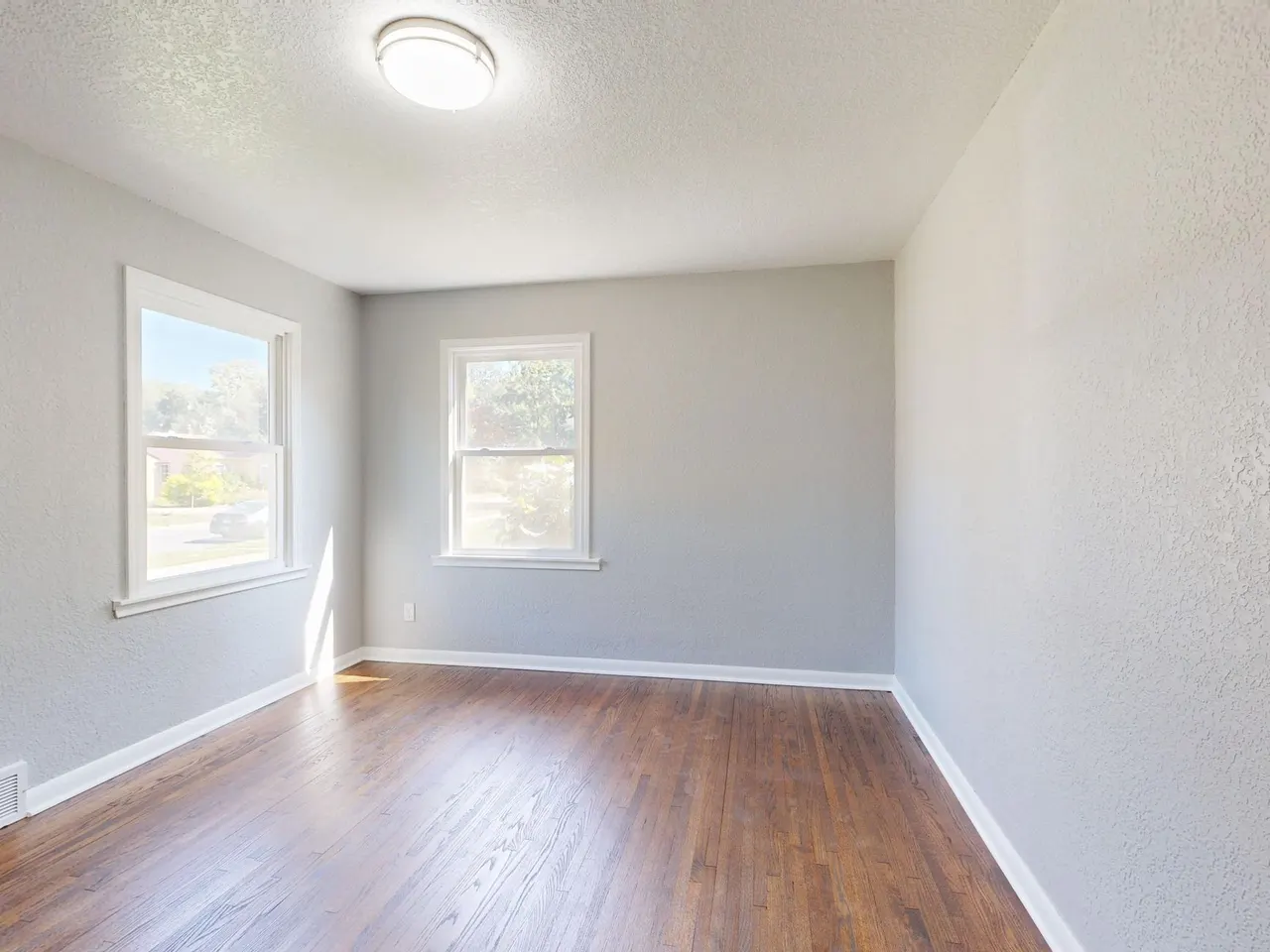
We handle flooded basements, wet ceilings and soaked floors in Wilmington homes. You get extraction, drying and a written record of what was wet.
- Basement water after storms
- Sump pump overflow
- Ceiling stains from roof leaks
Heavy Rain Flood Cleanup Wilmington DE starts with a truck at your curb and a pump in your basement. We handle rain flood water removal Wilmington DE for homeowners across New Castle County, from Trolley Square rowhouses to Riverfront condos. When a storm dumps two inches in an hour and your sump pump quits, you need water out before it climbs the drywall. Call (302) 775-0748 and we roll.
 Moisture mappedWater extractedDrying logged
Every storm flooding job is different, but the core scope is consistent. Here is what we bring, do and hand you when we leave. If your loss needs more, like sewage treatment or mold remediation, we tell you before we start and price it separately.
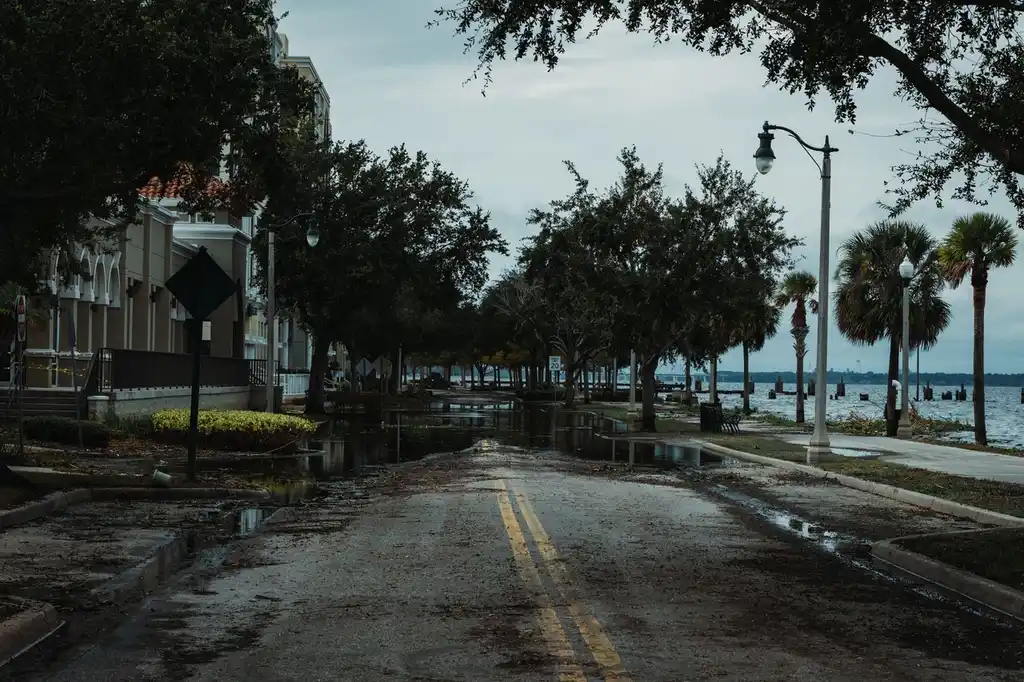
We pull standing water with a water extraction unit and wet/dry vacuum, including from carpet, concrete and low crawl spaces. Most basements with two to four inches are pumped dry within three hours of arrival.
A thermal imaging camera, moisture meter and boroscope camera find water behind baseboards, under flooring and inside wall cavities. You see the readings, so you know exactly what is wet and what is not.
Dri-Eaz air movers and dehumidifiers run until the structure reads dry on a hygrometer. We check twice daily and adjust equipment placement as materials dry at different rates.
Saturated drywall below the flood line, soaked carpet pad and warped plywood come out. We bag and haul it the same visit so nothing sits in your basement and sours.
Affected framing, concrete and cavity surfaces get treated to slow microbial growth. This is standard on storm flooding jobs where water sat for more than a day before extraction.
You get daily moisture logs, before-and-after photos and a written scope. That package is what your insurance adjuster needs to process a storm flooding claim without delays.
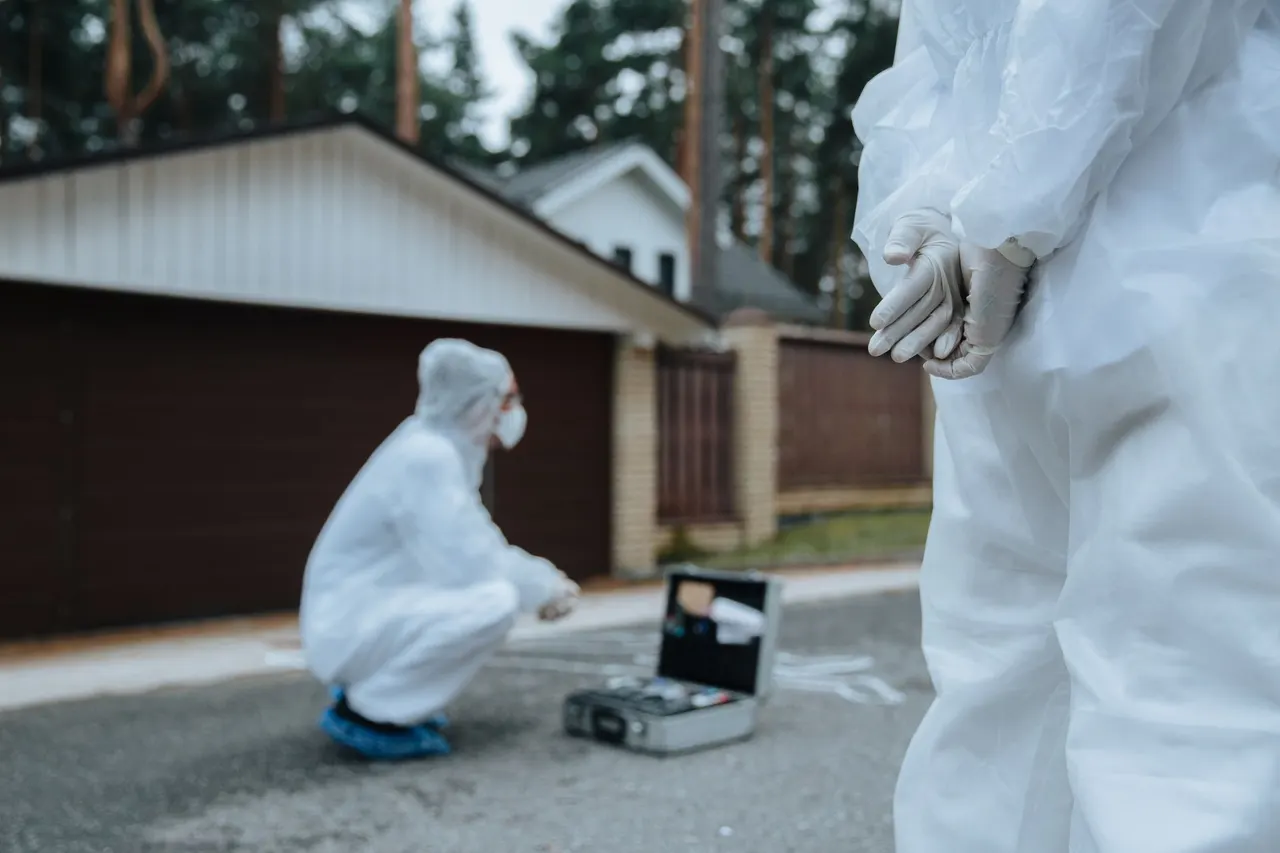
The approach is the same for a home and a business. What changes is the access, the schedule and who needs the paperwork.
We handle flooded basements, wet ceilings and soaked floors in Wilmington homes. You get extraction, drying and a written record of what was wet.
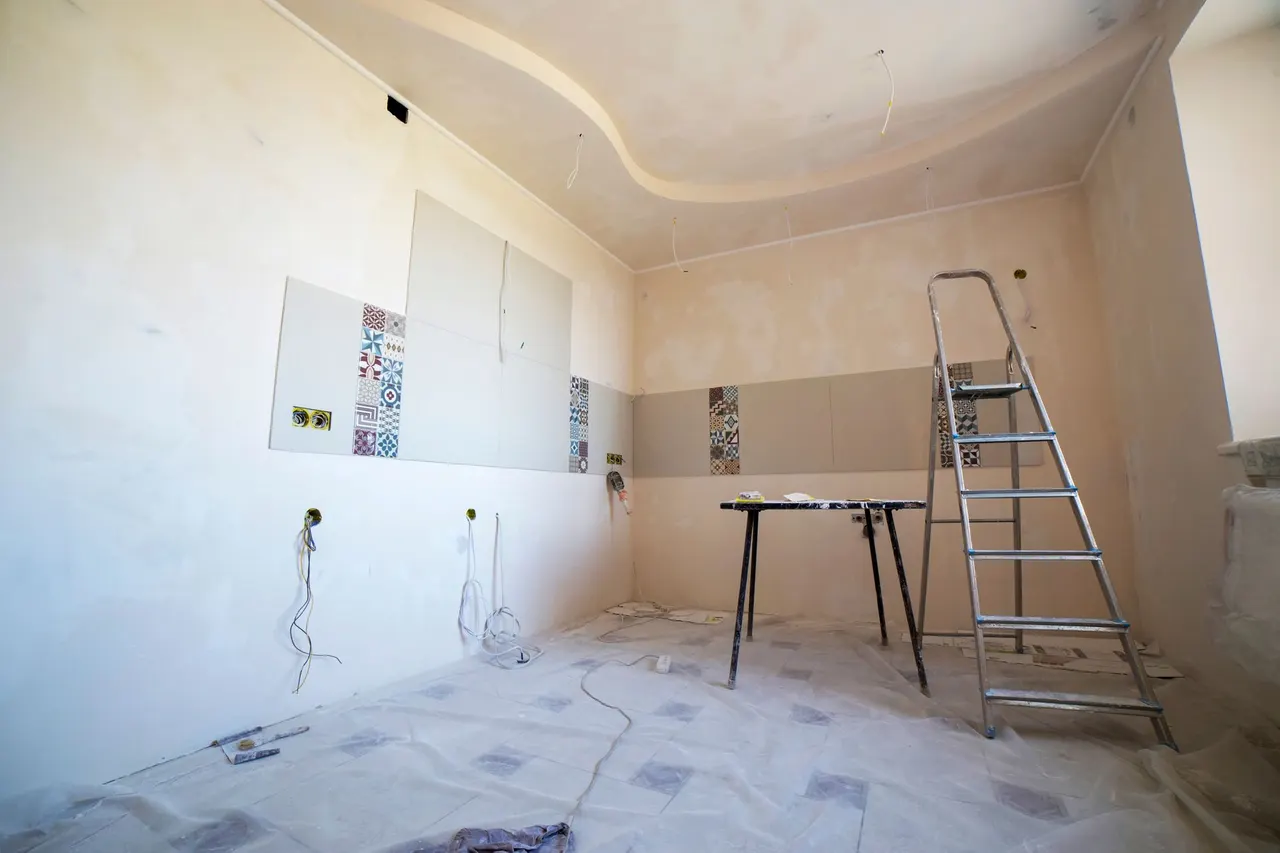
We handle storm water in shops, offices and rental units across Wilmington. Work is staged around your operating hours and documented for property claims.
A plain-language look at what Heavy Rain Flood Cleanup involves and when it is needed.
See how it worksHeavy Rain Flood Cleanup Wilmington DE is the emergency water damage service that removes standing storm water from a home or business, then dries the structure before mold takes hold. A real cleanup is not a shop vac and a box fan. We pull water with a water extraction unit, map hidden moisture with a thermal imaging camera and moisture meter, then run Dri-Eaz air movers and dehumidifiers until the framing, subfloor and drywall read dry on a hygrometer. Every job gets logged with readings, photos and a drying report you can hand to your insurance adjuster.
Wilmington floods in a specific way. The Brandywine and Christina spill over low-lying blocks near Southbridge and Browntown, while century-old clay drain tile in The Highlands backs up into basements during summer downpours. We see the same calls every spring and fall: a sump pump failure at 2 a.m., groundwater intrusion through a stone foundation, or a roof leak that soaks a ceiling before anyone notices. If you are searching for heavy rain flood cleanup near me Wilmington, that call usually comes during the storm, and we answer it.
Storm water comes in fast; drying it correctly is what prevents mold.
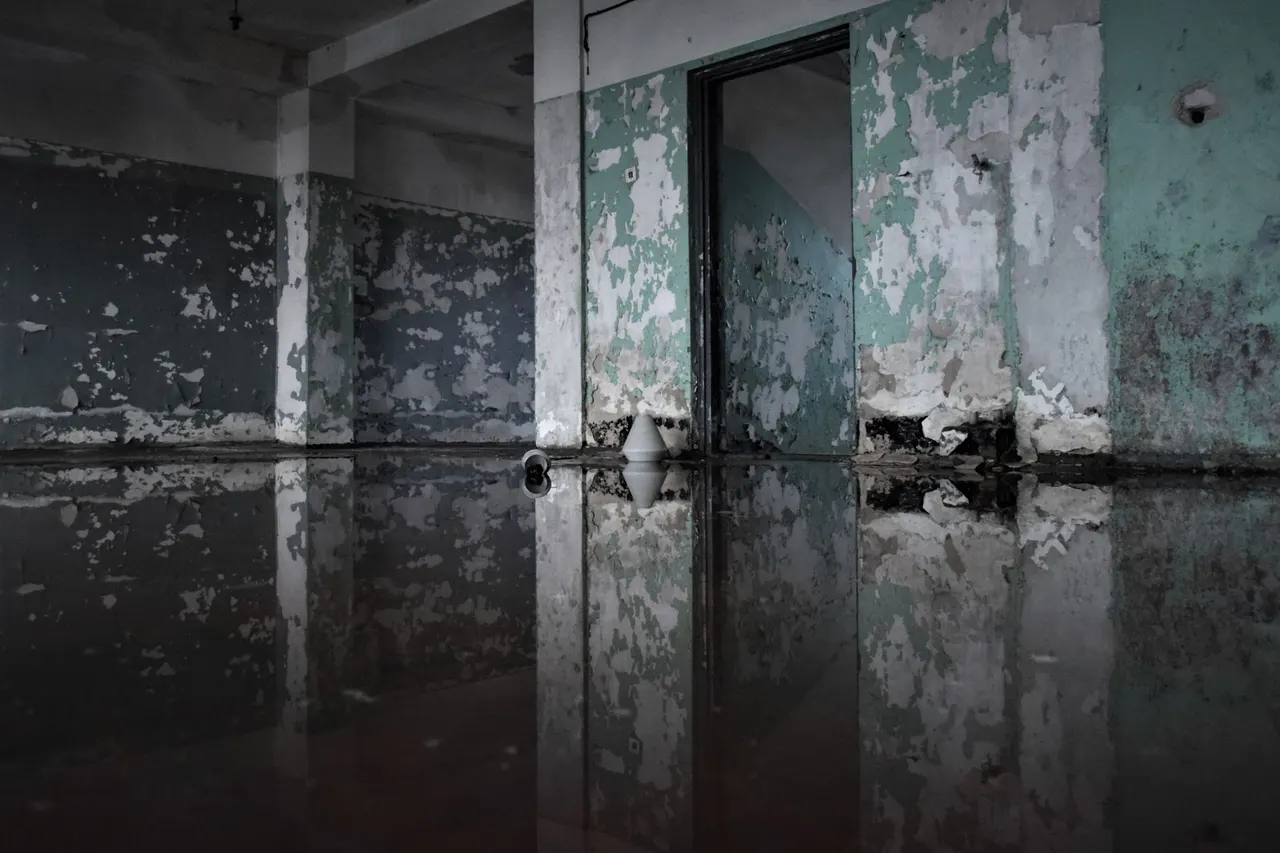
Five steps, from the first phone call to a dry, documented structure. You will know what is happening at every stage.
You call (302) 775-0748 and describe what you see: how deep the water is, where it came in, whether it smells like sewage. We ask about your sump pump, your foundation type and whether the power is on. That five-minute conversation tells us what to load and how many technicians to send.
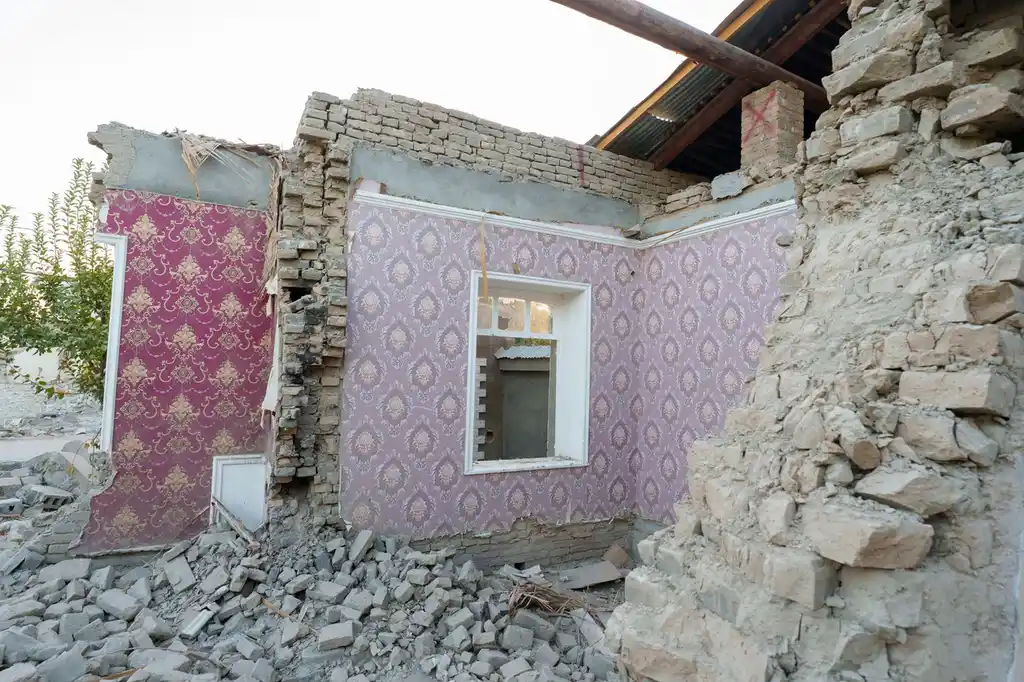
On arrival we walk the space with you, then map moisture using a thermal imaging camera, moisture meter and boroscope camera in wall cavities. We check for hidden water behind baseboards and under wood flooring. This takes 20 to 40 minutes and tells us exactly how far the water traveled.

We pull standing water with a water extraction unit and wet/dry vacuum, then remove saturated materials that cannot be dried: ruined drywall below the flood line, soaked carpet pad, warped plywood. We bag and haul it out the same visit so nothing sits and sours.
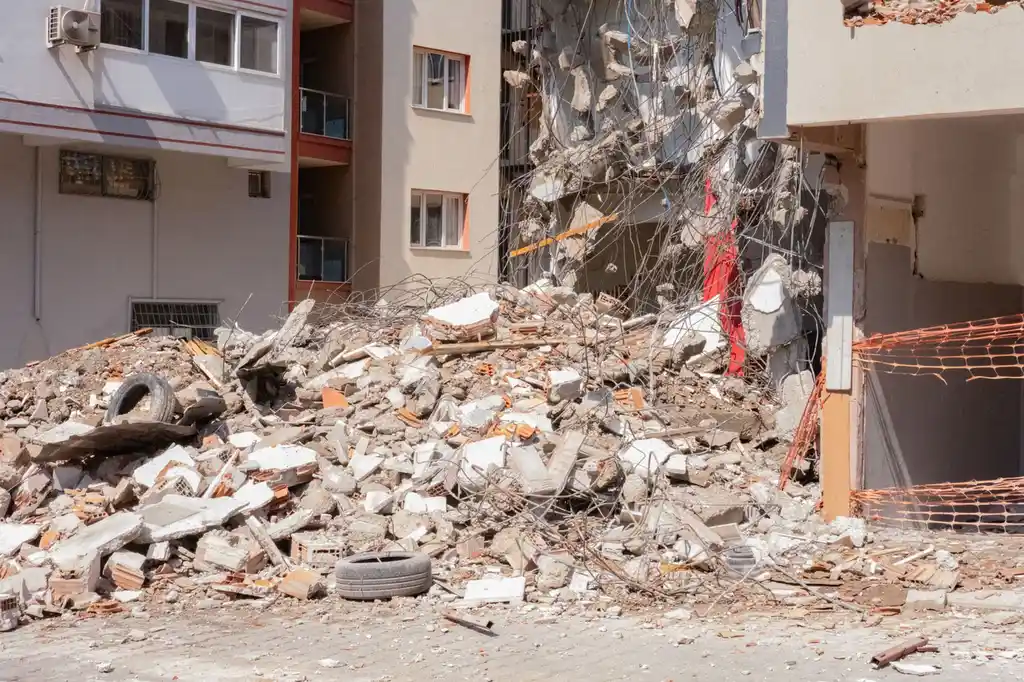
Dri-Eaz and Phoenix Restoration Equipment air movers go against walls and floors while dehumidifiers pull moisture from the air. We check readings with a hygrometer twice daily and adjust placement. Most storm flooding jobs dry in three to five days depending on material and depth.
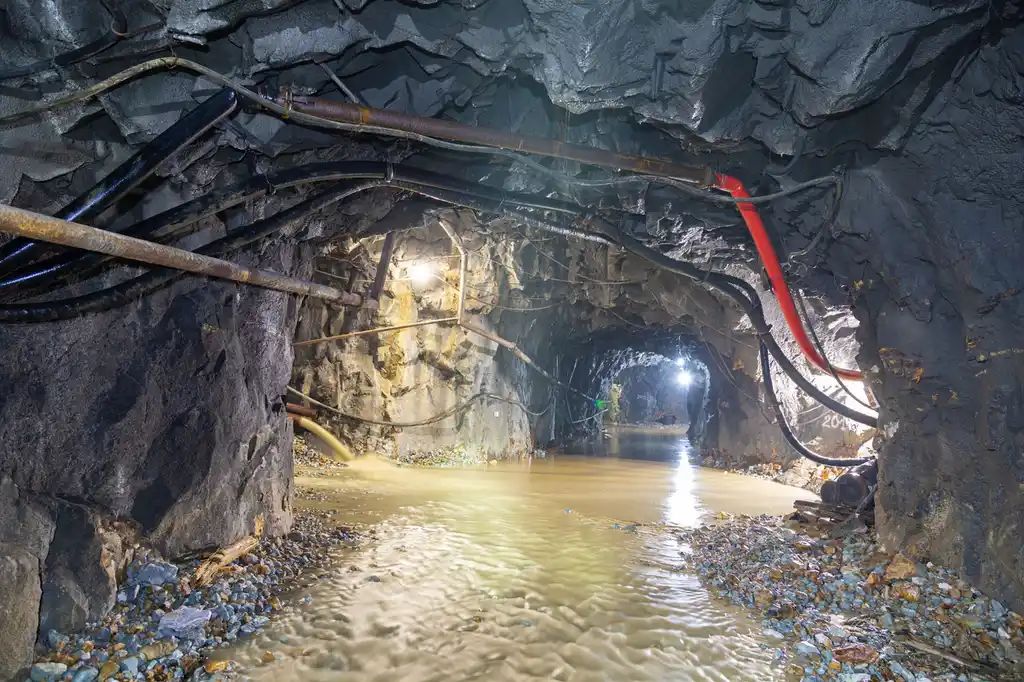
We do not pack up until readings match dry standard in every affected area. You get a drying report with daily moisture logs and photos. If a wall cavity is still high, the equipment stays. Then we walk you through what to watch for next storm season.
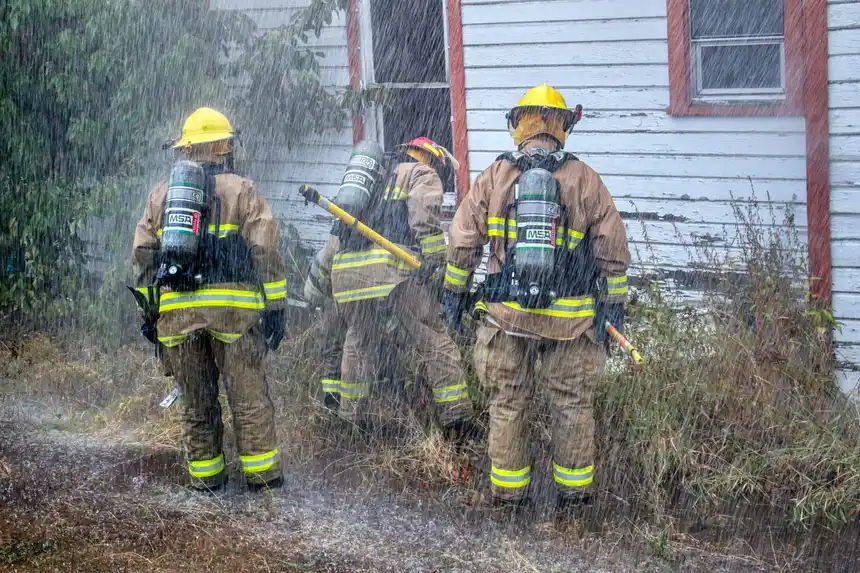
Move across a circle, or focus it and press Enter, for an illustrative thermal view of the photograph.

Pulls standing water from carpet, concrete and low areas faster than any shop vacuum. It is the first machine through the door on every storm flooding job.
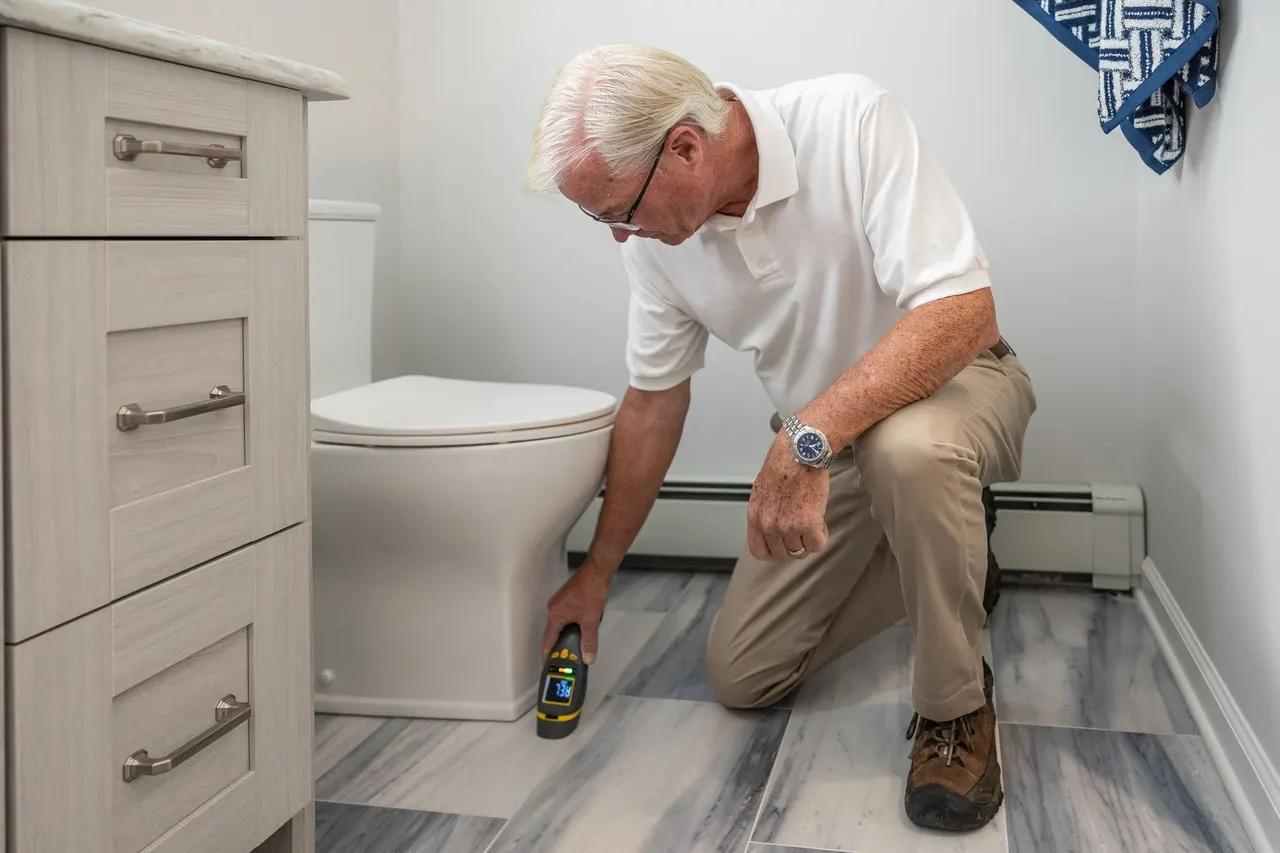
Shows temperature differences that reveal hidden water behind walls, under floors and around foundation seams without opening everything up.
Measures moisture content in materials and relative humidity in the air. We use both to set drying goals and confirm when the structure is actually dry.
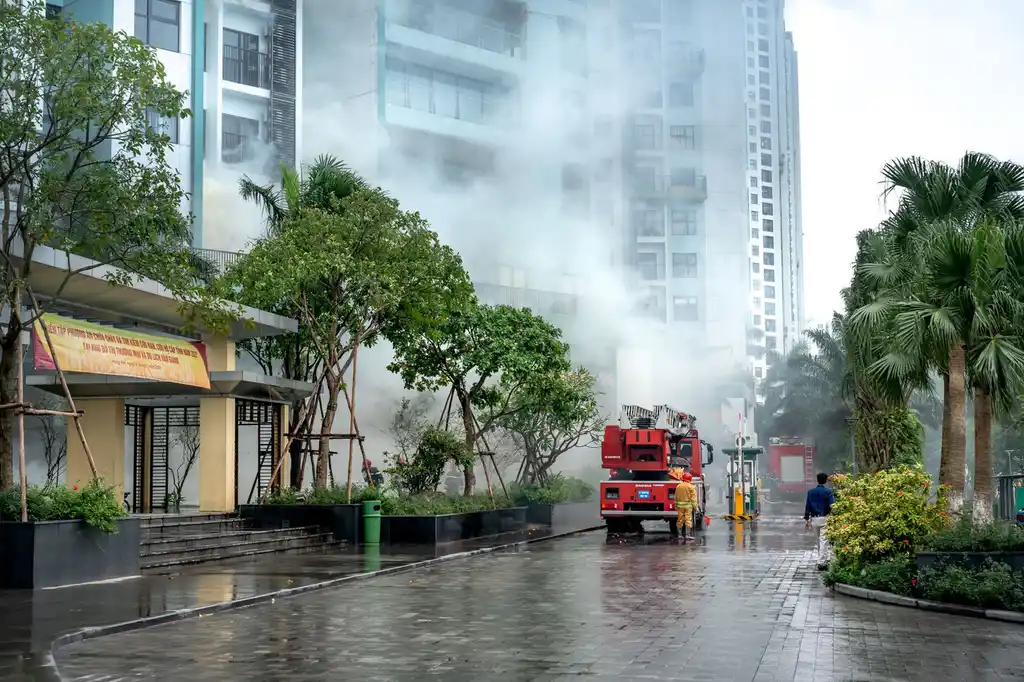
High-velocity airflow evaporates moisture from wall cavities, subfloor and framing. Placement matters, so we reposition them as readings change.

Pulls moisture out of the air so evaporated water does not settle back into materials. We check and empty or drain units daily on multi-day jobs.
Thermal views are illustrative, generated from the photographs.
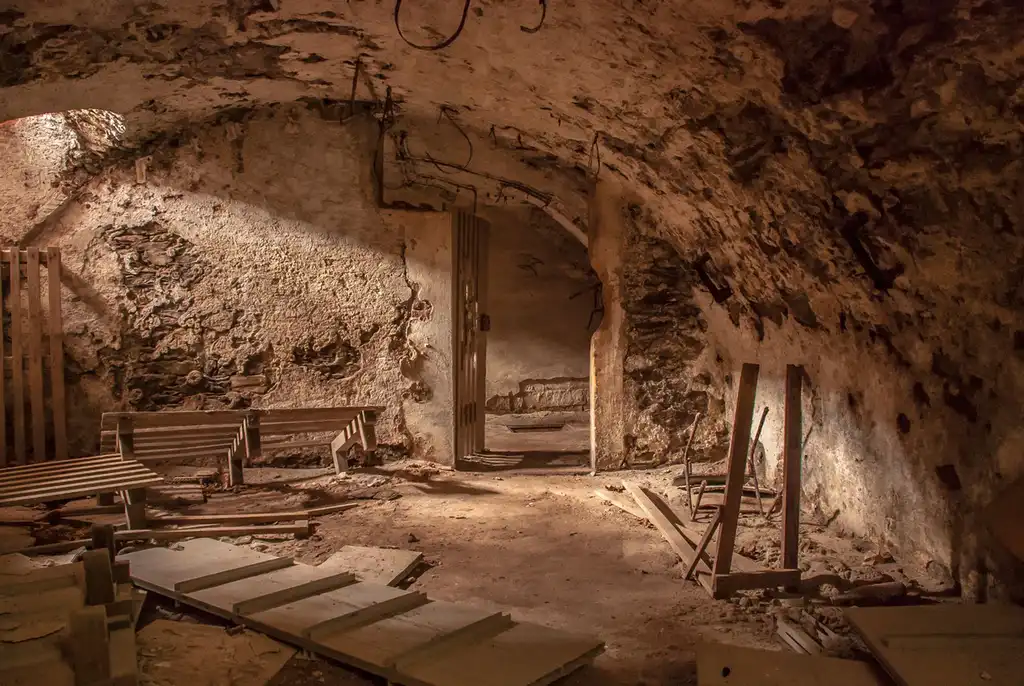
Slides into wall cavities and under flooring to confirm what the moisture meter suggests. It shows us wet framing without tearing out drywall.
We follow IICRC WRT and ASD drying principles, which set target moisture levels by material type. That is how we decide when a wall cavity is dry enough to close up, instead of guessing by touch.
Every affected area gets a reading twice a day, logged with the date, time and equipment placement. The log shows the drying curve and gives your adjuster objective proof of the loss.
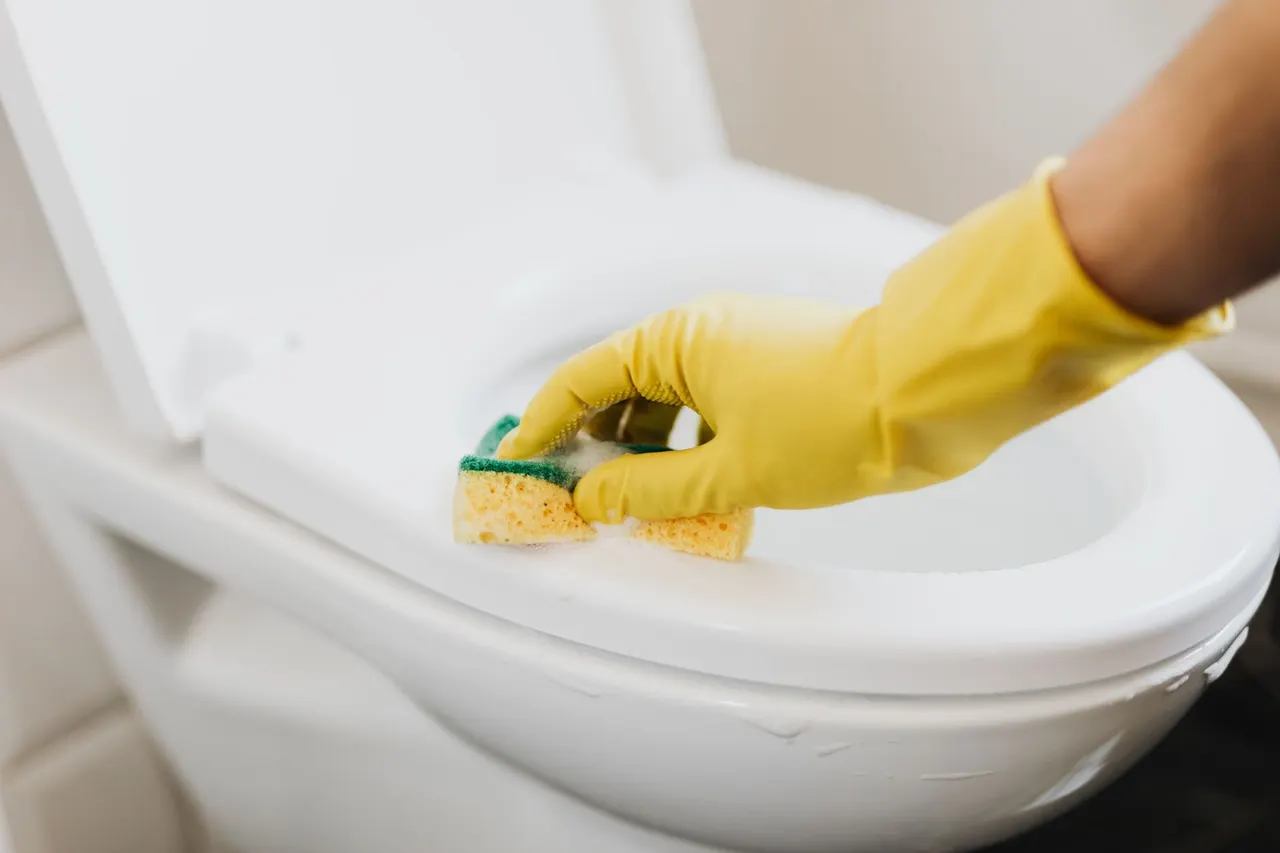
Sewage backup and floor drain surcharge get plastic containment and negative air where needed. It keeps contaminated dust and moisture from spreading to clean parts of the house.
Drying without fixing the source just means a repeat call.
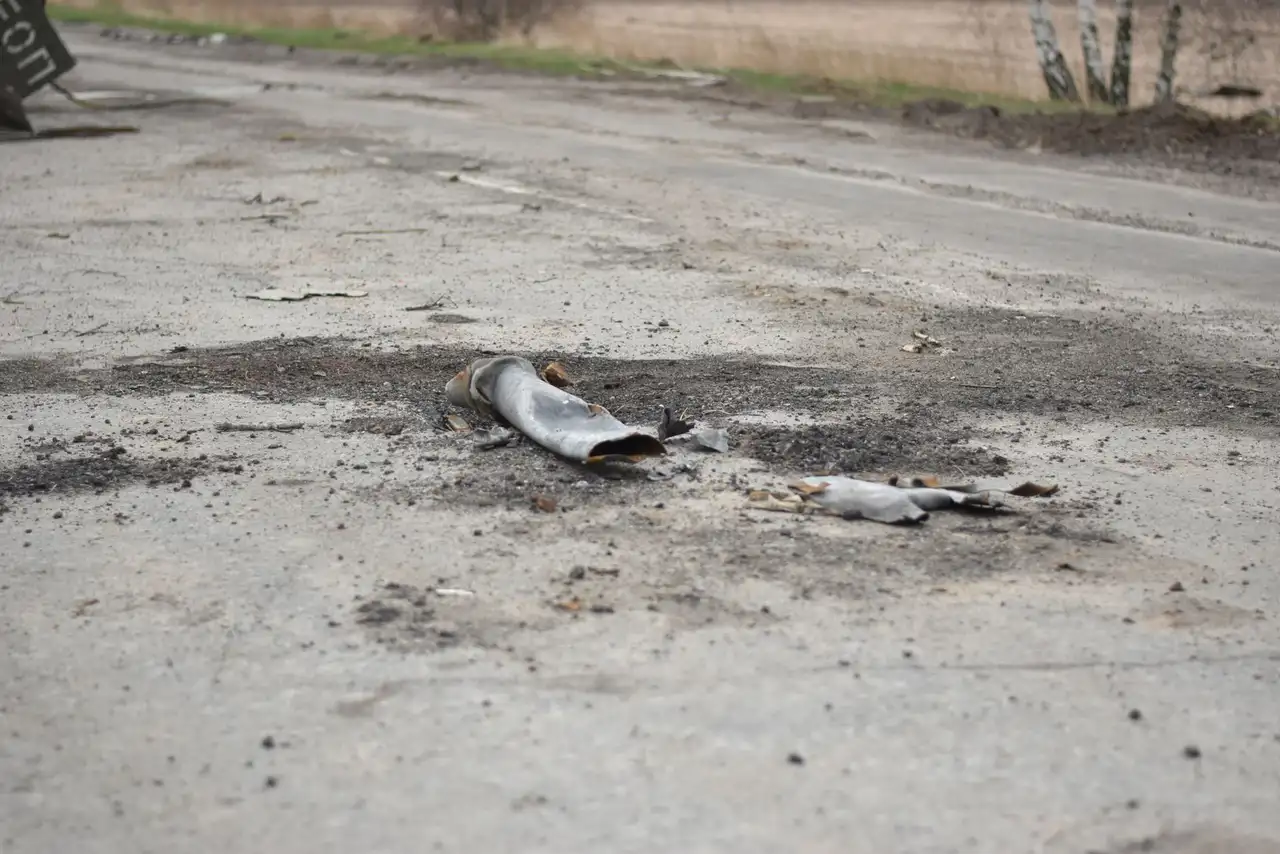
Two inches of rain in an hour and your basement floor drain is bubbling
We treat the backup as contaminated water, extract it, remove affected materials and dry the space with containment. Our crew checks the floor drain and main line to confirm the source.
Outcome: Your basement is dry, treated and documented, and you know whether the backup was a one-time surcharge or a sign of a line problem.
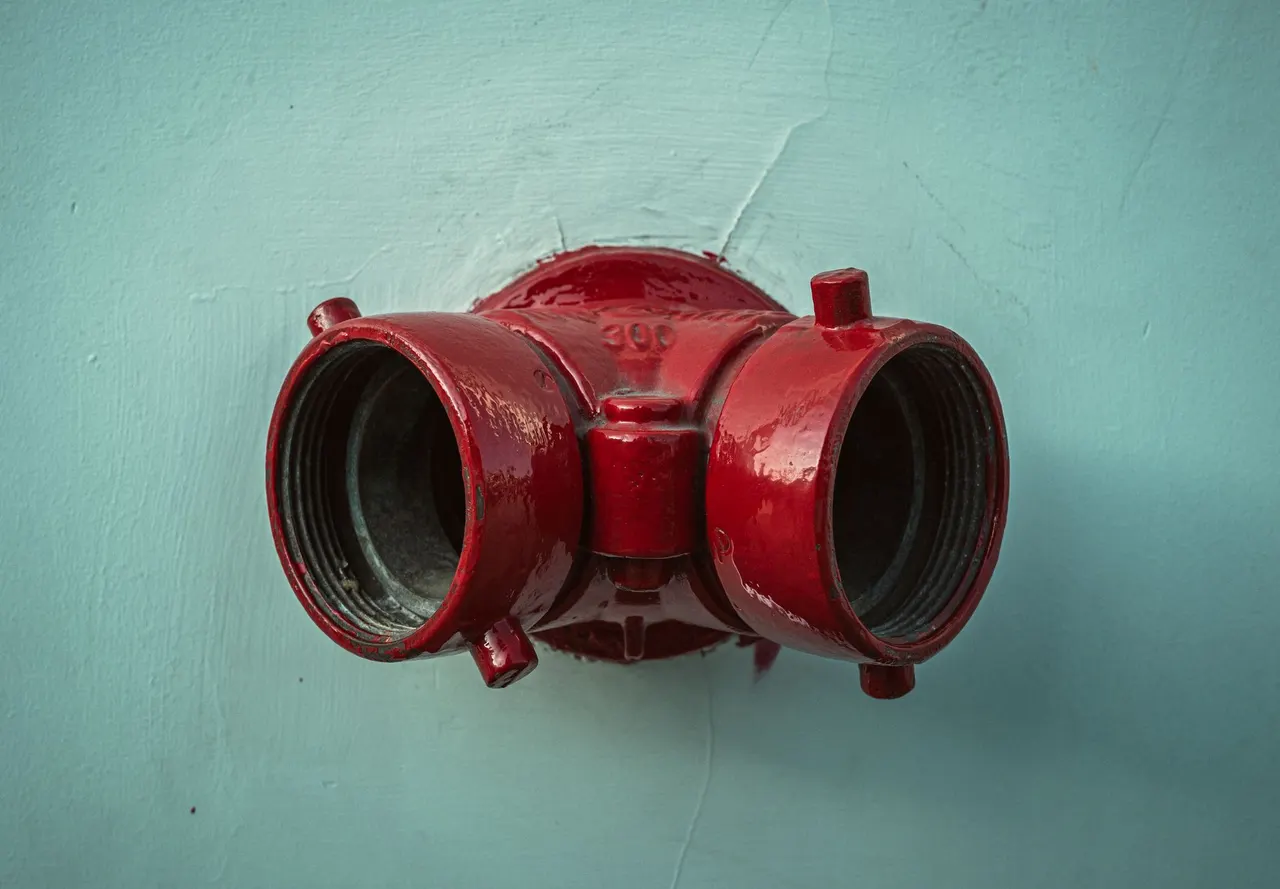
You wake up to a sump pump alarm and water creeping toward the furnace
We shut down power to affected equipment, extract the water, and set drying equipment around the furnace and water heater.
Outcome: Water is out before it reaches the mechanicals, and your heating system is inspected and cleared rather than replaced.
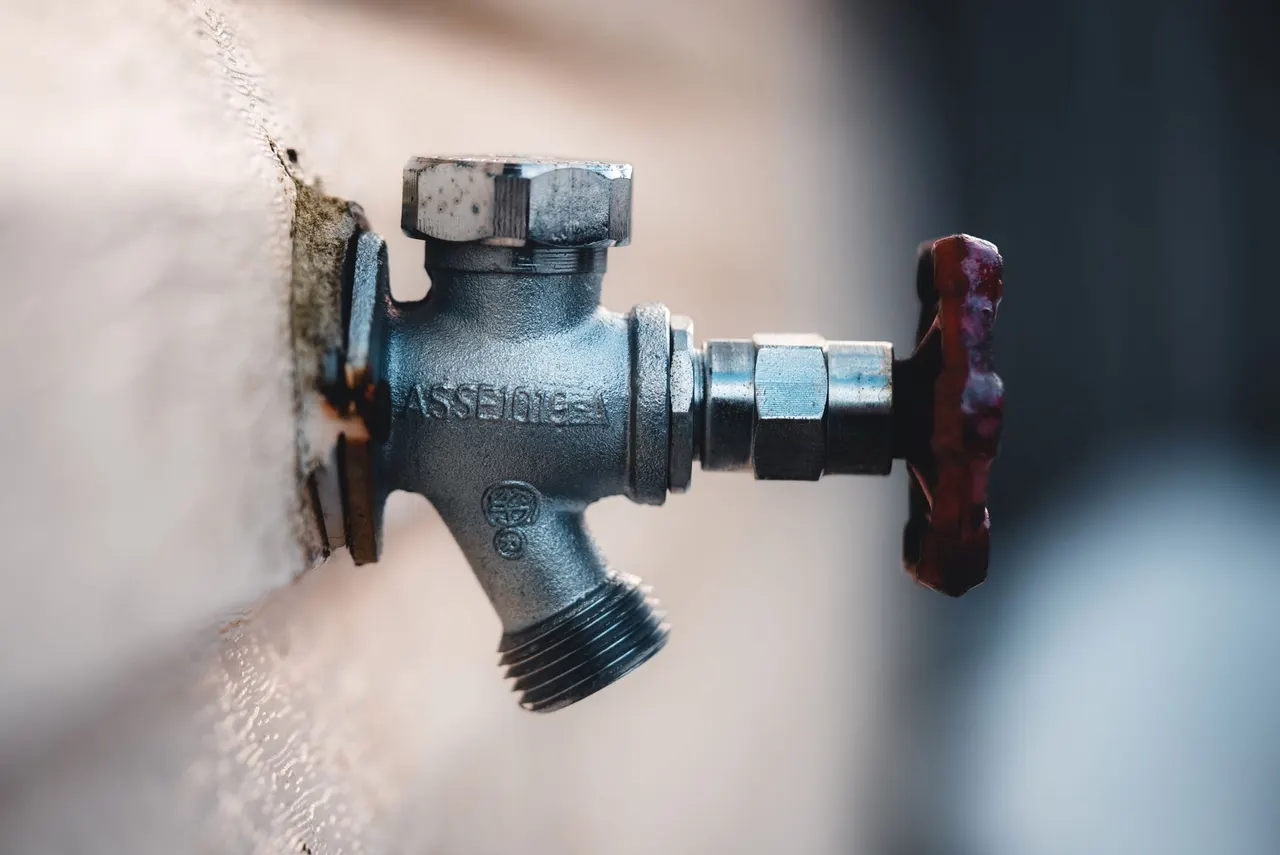
A storm tears off shingles and water stains your upstairs ceiling
We trace the leak with a thermal imaging camera, open the ceiling cavity, extract any pooled water and dry the framing and insulation. We document the roof leak path for your claim.
Outcome: The ceiling is dried and repaired, and you have photos showing the storm damage your adjuster needs.

You come home from vacation to a damp basement and a musty smell
We run a full moisture inspection with a hygrometer and boroscope camera, find the wet zones, then extract and dry. If mold has started, we contain and treat it as part of the scope.
Outcome: You know exactly where the water came from, the space is dry, and any mold growth is handled before it spreads.
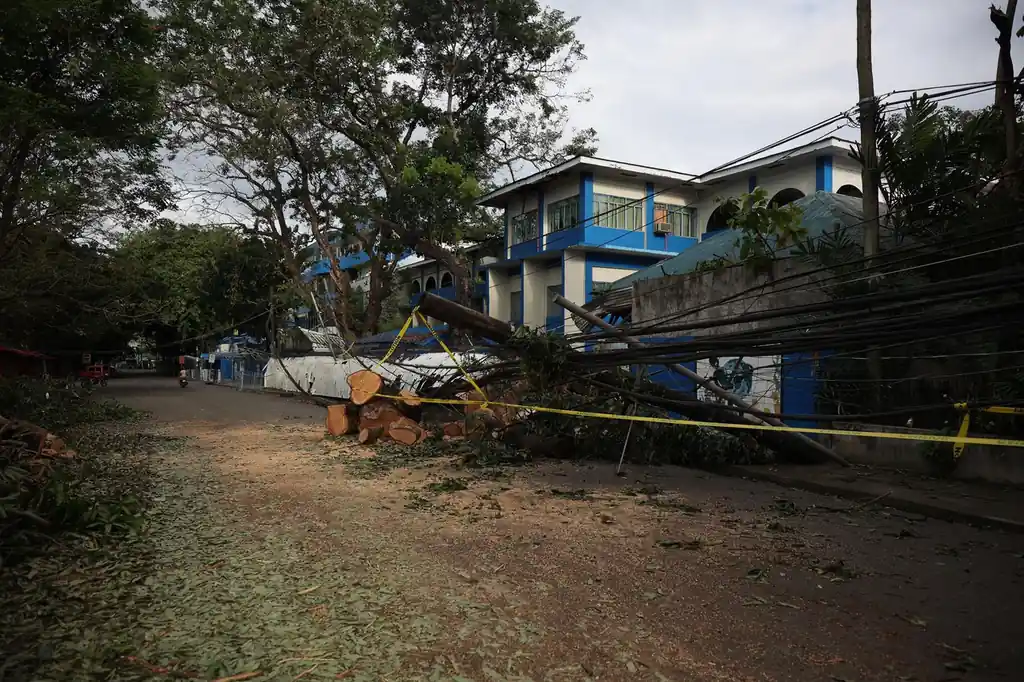
Wilmington sits where the Brandywine and Christina creeks meet the tidal river, and that geography drives our storm calls. Low blocks in Southbridge and Browntown flood first, then water climbs into basements in The Highlands and Trolley Square where clay drain tile and stone foundations are a century old.
Summer thunderstorms and fall nor'easters both dump fast rain, and the ground here saturates quickly because so much of the city is paved. We see the same pattern: a sump pump that runs for hours, overheats and quits, then a basement fills. Our crews know which streets drain poorly and which alleys are too tight for a box truck, so we stage equipment accordingly.
If you need same day heavy rain flood cleanup Wilmington DE, call early in the storm and we will tell you honestly where you sit in the queue.
Before: A July storm knocked out power for four hours and the sump pump never restarted. The homeowner found two inches of water across a finished basement, with carpet pad saturated and drywall wicking water up six inches.
After: We extracted the standing water in under two hours, removed the ruined carpet pad, cut drywall at the flood line and ran Dri-Eaz air movers for four days. Final readings matched dry standard, and the basement was back in use within a week.
We recommended a battery backup sump pump and a water alarm near the basin. The homeowner also scheduled a spring check so the float and discharge line get tested before storm season.
Before: Three days of rain saturated the soil and water pushed through a stone foundation into an unfinished basement. The floor was wet, the bottom of the framing was damp, and a musty smell was starting near the stairwell.
After: We extracted the water, dried the wall and floor assembly with controlled airflow, and treated the affected framing. Moisture readings dropped from 28 percent to under 12 percent in five days, and the musty smell cleared.
We suggested regrading the side yard away from the foundation and clearing the gutter downspouts. Both reduce hydrostatic pressure before the next long rain.
Before: Wind-driven rain found a gap in the roof flashing and soaked an upstairs ceiling. A brown stain spread across eight square feet, and the insulation above it was holding water the homeowner could not see.
After: We traced the leak path with a thermal imaging camera, opened the ceiling, extracted pooled water and dried the framing and joists. The drywall was replaced after readings hit dry standard, and the stain never came back.
We told the homeowner to have the flashing resealed before winter and to check the attic after every windstorm for damp insulation, which shows up before a ceiling stain does.
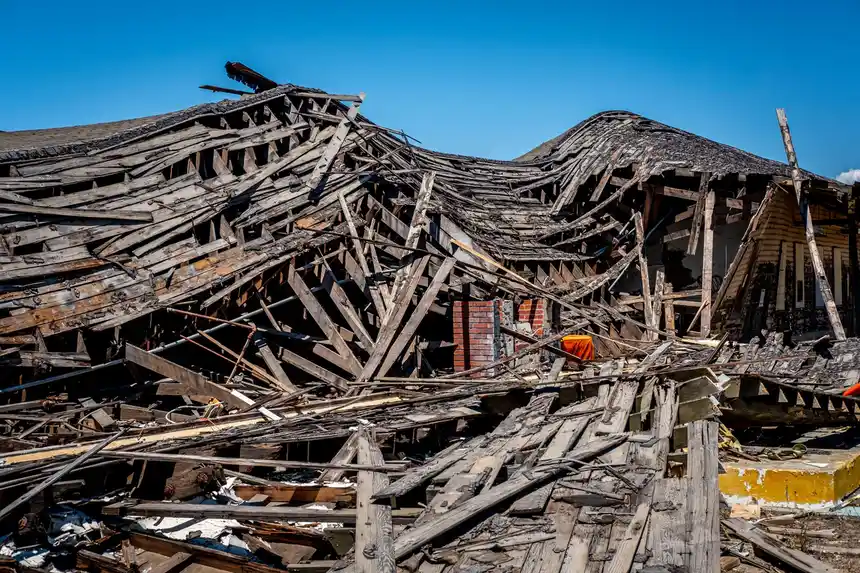
Heavy rain in Wilmington finds the weak point in every house. These are the calls we get most, and what happens if nobody handles them fast.
Water out fast, structure dried, paperwork ready for your claim.
Standing water wicks up drywall and into plywood subfloor within hours. We run a water extraction unit and wet/dry vacuum on arrival, and most basements with two to four inches of water are pumped dry in 90 minutes to three hours.
We do not guess. A moisture meter and hygrometer track every wall cavity and floor section, and we keep Dri-Eaz air movers and dehumidifiers running until readings match a dry standard. That documentation is what makes a rain flood water removal Wilmington DE claim hold up.
Mold growth can start on wet drywall in 24 to 48 hours. We treat affected framing and cavity surfaces, set containment where needed, and schedule a follow-up check at day three and day seven so a small storm loss never becomes a mold remediation project.
We photograph affected materials, log moisture readings and write a scope that matches what your adjuster needs. Most storm flooding from groundwater intrusion or sump pump failure is covered, and our documentation keeps the claim moving instead of stalling.
What a written scope covers and what shapes it. Prices are set by the business after the first look.
Included
Depends on
Clear records you can keep and share.
Daily moisture readings by area
Before and after images
Work performed and materials removed
Machines used and days run
How the water entered decides whether we dry in place or remove materials first.
Entered through a roof leak or window
Pushed through foundation walls and seams
Sewage backup or floor drain surcharge
A list like this tells people straight away whether you cover their street. Not listed? Call and ask: it only takes a minute.
Based in Wilmington and covering the places around it. Pick one for local details.
A finished basement with two inches of water and soaked carpet costs less than one with sewage backup and ruined drywall. We inspect first, then give you a written scope with the price before any work starts.
Wilmington's older neighborhoods sit on clay drain tile and stone foundations that were never built for the volume of rain we get now. When the ground saturates, hydrostatic pressure pushes water through foundation walls and floor joints. Sump pump failure makes it worse: a pump that runs constantly during a storm can burn out or lose power, and the basin overflows within minutes.
Extraction usually takes two to four hours. Structural drying runs three to five days for most basements, longer if water reached wall cavities or hardwood flooring. We check moisture readings twice daily and do not remove equipment until the structure reads dry. You get a daily log so you can see the progress, not just take our word for it.
Storm-driven water that enters through a failed sump pump, a roof leak or groundwater intrusion is often covered under standard homeowners policies, though flood insurance handles surface flooding separately. We photograph everything, log moisture readings and write a scope your adjuster can work from. Call your carrier to open the claim, and we will document the loss from our side.
Other services from the same team.
Storm water does not wait, and neither should you. We are local, we answer during the storm, and we start extraction the same visit. One call gets a crew moving toward your address with pumps, air movers and meters on board.
Call (302) 775-0748 any time, day or night. If you prefer email, send photos and details to info@wilmingtonaquarestore.com and we will follow up with next steps.