Hardwood Floor Water Damage Restoration in Wilmington
Hardwood Floor Water Damage Restoration in Wilmington starts the moment we walk in with moisture meters and extraction gear. Whether a supply line let go under your kitchen sink or groundwater crept into a finished basement, our team pulls the water, dries the subfloor, and tells you straight whether your oak or maple can be saved. We handle homes across New Castle County, and we work fast because every hour counts.
Check moisture firstExtract standing waterDry to stable reading
We measure firstNo guessing where water went
We protect your spaceFloors and furniture covered
We show readingsYou see the numbers drop
We explain the planBefore any equipment is set
What Hardwood Floor Water Damage Restoration Includes
Every job starts with a full inspection and a written plan. What follows depends on how much water got in and how long it sat, but the core scope below is what you get on a standard restoration. If your floor needs board replacement or full refinishing, we tell you before we start and price it clearly.
Moisture Inspection
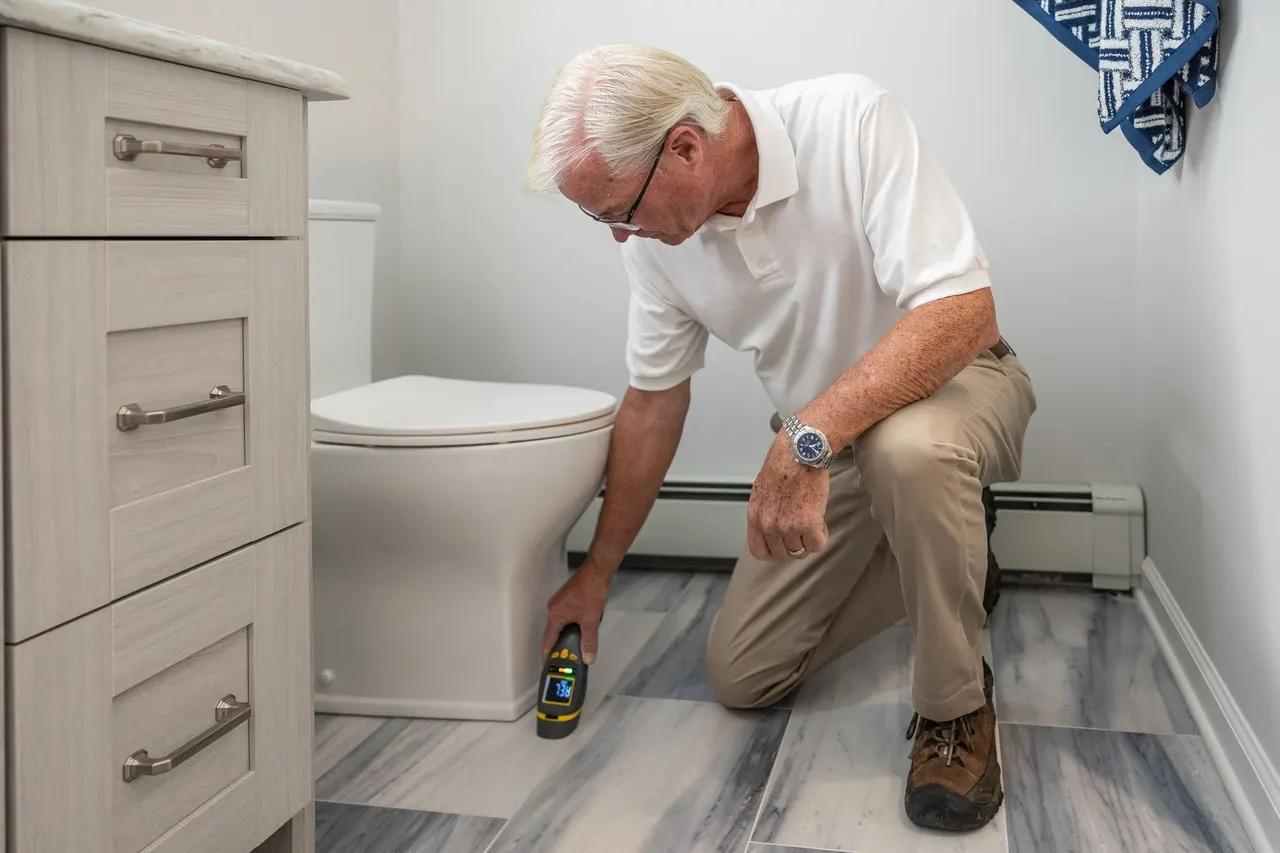
We map the wet area with moisture meters and a thermal imaging camera, then check the subfloor with a boroscope camera. You get a clear picture of what is wet and what is not before any equipment is set.
Water Extraction
Standing water comes up with a water extraction unit and wet/dry vacuum. We pull water from seams, under baseboards, and anywhere it pooled so the drying phase can actually work.
Drying and Monitoring
Air movers and dehumidifiers run for three to five days. We check readings daily with a hygrometer and adjust the setup until the wood moisture content is stable and low enough to refinish.
Board Repair
Cupped boards get sanded flat. Lifted boards get re-nailed. Buckled or contaminated sections get replaced with matching stock. We feather the repair into the surrounding floor so the transition is invisible.
Sanding and Refinishing
Once the wood is dry, we sand the affected area and apply finish to match the rest of the floor. This is what makes the repair disappear and protects the wood going forward.
Documentation
You get moisture logs, before-and-after photos, and a written summary of the work. This package is what your insurance adjuster needs and what protects you if questions come up later.
Homes and businesses.
The approach is the same for a home and a business. What changes is the access, the schedule and who needs the paperwork.
For Homes and Rentals
We handle water damage in occupied homes, apartments, and rental units across Wilmington. Our crews work around your furniture and your schedule, and we keep the drying equipment contained so the rest of the house stays livable.
Supply line leak under sink
Water heater failure in hallway
Sump pump failure in basement
For Businesses and Property Managers
We work with restaurants, offices, retail spaces, and property managers who need a fast turnaround and clear documentation. We schedule around your operating hours and give you the records your insurance carrier or owner needs.
Restaurant kitchen supply line leak
Office break room appliance leak
Retail space storm water intrusion
Hardwood Floor Water Damage Restoration in Wilmington
A plain-language look at what Hardwood Floor Water Damage Restoration involves and when it is needed.
Hardwood Floor Water Damage Restoration in Wilmington is the process of extracting standing water, drying the wood and subfloor to a safe moisture content, and repairing or refinishing boards that cupped, crowned, or buckled. Solid oak and maple absorb water through the seams and end grain within minutes, so the clock matters more than most homeowners realize. We use moisture meters, thermal imaging cameras, and calibrated dehumidifiers to pull that moisture back down to a stable reading before we touch a sander.
Wilmington's older housing stock makes this worse. Row homes in Trolley Square and the East Side often sit on original pine subfloors with no vapor barrier, and a single toilet overflow or water heater leak can wick ten feet in every direction overnight. We see it most after heavy rain flooding, frozen pipe bursts in January, and sump pump failures during nor'easters. If you search for hardwood floor water damage restoration near me Wilmington, you want a crew that knows these blocks, not a call center three states away.
Drying the wood to a stable moisture content is what saves the floor, not just extracting the water.
What it is
Extracting water from hardwood, drying the wood and subfloor, and repairing or refinishing boards that cupped or buckled.
When you need it
Any time water sits on hardwood from a leak, overflow, burst pipe, appliance failure, or storm flooding.
What to expect
An inspection, extraction, three to five days of drying with daily readings, then repair and refinishing.
What to Expect During Restoration
Every job follows the same five stages, whether it is a single room or a whole first floor. You will know what is happening, how long it takes, and what we found at each step.
Emergency Call
You call, we ask what happened and where the water is coming from. We walk you through shutting off the supply valve or killing power to a wet area. A crew rolls to your address with extraction units, air movers, and moisture meters loaded. Most Wilmington calls get a technician on site the same day.
Call answered
Crew dispatched
Water shut off
Inspection and Mapping
We walk the floor with a moisture meter and thermal imaging camera to find every wet zone, including water that traveled under baseboards into the next room. A boroscope camera checks the subfloor cavity. You get a plain explanation of what is wet, what is not, and what we recommend.
Moisture mapped
Subfloor checked
Plan explained
Extraction and Drying
Standing water comes up with a water extraction unit and wet/dry vacuum. Then we set Dri-Eaz and Phoenix air movers plus dehumidifiers to pull moisture from the wood and the air. We check readings daily with a hygrometer and adjust equipment until the floor hits a stable, dry baseline.
Water extracted
Air movers set
Daily readings
Repair and Refinish
Once the wood is dry, we handle the damage. Cupped boards get sanded flat, lifted boards get re-nailed, and badly buckled sections get replaced with matching stock. We feather the repair into the existing finish so you cannot see the seam. Sanding and sealing usually takes two days.
Boards repaired
Floor sanded
Finish applied
Final Walkthrough
We take final moisture readings, show you the numbers, and walk the floor with you. Any squeaks or high spots get addressed before we pack up. You get a written summary of what was done, plus photos of the before and after for your records or your insurance adjuster.
Final readings
Walkthrough done
Summary provided
Tools and Methods We Use
Move across a circle, or focus it and press Enter, for an illustrative thermal view of the photograph.
Moisture meter
Reads moisture content in wood and subfloor so we know exactly where the water went and when the floor is dry enough to refinish.
Thermal imaging camera
Shows temperature differences that reveal hidden moisture behind walls and under floors without tearing anything open.
Boroscope camera
Slides into the subfloor cavity to check for trapped water and early mold growth that surface readings would miss.
Water extraction unit
Pulls standing water out of the floor fast, including water that has pooled under baseboards and in low spots.
Dri-Eaz and Phoenix air movers
Drive air across the wood surface to speed evaporation and keep the drying front moving through the boards.
Thermal views are illustrative, generated from the photographs.
Methods
Dehumidifier
Removes moisture from the air so the wood has somewhere to release its water instead of reabsorbing it.
Hygrometer
Tracks relative humidity in the room so we can confirm the drying chamber is working the way it should.
IICRC S500 standard
The industry standard for water damage restoration. It sets the drying goals, monitoring intervals, and documentation requirements we follow on every job.
Daily moisture monitoring
We take readings every day and log them by room and material. If the numbers stall, we adjust equipment. This is how we know the floor is dry instead of guessing.
Containment and isolation
We block off wet zones to keep moisture from migrating into dry rooms. This protects unaffected flooring and keeps the drying chamber efficient.
Gradual drying
Wood dries too fast if you push it, which causes new cracking. We control the rate so boards release moisture evenly and stay flat.
When to Call for Hardwood Floor Restoration
Burst supply line
A pipe bursts in a second-floor bathroom and water runs down through the ceiling onto the hardwood below.
We shut off the water, extract from both floors, and dry the hardwood and the ceiling cavity together. A boroscope camera checks the joist bays for trapped moisture.
Outcome: The floor dries without cupping, the ceiling is repaired, and you avoid replacing two surfaces instead of one.
Sump pump failure
Your sump pump fails during a spring storm and two inches of water spread across a finished basement floor.
We pump and extract the standing water, then set air movers and dehumidifiers to dry the wood and the slab beneath it. Daily readings track the progress.
Outcome: The basement floor is dry in four to five days and the hardwood is saved without replacement.
Toilet overflow
A toilet overflows overnight and water sits on the hallway oak for eight hours before you find it.
We extract the water, check the subfloor with a moisture meter and camera, and start drying. Cupped boards get sanded flat once the moisture content drops.
Outcome: The hallway floor is flat and refinished to match, and you avoid a full floor replacement.
Water heater leak
Your water heater leaks while you are on vacation and water sits for three days before you get home.
We extract, assess the damage, and dry what can be saved. Boards that have buckled or delaminated get replaced with matching stock and the area is refinished.
Outcome: You come home to a dry, repaired floor instead of a mold problem and a full tear-out.
Heavy rain flooding
Heavy rain floods your ground-floor apartment and water wicks under the baseboards into the next room.
We map the moisture with thermal imaging, extract from both rooms, and dry the full affected area. Baseboards come off where needed to reach the wet edges.
Outcome: The floor dries evenly without a visible seam between the wet and dry zones, and the apartment is back in service.
Trolley SquareThe HighlandsRiverfront
How Hardwood Floor Restoration Runs in Wilmington
Wilmington sits between the Brandywine and Christina rivers, and that geography drives a lot of the water damage we see. Spring nor'easters and summer thunderstorms dump heavy rain fast, and basements in the low-lying neighborhoods flood when sump pumps cannot keep up. Winter is the other peak: frozen pipes in exterior walls and crawl spaces crack and then release water when they thaw. The housing stock matters too.
Row homes in Trolley Square, the East Side, and Hedgeville often have original pine subfloors with no vapor barrier, so water wicks farther and faster than it would in newer construction. We adjust our drying plans for that. If you need same day hardwood floor water damage restoration Wilmington DE, we know which blocks flood first and what these floors need.
Trolley Square: Older row homes with original hardwood and no subfloor vapor barrier. Water spreads fast through the seams, so we map the whole floor before setting equipment.
The Highlands: Larger homes with finished basements and mature trees. Root intrusion into sewer lines is a common cause of backup flooding here.
Riverfront: Newer construction with engineered flooring. These floors handle water differently than solid oak, so we adjust drying targets accordingly.
East Side: Dense row home blocks where a leak in one unit can wick into a shared wall. We check adjacent units when the moisture map shows migration.
Bellefonte: Homes close to the river see groundwater intrusion after heavy rain. We dry from both sides of the floor when water comes up through the slab.
Freeze-thaw cycles in January and February: Pipes in exterior walls and unheated crawl spaces crack, then release water when temperatures rise. We see a spike in burst pipe calls during the first warm day after a cold snap.
IllustrativeThe thermal view is generated from the photograph. It is not a measurement. Drag the handle, or use the arrow keys once it is focused.
Kitchen Supply Line in Trolley Square
Before: A braided supply line under the kitchen sink failed overnight and soaked a 200-square-foot oak floor. Water had wicked under the baseboard into the dining room. The homeowner found cupping along three seams and was ready to replace the floor.
After: We extracted the standing water, dried the floor for four days to a stable 9 percent moisture content, and sanded the cupped seams flat. The floor was refinished to match the dining room.
Replace braided supply lines every five years and check under the sink monthly for moisture.
Sump Pump Failure in the Highlands
Before: A dead sump pump let two inches of storm water spread across a finished basement with engineered hardwood. The floor was saturated and starting to lift at the seams. The homeowner called us the morning after the storm.
After: We pumped and extracted the water, set air movers and dehumidifiers, and dried the floor to a stable reading in five days. The seams settled back down and no boards needed replacement. We also checked the sump circuit and recommended a battery backup.
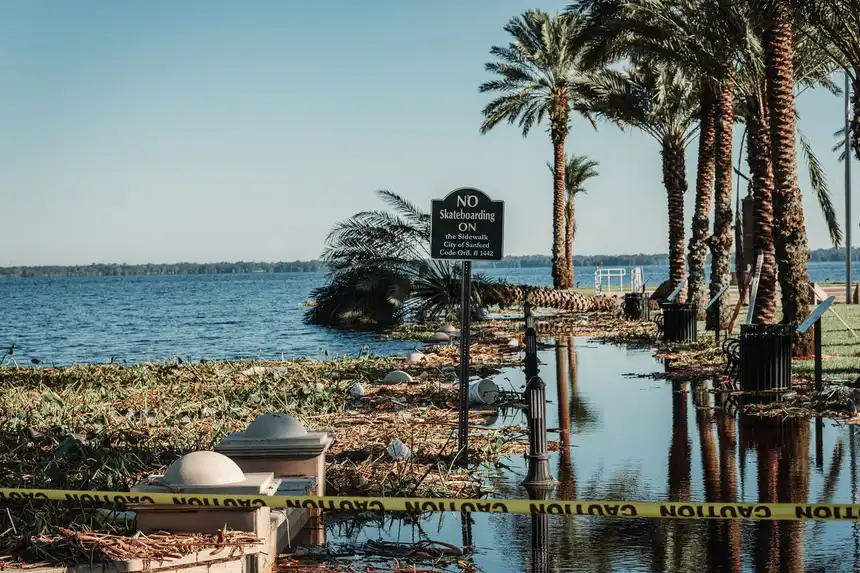
Test your sump pump every month by pouring a bucket of water into the pit. Replace the backup battery every two to three years.
Frozen Pipe in a Downtown Rental
Before: A pipe in an exterior wall froze and split during a January cold snap. When it thawed, water ran into a hallway and two bedrooms, soaking about 350 square feet of original oak. The property manager needed the unit back in service fast.
After: We extracted, dried the floor and subfloor over five days, and replaced four buckled boards with matching stock. The hallway and bedrooms were refinished and the tenant moved back in eight days after the loss. Documentation went straight to the insurance carrier.
Keep cabinet doors open under sinks on exterior walls during hard freezes and let faucets drip overnight. It costs pennies and prevents splits.
Problems We Solve Before They Get Worse
Water damage on hardwood is rarely just about the water you can see. These are the problems we run into most in Wilmington, and what happens when they are ignored.
Cupped boardsCupped and crowned boards after a slow leakWood swells on the wet side and shrinks on the dry side, creating ridges and dips. Left alone, the boards crack along the seams and the floor never sits flat again. We dry the wood slowly to a stable moisture content, then sand the cupped edges flat. If the cupping is severe, we replace the worst boards and blend the repair into the existing finish. Most floors come back flat without full replacement.
Hidden moistureHidden moisture under the floor feeding moldMold can colonize a wet subfloor within 48 hours. By the time you smell it, the growth is often under the boards where you cannot see it, and it keeps spreading until the cavity is dry. We use a boroscope camera and thermal imaging to check the subfloor cavity, then dry it with air movers and dehumidifiers. If mold is already present, we remediate the affected area before refinishing.
Buckled flooringBuckled floor from a burst pipe or appliance leakA burst supply line can dump 50 gallons in minutes. The wood absorbs it, swells, and lifts off the subfloor. Once boards buckle, they cannot be flattened by sanding alone. We extract the standing water first, then dry the assembly. Buckled boards get replaced with matching stock, and we refinish the section so it matches the rest of the room. You keep most of your original floor.
Sewage contaminationSewage backup contaminating the flooringSewage is category 3 water, which means contaminated. Hardwood exposed to it is usually not salvageable, and leaving it in place risks ongoing health issues for anyone in the home. We remove the contaminated flooring, sanitize the subfloor, and dry the structure. Then we help you plan the replacement so the new floor goes down on a clean, dry surface.
Why Save the Floor Instead of Replacing It
A dry, flat floor you can walk on without replacing it.
Keep Original Wood
Old-growth oak and heart pine in Wilmington row homes cannot be bought at a box store. When we dry and refinish instead of tearing out, you keep the grain, the patina, and the resale value. We have saved floors in homes over a century old by pulling moisture slowly and re-nailing boards that lifted.
Stop Mold Before It Starts
Mold needs 24 to 48 hours of damp conditions to colonize. Our drying setup drops wood moisture content below 12 percent, which shuts that window. We verify with a hygrometer and a boroscope camera under the floor so you are not guessing whether the cavity behind the baseboard is dry.
Lower Insurance Claim
Most homeowner policies cover sudden water damage but not gradual leaks. A fast, documented dry-down gives your adjuster clear evidence the loss was sudden. We photograph moisture readings at every visit, and that record often keeps the claim moving instead of stalled.
Faster Back to Normal
Full floor replacement means moving furniture, tearing out subfloor, and living with a construction zone for weeks. Our drying phase typically runs three to five days, then refinishing adds two more. You are back on your floors in about a week instead of a month.
What a written scope covers.
What a written scope covers and what shapes it. Prices are set by the business after the first look.
A supply line under my kitchen sink let go while we were at work. Wilmington AquaRestore had extraction gear running within three hours of my call. They dried the oak for four days, showed me the moisture readings each visit, and sanded out the cupping. You cannot tell where the water was. Saved me from replacing a floor I could not afford to replace.
Our water heater failed on a Sunday and flooded the hallway and two rooms. They pulled the water, set up Dri-Eaz air movers, and checked the subfloor with a camera. The wood was dry in five days and they refinished the hallway to match. Straight pricing, no surprises, and they explained every step.
We had a frozen pipe burst in a rental unit in January. Their crew handled the extraction and drying and gave us the documentation our insurance carrier wanted. The hardwood was saved and the tenant was back in the unit in a week. I have used them twice since on other properties.
Frequently Asked Questions
A single-room extraction and dry-down with no board replacement usually lands near the low end. Whole-floor flooding with buckled boards and refinishing pushes toward the high end. We give you a written price after the inspection, before any work starts.
Yes, in most cases. If the water was clean and you caught it within 24 to 48 hours, we can usually dry and refinish the floor without replacing boards. Cupping often sands flat once moisture drops below 12 percent. Floors that sat wet for a week or more, or that took sewage backup, are more likely to need partial replacement. We tell you which category you are in after the moisture inspection.
Extraction and drying typically take three to five days, with daily monitoring visits. Refinishing adds two to three more days once the wood is dry. A small area with minimal cupping can wrap in under a week. A whole first floor with board replacement and a full sand-and-refinish can run two to three weeks. We give you a realistic timeline on day one.
Sudden, accidental water damage is usually covered under standard homeowner policies, including burst pipe, appliance leak, and water heater failure. Gradual leaks and flooding from outside the home typically are not. We document moisture readings, photos, and the cause so your adjuster has what they need. We work with most major carriers and can bill directly in many cases.
Call Now for Hardwood Floor Water Damage Restoration in Wilmington
Water sitting on hardwood gets more expensive every hour. Call Wilmington AquaRestore at (302) 775-0748 and we will tell you what to do right now, then get a crew to your door. We work with your insurance and document everything.
Call (302) 775-0748 any time, day or night. If you prefer email, send photos and details to info@wilmingtonaquarestore.com and we will follow up with next steps.