How heavy rain causes basement flooding in Riverfront Wilmington
Heavy rain basement flooding in Riverfront Wilmington DE happens when stormwater overwhelms aging drains, sump pumps, and foundation seals. Here is why, and what to do.
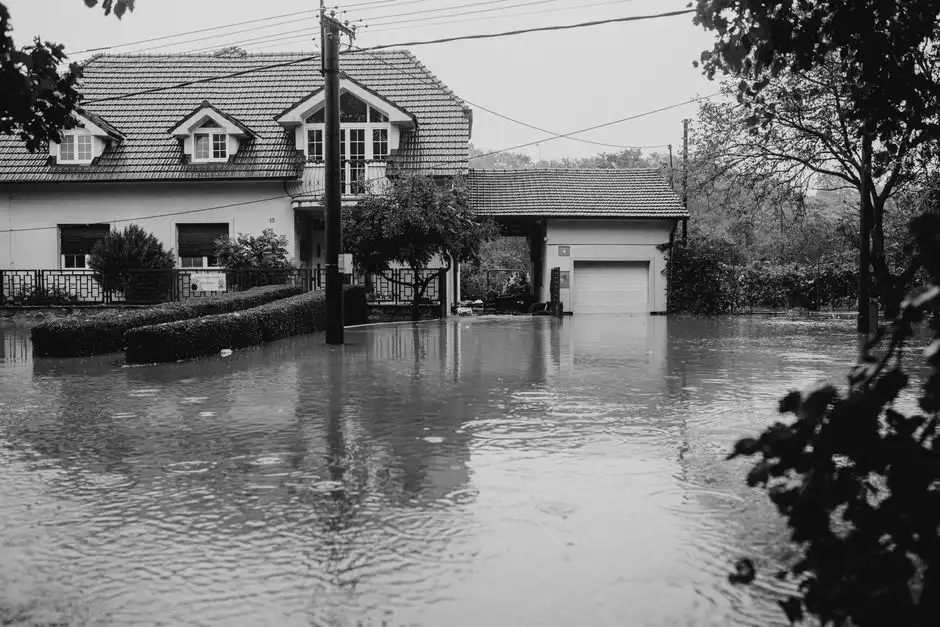
Heavy rain causes basement flooding in Riverfront Wilmington because the area's storm sewer system, built for a smaller city and older rainfall patterns, cannot handle the volume of water that falls during a 2-inch-per-hour downpour. When that water has nowhere to go, it backs up through floor drains, seeps through foundation walls, and overwhelms sump pumps - and your basement becomes the lowest point in the system. Heavy rain basement flooding Riverfront Wilmington DE is rarely a single failure; it is usually three or four small weaknesses giving way at once.
We have pumped out hundreds of basements in this neighborhood, and the pattern is consistent. Below, we explain exactly what happens underground during a storm, which Riverfront blocks flood first, and what you can do before the next system rolls through.
Why heavy rain floods Riverfront Wilmington basements
Heavy rain floods Riverfront Wilmington basements because the neighborhood sits on made ground - fill and old wharf structures - that drains poorly compared to the rest of the city. When 1.5 to 2 inches of rain falls in an hour, the ground is already saturated from the previous storm, so new water has nowhere to infiltrate. It runs along the surface, finds the path of least resistance, and ends up against your foundation.
There are four main entry points we see on almost every job:
- Hydrostatic pressure through the cove joint - the seam where the wall meets the floor. Water pushes up through that gap under pressure.
- Floor drains and laundry standpipes - these connect to the same municipal line as the storm sewer. When the main surcharges, water reverses and comes up through your drain.
- Sump pump failure - the pump either loses power, the float sticks, or the discharge line is still frozen or clogged from the last storm.
- Window wells and bulkhead doors - water pools in the well and leaks through the frame or under the door.
Most of the basements we dry out in Riverfront Wilmington are finished spaces - carpet, drywall, a home office or a gym. That makes the damage more expensive. Water wicks up drywall at roughly 1 inch per hour, so a 6-inch flood can ruin 2 feet of wall within a day.
The Riverfront geography that makes flooding worse
Riverfront Wilmington sits between the Christina River and the tidal Christina, and much of the neighborhood was built on fill placed over the last 150 years. That fill drains differently than the clay and gravel in other parts of Wilmington. It also sits lower than the surrounding streets, which is why the area around the Riverwalk and the 200 block of Justison Street floods first.
The tide matters more than people realize. When a heavy rainstorm coincides with a high tide on the Christina, the storm sewers cannot discharge by gravity - the river is already higher than the outfall pipes. Water backs up into the system and into basements. We see this most often in late summer and early fall, when tropical remnants bring 3 to 5 inches of rain in a single night.
Older buildings in the neighborhood - the converted warehouses and rowhouses from the early 1900s - often have original clay tile drain lines. Those lines crack, shift, and fill with roots. A cracked line lets groundwater into the basement even when the storm sewer is working. If your building is more than 60 years old, assume the perimeter drain is compromised until proven otherwise. A professional Water Damage Inspection Wilmington DE will tell you exactly where the water is coming from before you spend money on the wrong fix.
How do I prevent basement flooding from heavy rain in Wilmington Delaware?
You prevent basement flooding from heavy rain in Wilmington Delaware by managing water in three places: before it reaches the foundation, at the foundation, and inside the basement. No single fix handles every storm, but stacking these measures cuts your risk dramatically.
Before the water reaches your foundation
- Clean your gutters and extend downspouts at least 6 feet from the wall. A single clogged downspout dumps 50 gallons of water per minute right at the corner of your foundation.
- Regrade the soil so it slopes away from the house at 1 inch per foot for the first 6 feet. This is the cheapest fix and the one most homeowners skip.
- Clear the storm drain grate on your street before a big storm. In Riverfront Wilmington, leaves and trash block the grates on Justison and the side streets, which sends water into the nearest low basement.
At the foundation
If you have window wells, make sure the covers are intact and the gravel at the bottom is clean. For bulkhead doors, check the gasket and the drain at the bottom of the stairwell. A failed gasket lets water pour in during a wind-driven rain.
If your basement has a sump pump, test it before every storm season. Pour 5 gallons of water into the pit and watch how long it takes to discharge. If it runs more than 20 seconds or cycles on and off, the pump is undersized or the discharge line is partially blocked. A battery backup pump buys you 6 to 8 hours of protection during a power outage - which is exactly when you need it most.
Inside the basement
Keep finished flooring and stored items at least 6 inches off the floor on shelving or pallets. If you have a floor drain, a simple backwater valve - a one-way flap installed in the drain line - stops municipal sewage from reversing into your basement. That valve costs $150 to $400 installed and prevents the worst kind of flood damage.
For buildings with chronic seepage, a Foundation Water Intrusion Restoration Wilmington DE approach - interior drainage channel, new sump pit, and a vapor barrier - is the long-term fix. It is not cheap, but it is cheaper than replacing a finished basement twice.
What to do when heavy rain floods my basement in Riverfront Wilmington DE
When heavy rain floods your basement in Riverfront Wilmington DE, the first hour matters more than the next three days. Water spreads fast, and mold can begin growing on wet drywall within 24 to 48 hours. Here is the order we follow on every emergency call.
- Safety first. Do not wade into standing water if you can avoid it. There may be live electrical outlets, a running appliance, or sewage in the water. If you can reach the breaker panel without stepping in water, shut off power to the basement.
- Stop the source if you can. If the water is coming from a failed sump pump, unplug it and switch to a backup. If it is backing up through a floor drain, stop using water in the house - no showers, no laundry, no flushing.
- Document everything. Take photos and video of the water level, damaged items, and the source. Your insurance adjuster will ask for this, and it speeds up the claim.
- Call for help. A shop vac removes about 5 gallons at a time. A truck-mounted extractor removes 50 to 100 gallons per minute. For anything more than a puddle, you need the truck. Our team handles Emergency Water Removal Wilmington DE around the clock, including during the storm.
- Get air moving. Once the standing water is gone, open windows if the weather allows and run fans and a dehumidifier. The goal is to dry the space within 48 hours.
Do not wait to see if it dries on its own. It will not. Water trapped behind drywall and under carpet stays there for weeks, and that is where the mold and the structural rot start.
Common mistakes that make basement flooding worse
The most common mistake we see is homeowners treating a flooded basement as a cleanup job instead of a water damage job. The visible water is only part of the problem. Here is what not to do.
- Do not run a household fan or shop vac and call it done. Those tools move air and water, but they do not dry the structure. Drywall, framing, and concrete release moisture slowly. Without professional drying equipment, the moisture stays trapped.
- Do not pull up wet carpet and leave the pad. The pad holds water like a sponge. If you keep the carpet, the pad has to go, and the subfloor needs to be dried and treated.
- Do not assume the water is clean. Water that backs up through a floor drain is category 3 - black water - and carries bacteria. It requires disinfection, not just drying. Our Sewage Backup Cleanup Wilmington DE team handles those jobs with the right protective gear and antimicrobial treatment.
- Do not wait for the insurance adjuster before you start drying. Most policies require you to mitigate further damage. Waiting two days for an adjuster can turn a $3,000 claim into a $12,000 claim - and the insurer may deny the extra cost.
- Do not ignore the smell. A musty odor after a flood means mold is already growing. By the time you smell it, the colony is established. Call for Mold Remediation Wilmington DE before it spreads to the rest of the house.
When to call a professional
Call a professional when the water is more than a quarter-inch deep, when it came in through a drain or toilet, or when the flooded area is larger than a single room. Those three conditions almost always mean hidden moisture and a real risk of mold.
We also get called when a homeowner has dried the surface but the basement still smells damp two weeks later. That is a sign the moisture is trapped in the walls or under the floor. Our technicians use thermal imaging and pin-type meters to find it. We find the source, extract the water, dry the structure, and verify the moisture levels before we pack up. If you are not sure whether you need help, call us and describe what you see - we will tell you honestly whether it is a DIY job or a restoration job.
Wilmington AquaRestore is a local, state-licensed water damage restoration contractor. We work directly with most major insurance carriers and handle the paperwork so you do not have to. If you are searching for Basement Flood Cleanup Wilmington DE after a storm, we are the team that shows up with the truck, the meters, and the drying equipment.
Frequently Asked Questions
Why does heavy rain cause basement flooding in Riverfront Wilmington DE?
Heavy rain causes basement flooding in Riverfront Wilmington DE because the storm sewer system cannot handle the volume, and the neighborhood sits on low-lying fill near the Christina River. Water backs up through floor drains, seeps through foundation walls, and overwhelms sump pumps. High tide makes it worse by blocking the outfall pipes.
How do I prevent basement flooding from heavy rain in Wilmington Delaware?
Clean gutters, extend downspouts 6 feet from the foundation, regrade soil to slope away at 1 inch per foot, test your sump pump before storm season, and install a backwater valve on the floor drain. Those five steps cost under $500 total and prevent most rain-driven floods.
What to do when heavy rain floods my basement in Riverfront Wilmington DE?
Shut off power to the basement if you can do it safely, stop using household water, take photos for your insurance claim, and call a water removal company within the first hour. Standing water and wet drywall grow mold in 24 to 48 hours, so speed matters more than anything else.
How much does basement flood cleanup cost in Wilmington DE?
Typical 2026 pricing in this area runs $1,200 to $3,500 for a standard basement flood cleanup, depending on square footage and water category. Sewage backups and finished basements cost more - $3,000 to $8,000 - because they require removal of contaminated materials and reconstruction.
Will my insurance cover heavy rain basement flooding?
Most homeowners policies cover sudden and accidental water damage from rain, including sump pump failure in many cases. Flood insurance through the NFIP is separate and covers surface flooding. We document the damage thoroughly and work directly with your adjuster to support the claim.
Get help with Water Damage Restoration in Wilmington
If heavy rain has flooded your basement in Riverfront Wilmington, call us now. We are local, we answer the phone 24/7, and we can be at your door within the hour with extraction and drying equipment.
Call Wilmington AquaRestore at (302) 775-0748. We will stop the water, dry your basement, and give you a clear written scope before any work begins.