For Homes
We handle ceiling leaks in rowhomes, twins, and single-family houses across Wilmington. You get a clear scope and daily updates while we dry.
- Pipe burst above kitchen
- Water heater leak below
- Storm leak through roof
When water stains spread across your ceiling, Wilmington AquaRestore delivers Ceiling Water Damage Restoration in Wilmington that stops the leak, dries the structure, and restores the finish. Call (302) 775-0748 and we will be on-site the same day.
 Moisture mappingThermal scanSame-day drying
Every ceiling water damage job is different, but most include the same core steps. We explain what is covered in your written scope and what may be an add-on, like mold remediation or plumbing repair, before we start. You will never get a surprise line item after the work is done.

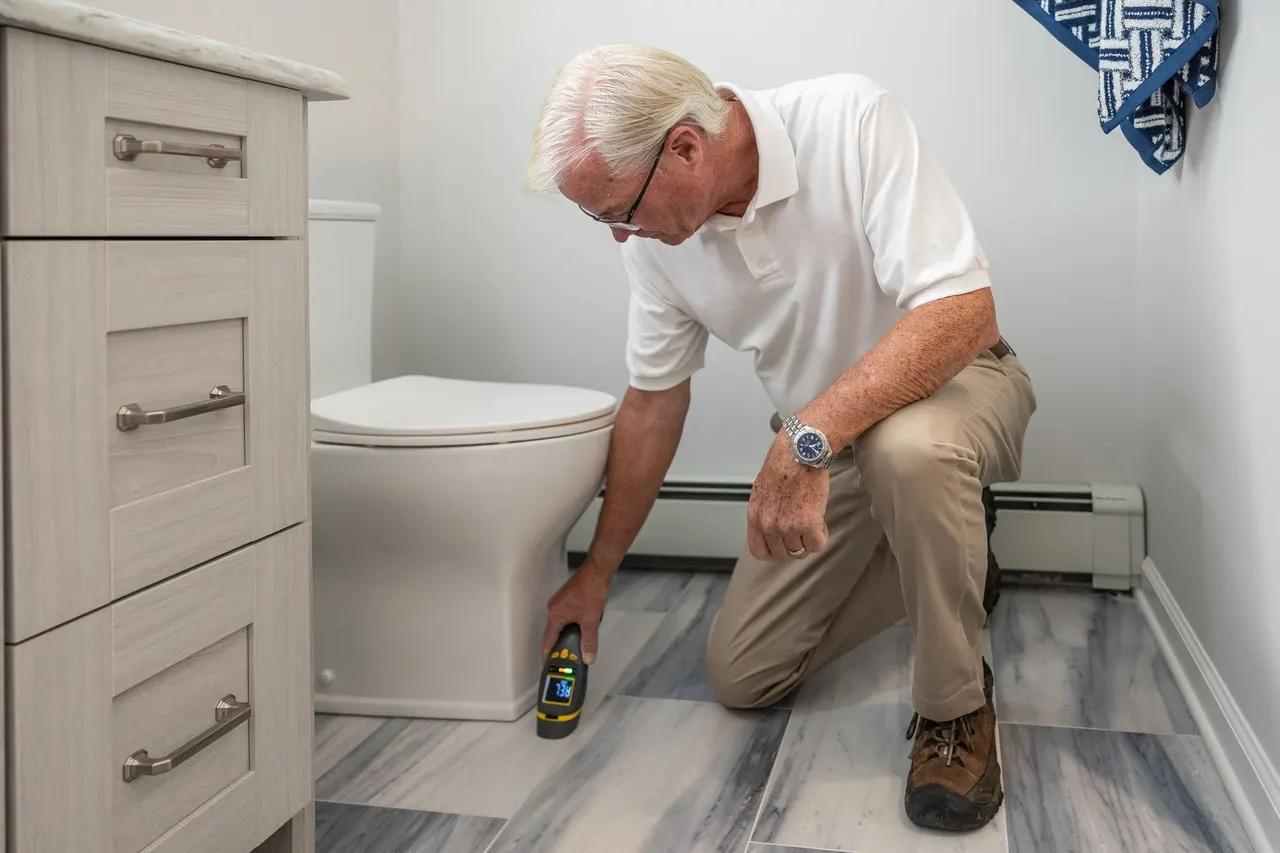
We use a moisture meter, thermal imaging camera, and boroscope camera to trace water above the ceiling. You get a clear map of what is wet and what is not before any demolition begins.
Standing water comes out with a water extraction unit and wet/dry vacuum. We set Dri-Eaz air movers and Phoenix dehumidifiers and monitor moisture daily until the ceiling cavity hits dry standard.
Saturated drywall and insulation come out. We cut clean lines, bag the debris, and protect your floors and furniture so the rest of the room stays livable during drying.
We apply an EPA-registered antimicrobial to framing and ceiling cavities after extraction. This limits mold growth while the structure dries, which matters in Wilmington's humid summers.
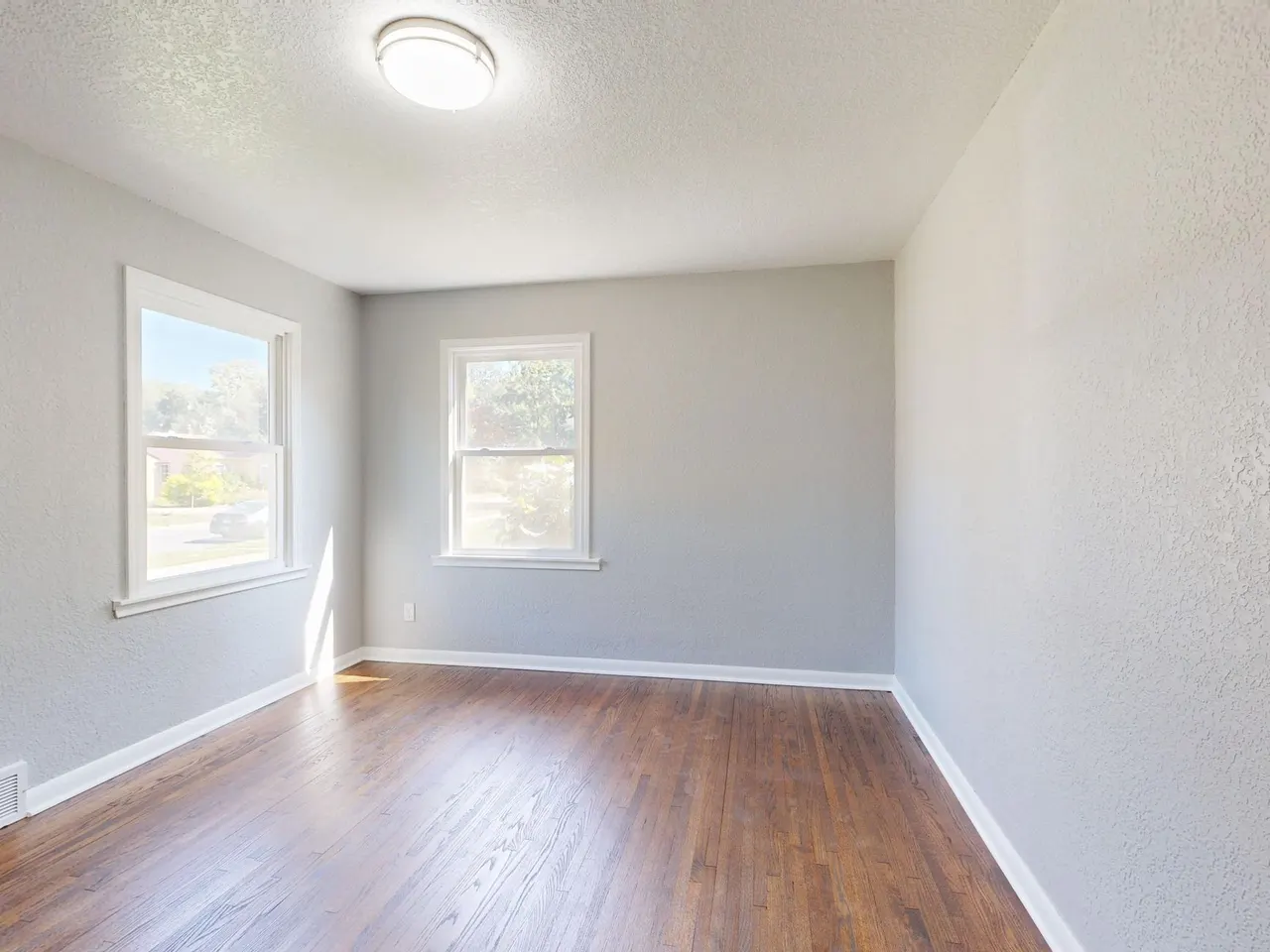
Once dry, we replace drywall, tape, texture, and paint to match the existing ceiling. We blend the repair so you do not see a patch when the job is finished.
You receive photos, moisture readings, and a written scope formatted for adjusters. We bill carriers directly and explain your deductible before work begins.
The approach is the same for a home and a business. What changes is the access, the schedule and who needs the paperwork.
We handle ceiling leaks in rowhomes, twins, and single-family houses across Wilmington. You get a clear scope and daily updates while we dry.
We work after hours in offices, restaurants, and retail spaces to keep you open. Drying equipment is placed to avoid disrupting customers.
A plain-language look at what Ceiling Water Damage Restoration involves and when it is needed.
See how it worksCeiling Water Damage Restoration in Wilmington is the process of finding the water source above your ceiling, extracting standing moisture, drying the drywall and framing, and rebuilding the surface so it looks and performs like new. Water travels along joists and pools in low spots, so a small stain often means a much larger wet area hidden behind the paint. Our technicians use moisture meters and thermal imaging cameras to map exactly how far the damage reaches before we cut anything.
Wilmington's older rowhomes, brick construction, and aging PEX and copper supply lines create predictable ceiling water problems. A burst pipe in a second-floor bathroom, a water heater leak in the basement, or a roof leak after heavy rain can soak ceiling drywall within hours.
Find the source, dry the cavity, rebuild the ceiling.
Every ceiling water damage job follows the same five steps. You will know what is happening, how long it takes, and what it costs before we start.
You call (302) 775-0748 and describe what you see: a stain, a drip, a bulge, or a full collapse. We ask about the source if you know it and dispatch a crew immediately. Most Wilmington addresses see a technician within 60 to 90 minutes, including nights and weekends.

We use a moisture meter, thermal imaging camera, and boroscope camera to trace water above the ceiling. We check the attic, the floor above, and the plumbing wall. You get a clear explanation of what is wet, what is not, and what has to come out. This takes 30 to 45 minutes.
Standing water comes out with a water extraction unit and wet/dry vacuum. We remove saturated insulation and drywall as needed, then set Dri-Eaz air movers and Phoenix dehumidifiers. Drying typically runs three to five days with daily moisture checks.
Once the ceiling cavity hits dry standard, we replace drywall, tape, and texture. We match the existing finish and paint the repaired area.
We walk the room with you, show final moisture readings, and confirm the ceiling is dry and solid. You get a completion report with photos and drying logs for your records or insurance file. If anything looks off in the first 30 days, we come back at no charge.

Move across a circle, or focus it and press Enter, for an illustrative thermal view of the photograph.
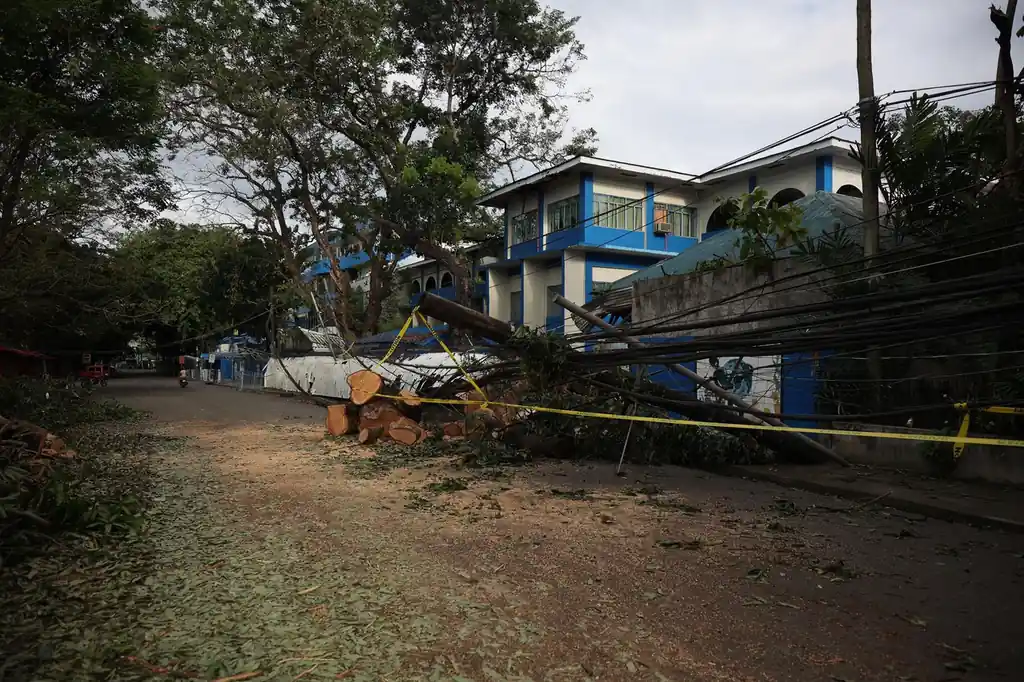
Reveals temperature differences behind drywall to find hidden moisture above ceilings without tearing everything out.

Measures moisture content in drywall, framing, and air so we know exactly when the ceiling cavity hits dry standard.

Lets us see inside ceiling cavities and wall voids to confirm mold growth or hidden leaks before demolition.
Move air across wet surfaces and pull moisture from the air to dry ceiling assemblies in three to five days.
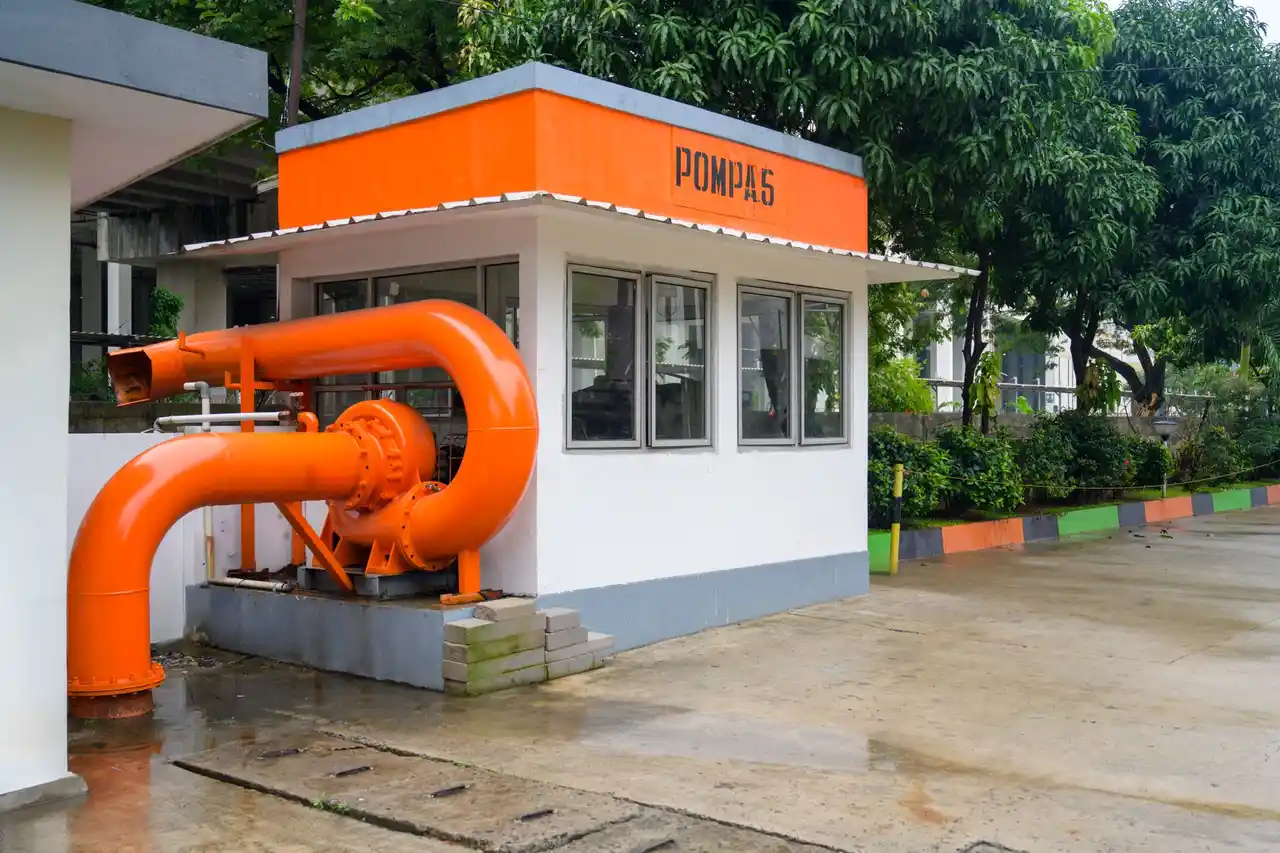
Removes standing water fast before it reaches insulation, framing, or the floor below.
Thermal views are illustrative, generated from the photographs.
Used for controlled demolition, drywall cutting, and rebuild work with clean, precise lines.
We follow the S500 standard for water damage restoration, which sets drying goals based on temperature, humidity, and material type. This is how we know when the ceiling is truly dry, not just dry to the touch.
Before any demolition, we map the full extent of moisture with a thermal camera and moisture meter. This prevents unnecessary removal and ensures we do not miss hidden wet areas.
We contain the work area with plastic sheeting and apply EPA-registered antimicrobial to framing and ceiling cavities. This limits mold growth and keeps dust out of the rest of your home.
Every job gets photos, moisture readings, and a written scope formatted for adjusters. This speeds up claim approval and reduces out-of-pocket costs for Wilmington homeowners.

A pipe bursts in an upstairs bathroom and water pours through the kitchen ceiling.
We shut off the water, extract standing moisture, and remove saturated drywall. We document everything for your insurance claim.
Outcome: The ceiling is dry in three to five days, the pipe is repaired, and the ceiling is rebuilt and painted to match. Most claims are approved without delays.
A water heater in the basement leaks and soaks the ceiling above it.
We extract water from both the basement floor and the ceiling cavity, set drying equipment, and check moisture daily with a hygrometer.
Outcome: The ceiling dries without mold, the new water heater is installed, and the drywall is repaired. You avoid a repeat leak and a much larger repair.
Heavy rain forces water through a flat roof and stains a commercial ceiling.
We respond after hours, tarp the roof if needed, extract water, and set commercial-grade drying equipment. We document the loss for your carrier and work around your business hours.
Outcome: Your business stays open, the ceiling is dry in four to five days, and the repair is completed without disrupting operations.
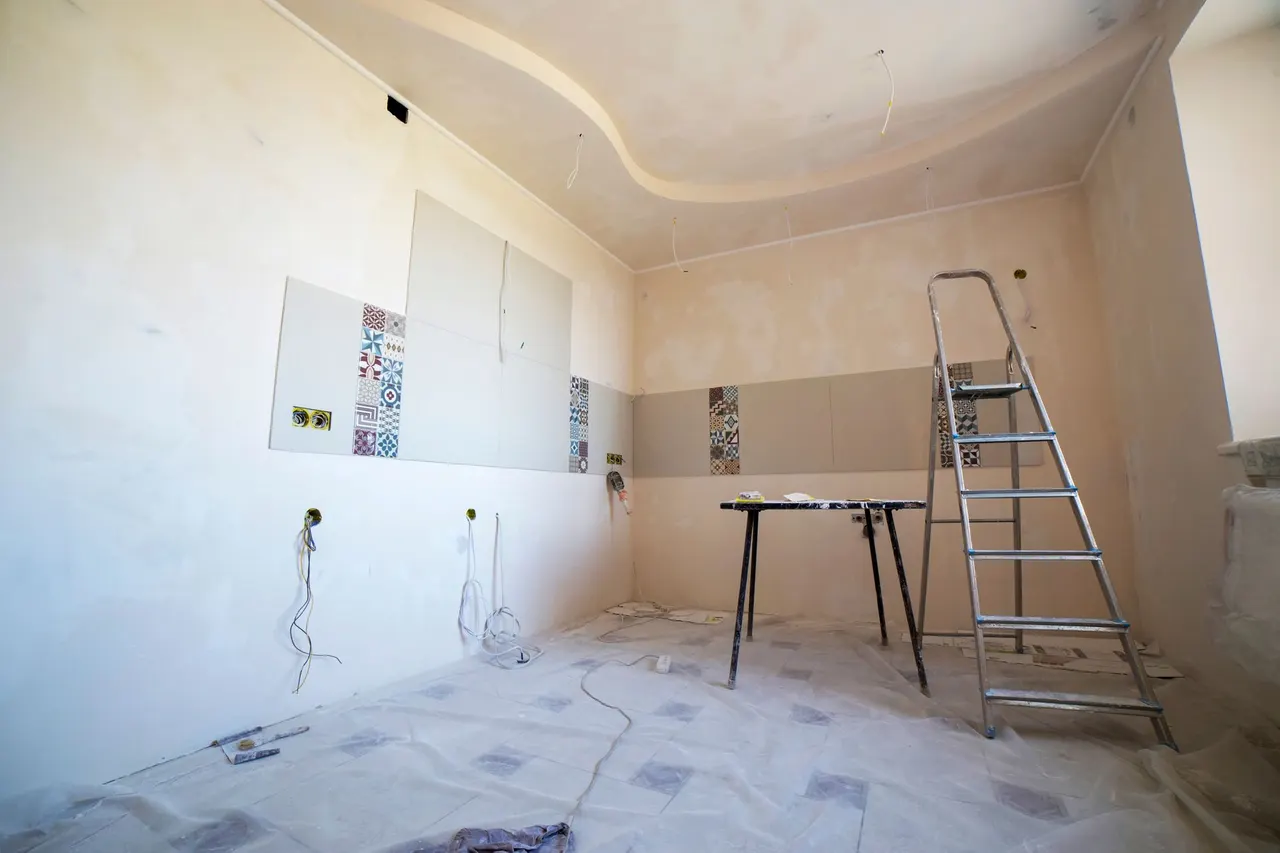
A toilet overflows on the second floor and water runs down through the ceiling below.
We extract the water, remove saturated drywall, and disinfect the area since toilet water is a category 3 loss. Antimicrobial treatment and drying follow before any rebuild.
Outcome: The ceiling is clean, dry, and rebuilt. You avoid sewage-related mold and the health risks that come with it.
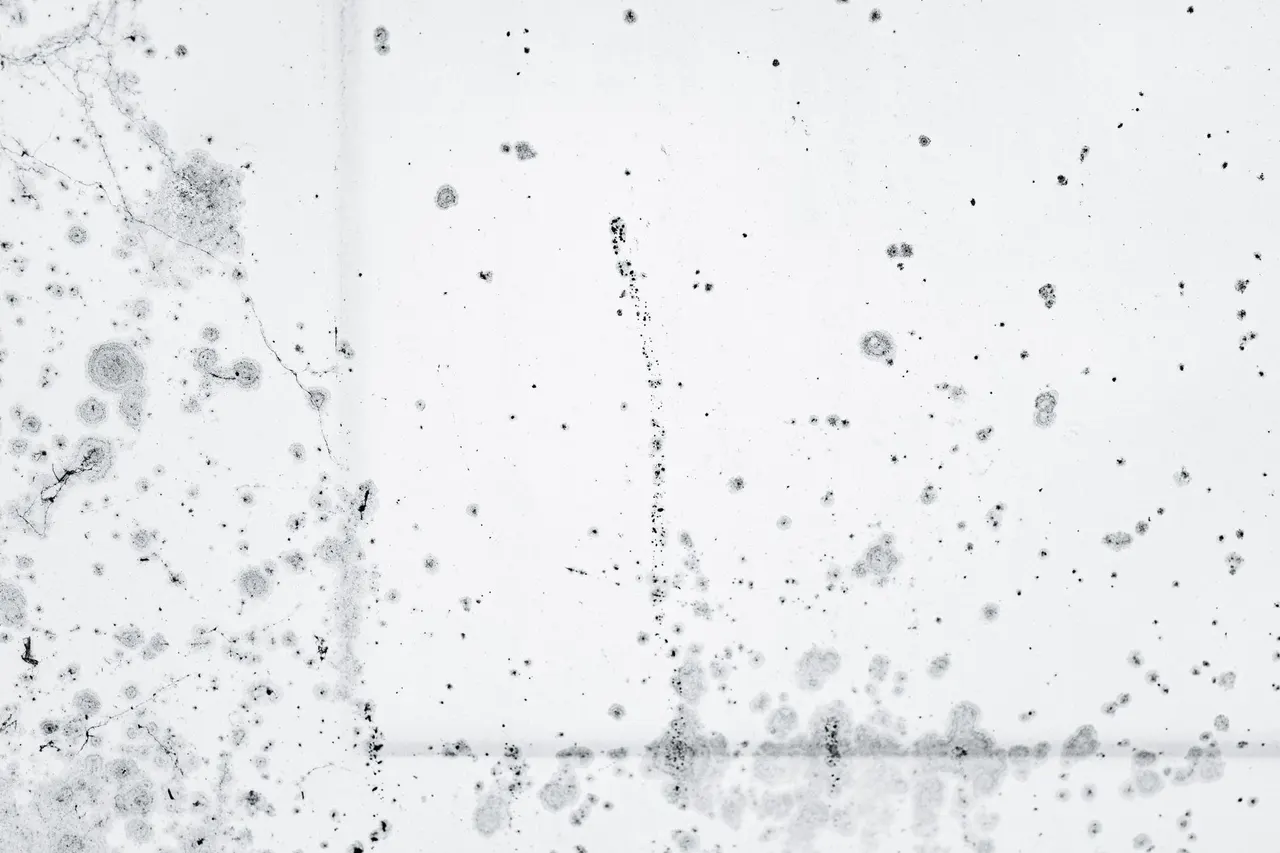
A frozen pipe thaws in January and leaks into a bedroom ceiling.
We check for additional frozen lines and coordinate with a plumber to repair the split pipe and insulate it against future freezes.
Outcome: The ceiling is restored, the pipe is repaired and insulated, and you have documentation for your insurance claim.
Wilmington's housing stock is a mix of historic rowhomes, twins, and mid-century buildings, and each one handles water differently. Older homes in The Highlands and Brandywine Village often have original plaster ceilings and galvanized or copper plumbing that fails with age. Newer construction near the Riverfront uses PEX piping, which can burst just as fast when it freezes.
Our crews know where the shutoffs are, how the ceilings are framed, and what it takes to dry them without causing more damage. We also handle ceiling leak water damage cleanup Wilmington DE calls after nor'easters and heavy rain, when flat roofs and aging flashing let water in. If you need 24 hour ceiling water damage restoration Wilmington Delaware, we are on call every night and weekend.
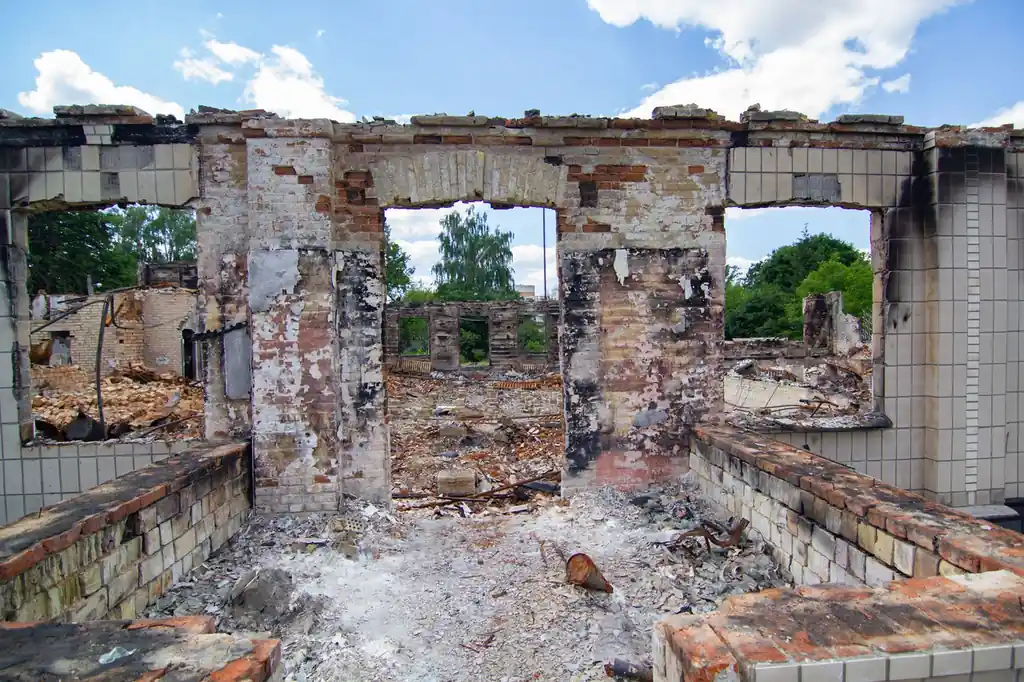
Before: A supply line burst above a second-floor bathroom and soaked the kitchen ceiling below. The drywall was sagging, paint was peeling, and water had reached the insulation. The homeowner called us at 6 a.m. after discovering the leak.
After: We extracted 15 gallons of standing water, removed saturated drywall and insulation, and dried the ceiling cavity in four days. The plumber repaired the pipe, and we rebuilt the ceiling with new drywall, texture, and paint. Moisture readings were normal at final walkthrough.
We recommended insulating the pipe and keeping cabinet doors open during hard freezes. The homeowner now checks the shutoff valve each fall before winter.
Before: A 12-year-old water heater failed overnight and sent 40 gallons across the basement floor and through the ceiling above. The ceiling showed a large brown stain and was soft to the touch. The property manager needed documentation for the insurance claim.
After: We extracted the water, removed the wet ceiling drywall, and dried the structure in three days. The plumber installed a new water heater, and we replaced the drywall and painted the ceiling. The claim was approved with our documentation.
We suggested flushing the new water heater annually and installing a drip pan with a drain line. The property manager added a moisture alarm near the unit.
Before: After a nor'easter dropped two inches of rain in three hours, water came through the ceiling in two bedrooms. The roof flashing had failed, and the ceiling drywall was wet across a 10-foot span. The homeowner was worried about mold.
After: We tarped the roof, extracted water, and set drying equipment. The ceiling cavity hit dry standard in five days. A roofer repaired the flashing, and we replaced the drywall, texture, and paint. No mold was found at final inspection.
We recommended a roof inspection each spring and fall. The homeowner now clears gutters before storm season to reduce the risk of repeat leaks.
Ceiling water damage rarely fixes itself. These are the problems Wilmington homeowners call us about most often, and how we handle each one.
A dry, solid ceiling that looks like new.
Our crew extracts standing water, sets air movers and dehumidifiers, and stabilizes the ceiling before the damage spreads to insulation or framing. You get a written scope and photo documentation the same day.
Most ceiling water damage claims need moisture readings, photos, and a detailed scope of work. We provide all three in a format adjusters accept, which speeds up approval and reduces out-of-pocket costs. We have worked hundreds of Delaware claims and know what carriers ask for.
Our team holds IICRC WRT and ASD credentials and follows the S500 drying standard on every job. We track temperature, humidity, and grain depression with hygrometers until the ceiling cavity hits dry standard, usually in three to five days. No guesswork, no premature rebuilds.
We do not just cut out the wet drywall and leave you with a hole. We replace drywall, tape, texture, and paint to match the existing ceiling.
What a written scope covers and what shapes it. Prices are set by the business after the first look.
Included
Depends on
Clear records you can keep and share.
Before, during, and after photos.
Daily moisture readings and equipment notes.
Written work summary for your records.
Final readings and rebuild confirmation.
Not all ceiling water is the same. The category determines how we dry and what we remove.
Clean water from a supply line or rain.
Gray water with some contamination.
Black water with harmful contaminants.
A list like this tells people straight away whether you cover their street. Not listed? Call and ask: it only takes a minute.
Based in Wilmington and covering the places around it. Pick one for local details.
We provide a written price before work starts.
The most common causes we find in Wilmington are burst or frozen PEX and copper pipes, water heater leaks, toilet overflow, and roof leaks after heavy rain. Water follows joists and shows up away from the actual source. We use a thermal imaging camera and moisture meter to trace it back before we open the ceiling.
Drying usually takes three to five days with air movers and dehumidifiers running. The rebuild, including drywall, texture, and paint, adds two to four days. A straightforward ceiling water damage repair can be finished in under a week. Larger jobs with mold remediation or plumbing repairs take longer.
Most homeowners policies cover sudden ceiling water damage from a burst pipe, appliance leak, or storm, but not long-term seepage or maintenance neglect. We document moisture readings, photos, and a scope of work that adjusters accept. We bill carriers directly and walk you through your deductible before work begins.
Other services from the same team.
Water spreads fast. We arrive with extraction and drying equipment, document everything for your insurance claim, and rebuild your ceiling to match. Same-day service across New Castle County.
Call (302) 775-0748 any time, day or night. If you prefer email, send photos and details to info@wilmingtonaquarestore.com and we will follow up with next steps.